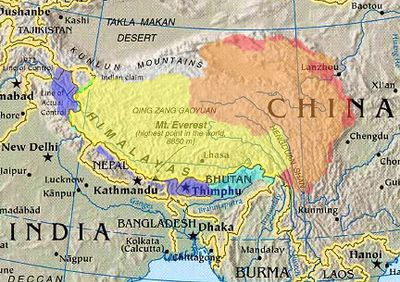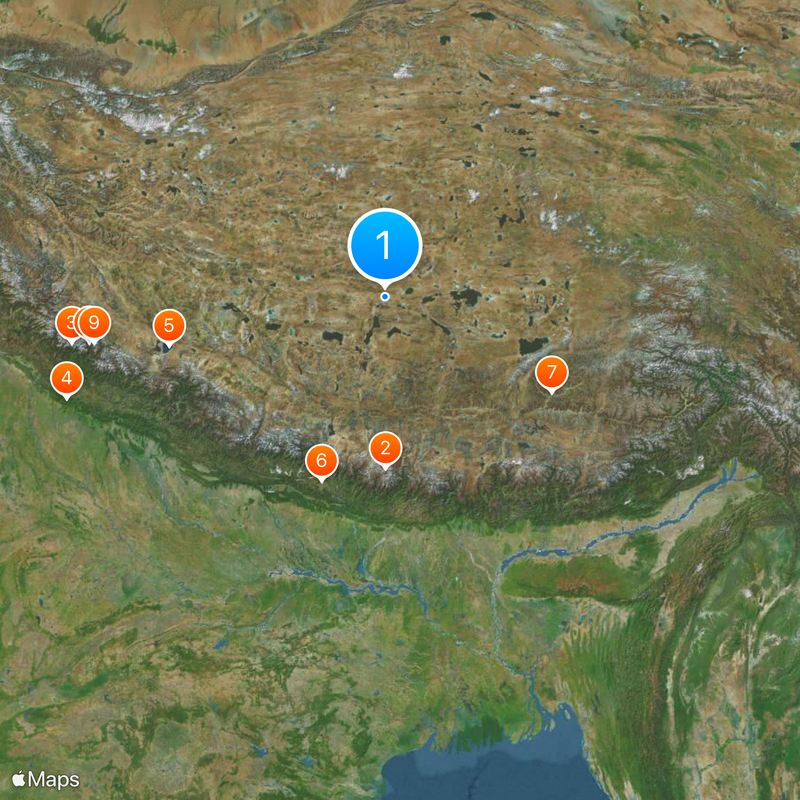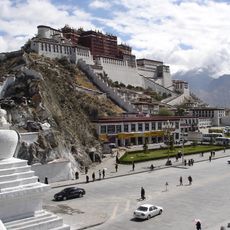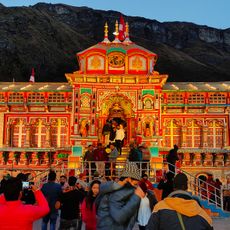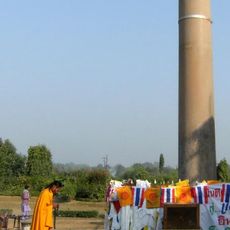
Tibet Autonomous Region, Administrative region in southwestern China.
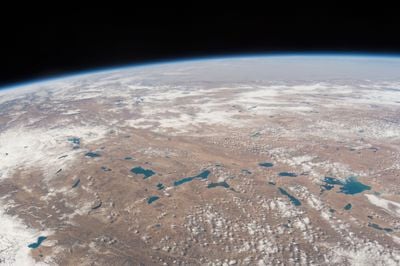
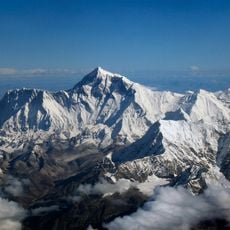
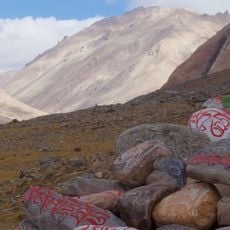
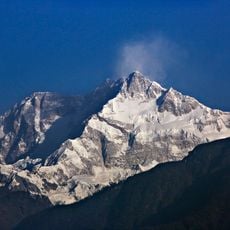
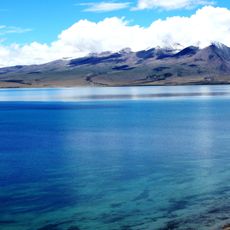
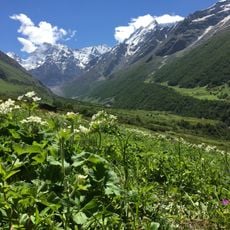
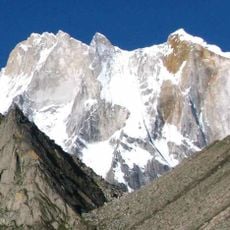
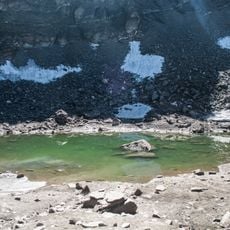
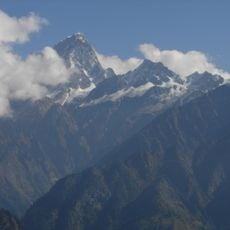
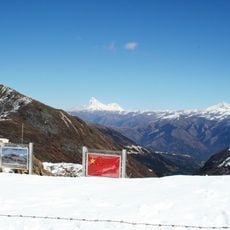
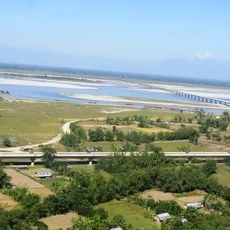
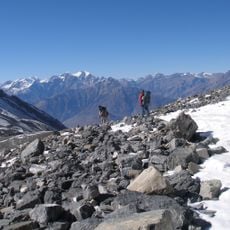
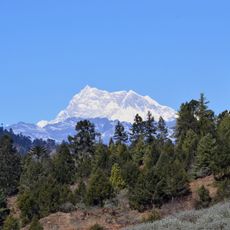
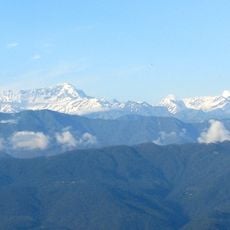
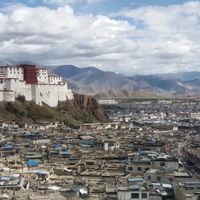
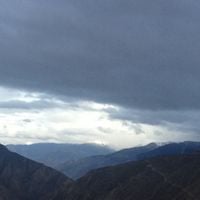
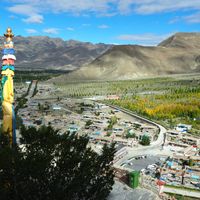
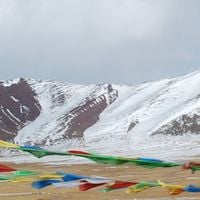
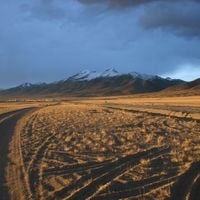
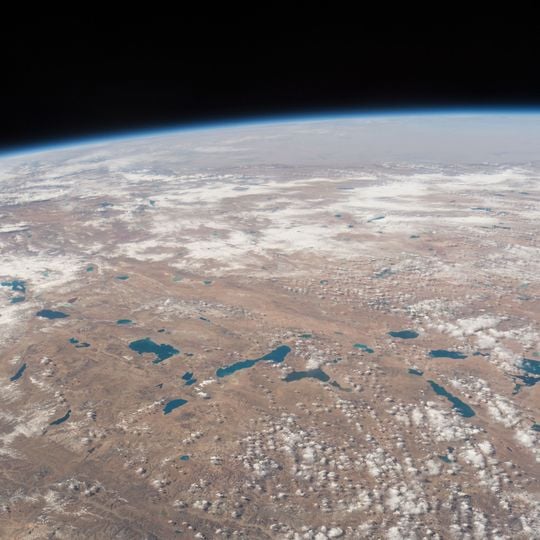
The Tibet Autonomous Region stretches across a vast highland area in southwestern China, mostly above 4000 meters, defined by mountain ranges, wide plateaus and deep valleys. The landscape shifts between barren plains, snow-covered peaks and lakes that reflect light in shades of deep blue and green.
The area was an independent Buddhist kingdom for centuries before the Chinese People's Liberation Army entered in 1950. Formal incorporation as an autonomous region occurred in 1965 within the administrative structure of the People's Republic.
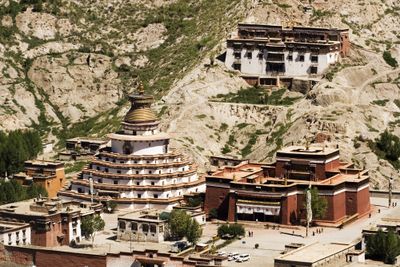
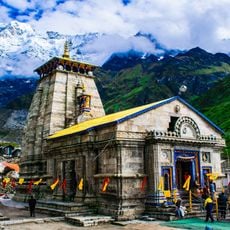
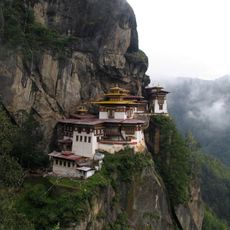
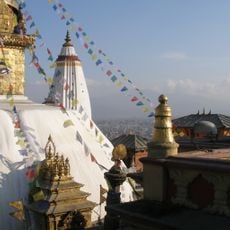
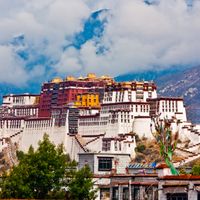
The Tibetan language is present throughout the region, with signs, conversations and public announcements often switching between Tibetan and Mandarin. Buddhist monasteries are not historical relics but active places where monks pray, study and receive pilgrims from near and far every day.
The high altitude requires acclimatization, and many visitors feel headaches or shortness of breath within the first few days. Foreign travelers need a special permit issued only through registered travel agencies, which controls access to certain locations.
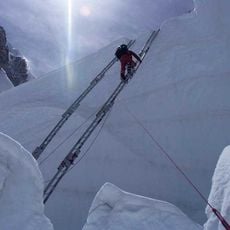
Eight peaks above 8000 meters lie within this area, including Mount Everest on the southern border. Several major rivers of Asia, supplying water to millions of people, originate on these high plateaus and flow in all directions.
The community of curious travelers
AroundUs brings together thousands of curated places, local tips, and hidden gems, enriched daily by 90,818 contributors worldwide.