Yuchanyan, Archaeological site in Dao County, China.
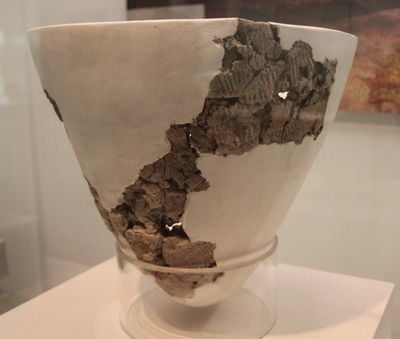
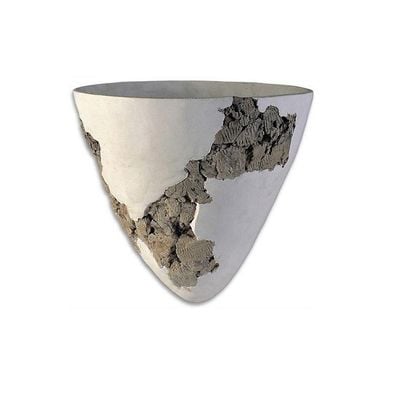
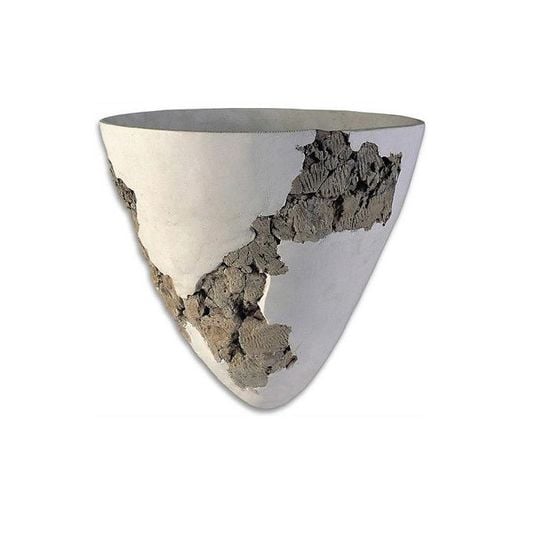
Yuchanyan is a limestone cave whose entrance, facing southeast, sits about 5 metres above the ground outside. Inside, excavations uncovered four rice grains, the oldest known cultivated rice specimens, and pottery fragments dated up to 18,000 years old. The deep, round-bottomed ceramic vessels found there have pale grey surfaces with thick, rough earthen patches where the outer layer broke away.
Yuchanyan was discovered in 1980 and excavated in 1993 and 1995, with a third and fourth campaign in 2004–2005. Charcoal and bone collagen from the deposits gave dates from about 21,000 to 13,800 BCE, and the pottery fragments were dated to between 18,300 and 15,430 BCE. In 2001 the site was listed in the fifth batch of Major Historical and Cultural Sites Protected at the National Level.
Locals call the cave "Toad Cave" (Hama Dong) because of its shape. Excavations in 1993 and 1995 uncovered four rice grains, the oldest known cultivated rice specimens in the world, along with pottery sherds dated up to 18,000 years old. The cave also held stone tools and bones of deer, birds, fish, turtles and shellfish, showing a hunting and gathering economy.
Yuchanyan lies at Baishizhai, Shouyan Town, Dao County, in a limestone cave whose mouth faces southeast about 5 metres above the ground outside. The site is a protected national monument, so access to the cave interior is arranged locally rather than freely; confirm opening arrangements in Shouyan before travelling.
The cave's pottery fragments, dated by radiocarbon to about 12,320 and 14,810 years ago, are among the oldest known in China. The deep, round-bottomed vessel shown here has a thick earthen crust over pale ceramic, the surface that yielded those early dates.
The community of curious travelers
AroundUs brings together thousands of curated places, local tips, and hidden gems, enriched daily by 92,766 contributors worldwide.