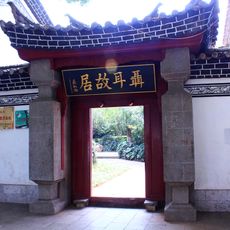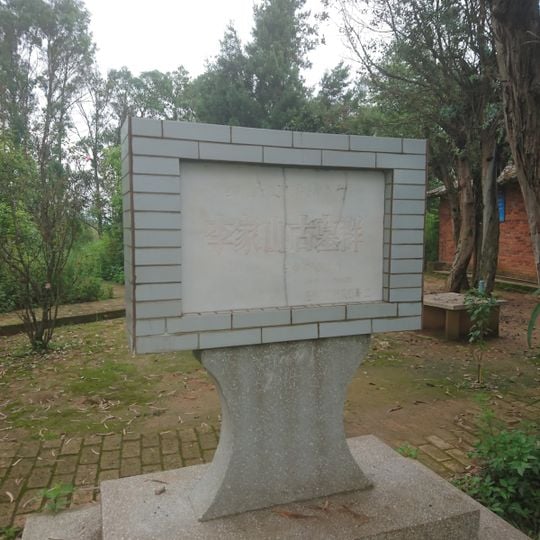
Lijiashan archaeological site, Archaeological complex in Jiangchuan District, China.
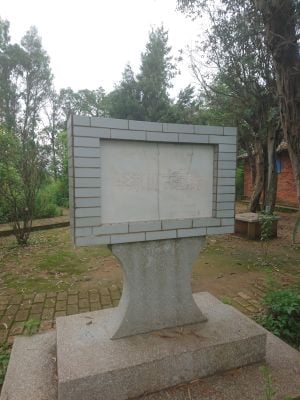
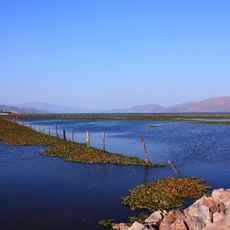
Lijiashan is a roughly 100-metre hill by Xingyun Lake in Jiangchuan, Yunnan, where a cemetery of vertical pit graves from the Spring and Autumn period to the Western Han was found. Large tombs had wooden coffins; burials were mostly single, supine with limbs straight. Excavations in 1972 and 1991 uncovered 85 tombs and over 3,300 grave goods, including the bronze ox-and-tiger table from Tomb 24.
The cemetery was discovered in 1966 on a hill by the Xingyun Lake. Excavations in 1972 uncovered 27 tombs dated to the Spring and Autumn and Warring States periods, yielding over 1,300 objects including the bronze ox-and-tiger table from tomb 24. A second campaign in 1991 cleared 58 tombs with 2,066 finds, and the site was named a National Key Cultural Relic Protection Unit in 2001.
Bronze items, pottery, and jade objects discovered in the tombs show the craftsmanship and artistic skills of the people who lived in this region. These finds reveal the techniques and creative traditions that developed here over time.
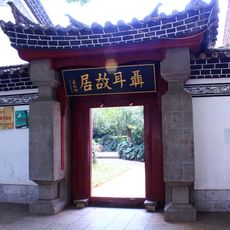
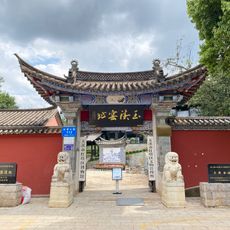
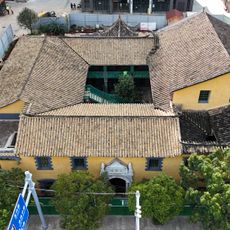
The tombs lie on Lijiashan, a roughly hundred-metre hill by the northwest corner of Xingyun Lake in Wenquan village, Jiangcheng town, about 110 km south of Kunming. The Lijiashan Bronze Ware Museum, opened in 1993 and the first bronze museum in China, displays finds from the graves. The original Niu hu tong an ox-and-tiger table is kept in the Yunnan Provincial Museum in Kunming.
The bronze ox-tiger case from Tomb 24, the largest pit, is now the Yunnan Provincial Museum's signature piece. The site lies on a roughly 100-metre hill by Xingyun Lake, about 40 km from Shizhaishan, and its finds alongside those of Shizhaishan underpin study of the Dian people.
The community of curious travelers
AroundUs brings together thousands of curated places, local tips, and hidden gems, enriched daily by 94,020 contributors worldwide.