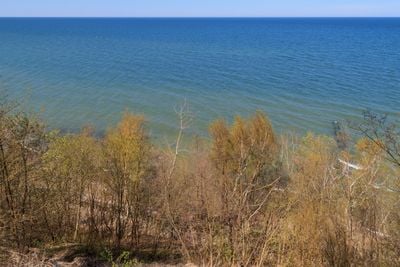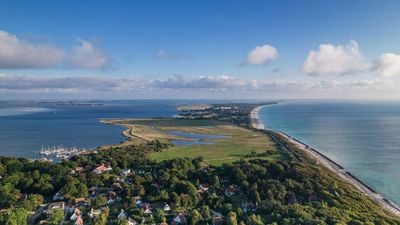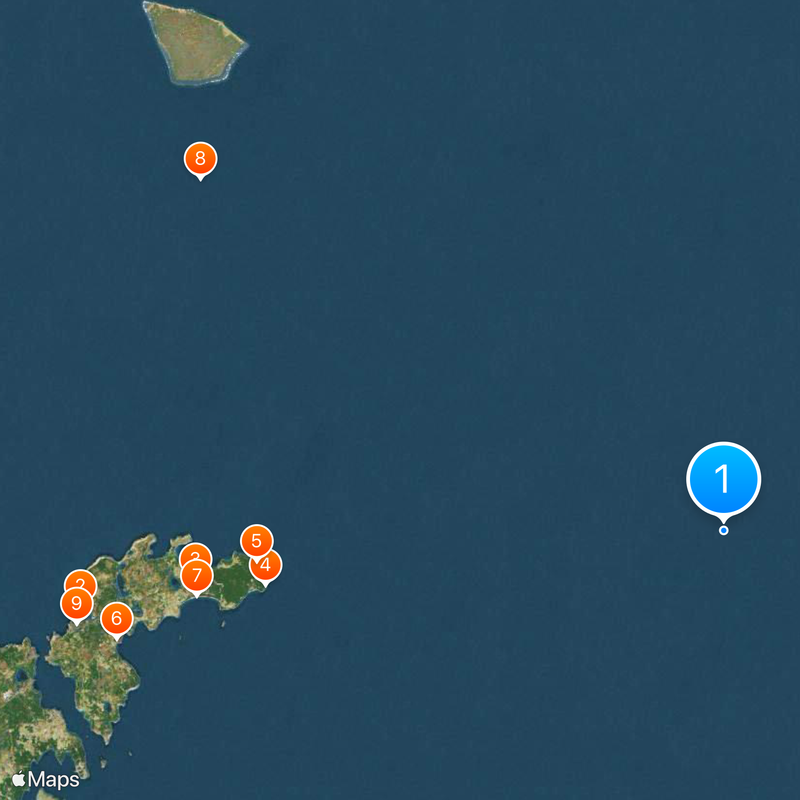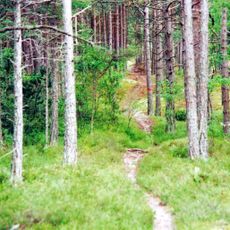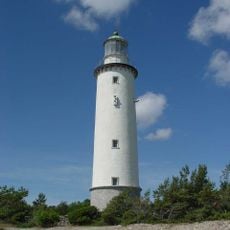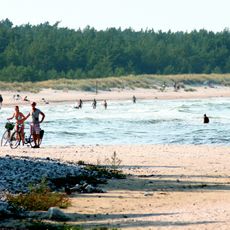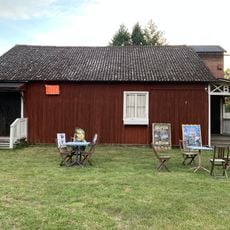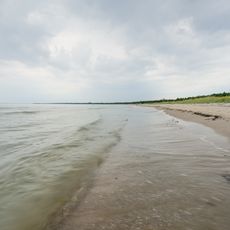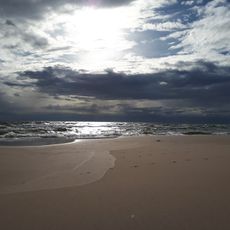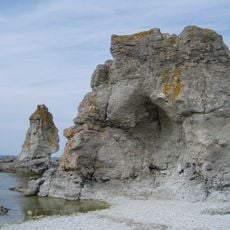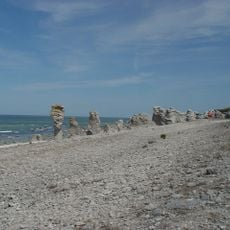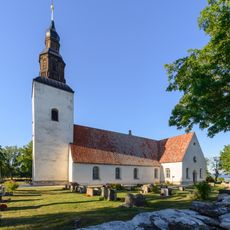
Baltic Sea, Inland sea between Denmark, Estonia, Finland, Germany, Latvia, Lithuania, Poland, Russia, and Sweden, Northern Europe.
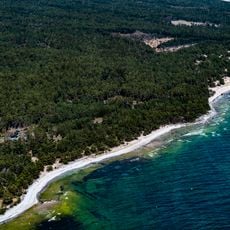
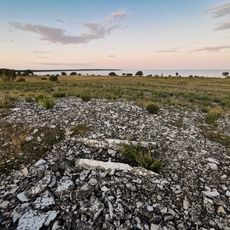
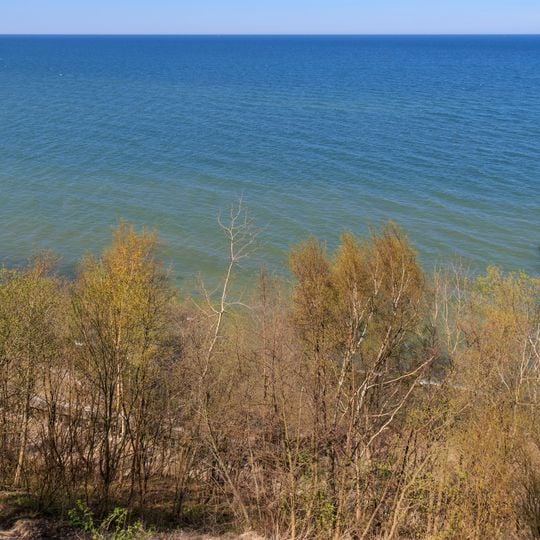
The Baltic Sea is a marginal body of water between Scandinavia, the Baltic states, Poland, Germany, Denmark, and Russia covering roughly 385000 square kilometers (149000 square miles). It includes three large gulfs to the east and north along with numerous smaller islands and coastal sections framed by different landscapes.
Merchants from many cities along the coast joined forces during the Middle Ages and formed a network that shaped sea trade for centuries. These connections brought wealth and enabled the exchange of goods, ideas, and techniques between distant regions.
Coastal communities around this sea still rely on fishing, shipping, and exchange across waterways that connect different nations. Everywhere you see harbors, shipyards, and jetties where fishers mend nets and ferries shuttle between countries.
Water here has low salt content and often freezes in shallow areas during winter, while tides remain barely noticeable. The coast is easiest to explore in summer when temperatures are milder and boat connections run regularly.
The floor beneath this sea consists of several deep basins separated by underwater ridges and owes its shape to ice age glaciers. This irregular structure still influences currents, temperature, and salt content in different zones today.
The community of curious travelers
AroundUs brings together thousands of curated places, local tips, and hidden gems, enriched daily by 92,456 contributors worldwide.