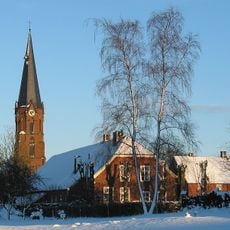
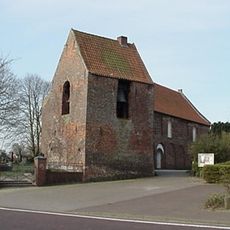
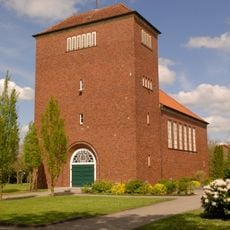
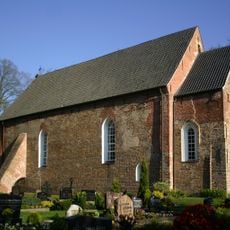
East Frisia, Coastal peninsula in Lower Saxony, Germany.
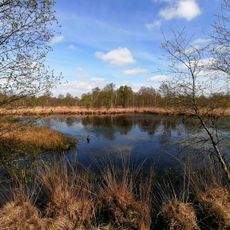
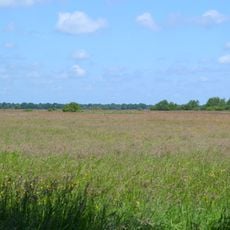
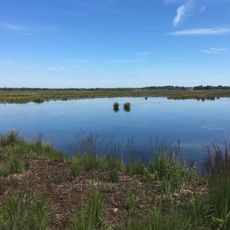
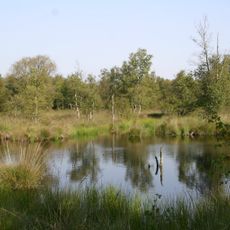
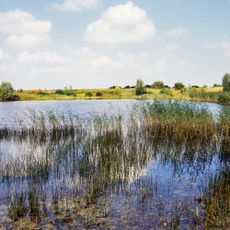
East Frisia is a low-lying region along the North Sea coast characterized by islands, mudflats, and marshland. The landscape shows the constant influence of water and tides, creating a distinctive environment where land and sea continuously interact.
From the 12th century to the late 1400s, local communities governed the region independently without external rulers. This period of self-determination left a lasting mark on how people in the area see themselves.
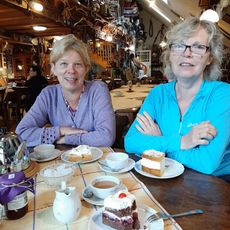
Tea drinking is deeply rooted in daily life here, with locals practicing distinctive serving customs that reflect regional identity. These habits shape how people gather and spend time together in their homes and communities.
Trains and roads link the region well to mainland Germany, while ferries connect to the nearby islands. Visitors can explore using various transport methods depending on which areas they want to reach.
Medieval communities built artificial mounds called terps to protect their settlements from North Sea floods. These earthen structures remain visible today and show how people adapted to living in a flood-prone environment.
The community of curious travelers
AroundUs brings together thousands of curated places, local tips, and hidden gems, enriched daily by 90,754 contributors worldwide.