Gailingen am Hochrhein, municipality in Germany
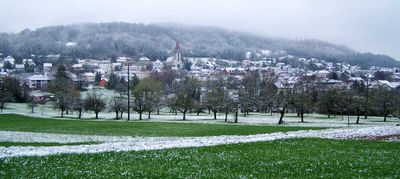
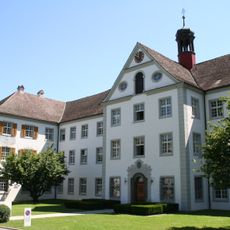
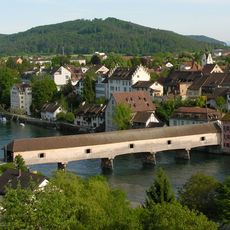
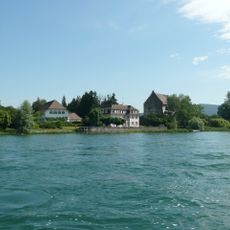
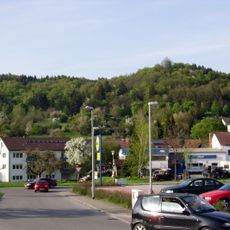
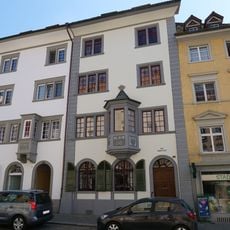
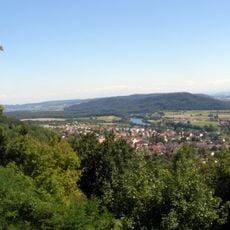
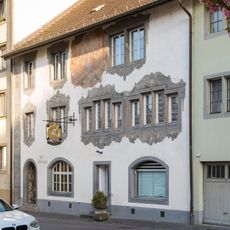
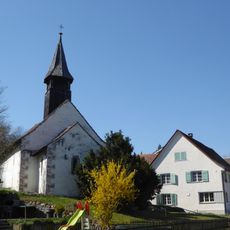
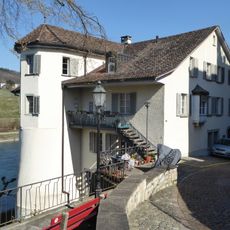
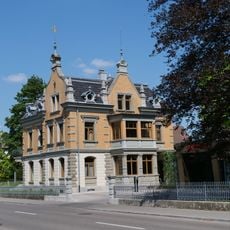
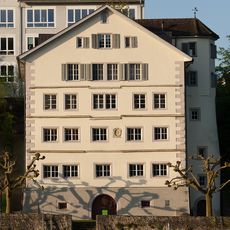
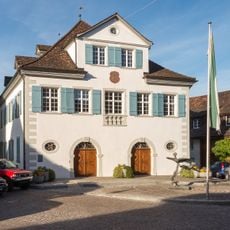
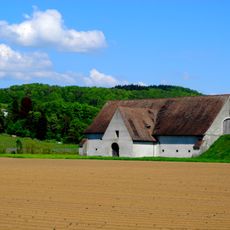
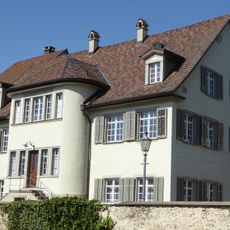
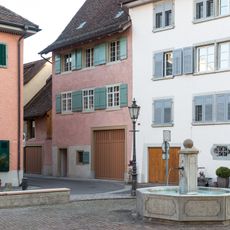
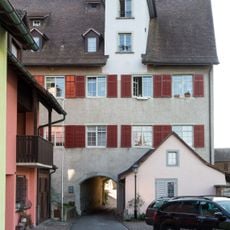
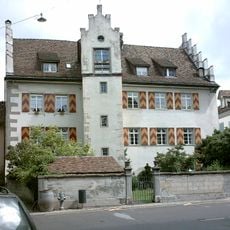
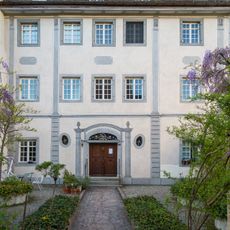
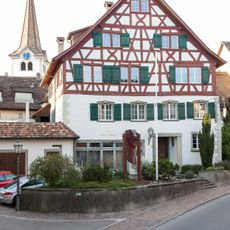
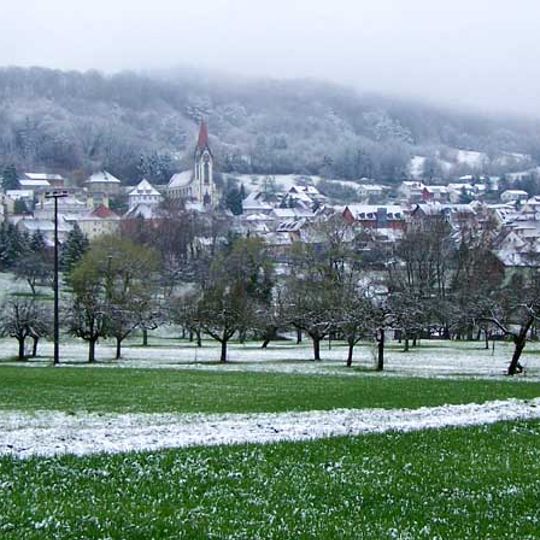
Gailingen am Hochrhein is a small village in southern Germany situated directly on the northern bank of the High Rhine near Switzerland. The settlement features quiet streets lined with simple, well-maintained houses in soft colors, surrounded by forests, orchards, and vineyards nestled in gently rolling terrain.
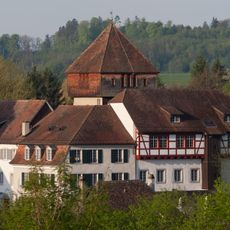
The village was first documented over a thousand years ago and was originally settled by the Alamanni people, who named it after their leader Geilo. In the 14th century it came under the rule of the Randegg family, and a Jewish community established itself from the 1600s onward until being expelled during the Nazi era.
The village has a rich cultural history shaped by its former Jewish community, which settled here after the 1600s and became a major part of local life until the mid-20th century. Wine-making remains central to daily life today, with many residents growing grapes and sharing their products in small local wine taverns.
The village is easily reached by bus, which connects it to nearby towns, and walking trails crisscross the surrounding hills, orchards, and river valley. A range of lodging options, including restored historic farmhouses with modern amenities like heating and fully equipped kitchens, make it simple to stay for several days and explore the wider area.
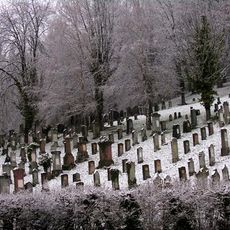
The village once had a significant Jewish community that made up roughly half the population by the mid-1800s and even elected a Jewish mayor. Artifacts from this community, including items from the synagogue and cemetery, are now housed in the Jewish Museum of Switzerland and tell the story of a nearly forgotten past.
The community of curious travelers
AroundUs brings together thousands of curated places, local tips, and hidden gems, enriched daily by 91,331 contributors worldwide.