Botanic Garden and Botanical Museum Berlin, Scientific garden and research center in Lichterfelde, Germany
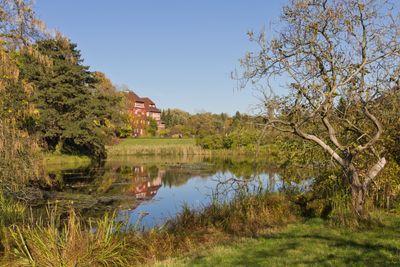
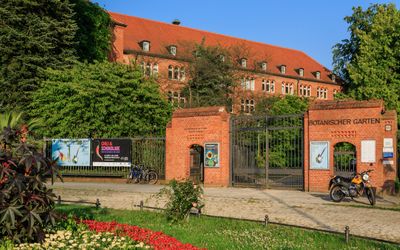
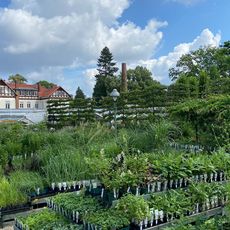
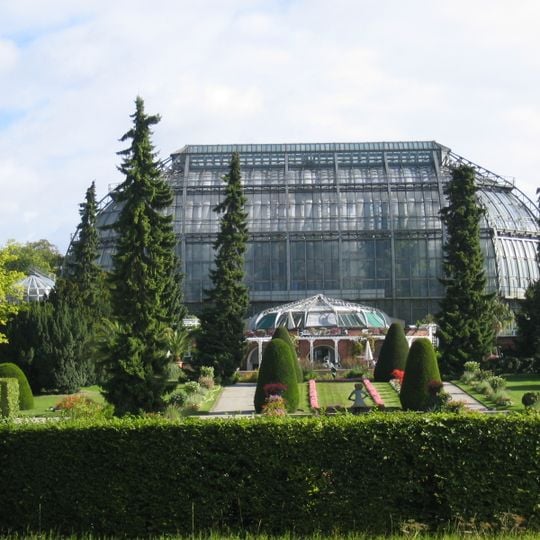
Botanic Garden and Botanical Museum Berlin is a scientific garden and research center in Lichterfelde, Germany, holding 22,000 plant species across 43 hectares (106 acres). The grounds are divided into geographical zones, a systematic botany area, and fourteen display greenhouses that recreate different climatic conditions.
The institution began in 1573 at Berlin City Palace as a royal garden and relocated in 1897 to its current site in Dahlem, where Adolf Engler directed the redesign. During the Second World War, the facility suffered heavy damage but was gradually restored over the following decades.
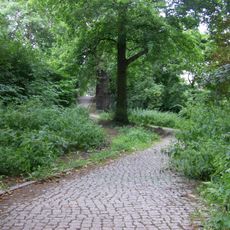
Visitors walk through sections arranged by continent, where each zone displays plants from Africa, Asia, the Americas and Australia in their natural groupings. Labels throughout the grounds use both scientific Latin names and common names in German, helping people connect with the diversity of plant life.
Visitors pay 6 euros admission for adults and can walk along accessible paths through the outdoor sections and most greenhouses. Anyone interested in botanical research or viewing the herbarium should check with the museum in advance, as these areas are not always open to the general public.
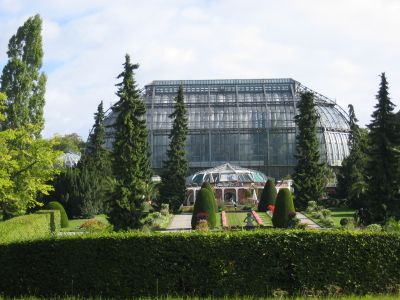
The main pavilion reaches a height of 25 meters (82 feet) and uses a glass structure to house tropical plants such as giant bamboo under near-natural light conditions. One of the greenhouses grows a titan arum, which blooms only once every few years and releases a strong scent resembling rotting flesh.
The community of curious travelers
AroundUs brings together thousands of curated places, local tips, and hidden gems, enriched daily by 90,754 contributors worldwide.