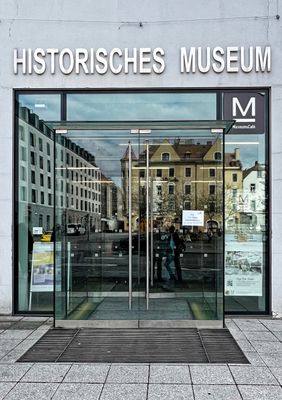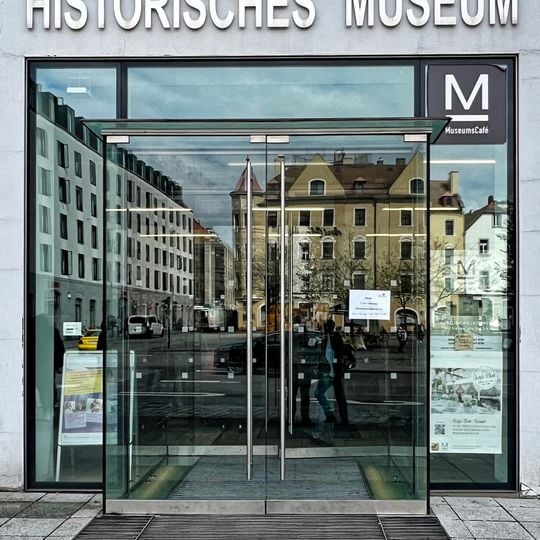
Regensburg Museum of History, History museum in Regensburg, Germany.
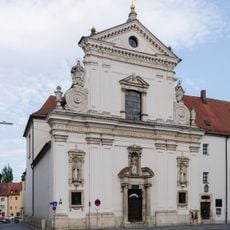
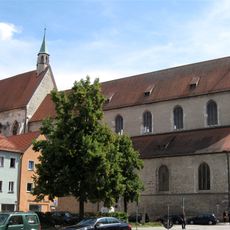
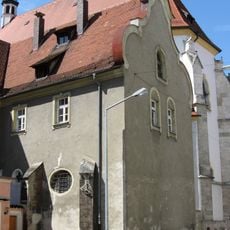
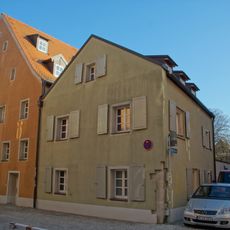
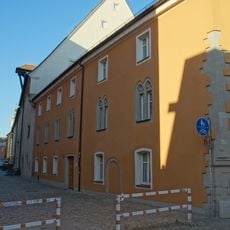
The Regensburg Museum of History occupies the former Minorite monastery of St. Salvator at Dachauplatz, founded in 1221. Its three-naved basilica church, considered the largest of the order in southern Germany, and the surrounding monastic buildings now house collections spanning the Stone Age to the 20th century. The museum is divided into three departments and two external branches.
The building began as the monastery of St Salvator in 1221, founded through the initiative of Bishop Konrad IV, Count Otto VIII, and King Henry VII. It served as a religious center for many centuries before being converted into a museum space in later times.
The monastery church, a three-naved basilica, was regarded as the largest church of the Minorite order in southern Germany until it closed in 1799. The museum now displays late Gothic tapestries and works by Albrecht Altdorfer, a Regensburg citizen, and the Danube School.
The museum occupies the former Minorite monastery of St. Salvator at Dachauplatz, spread over three floors plus two external sites. The archaeological collection fills the ground floor, city history and folklore the first floor, and medieval art with the Altdorfer collection the second. The Roman brewery at Kornweg 24a is kept under a glazed, roofed pavilion and can be viewed freely from outside.
The museum holds grave goods from the chieftain burial site at Hagenau, one of the few princely graves found in the region. Alongside these, the collection features a large body of finds from Castra Regina, the Roman military camp on which today's Regensburg was built.
The community of curious travelers
AroundUs brings together thousands of curated places, local tips, and hidden gems, enriched daily by 94,043 contributors worldwide.