Museum of European Cultures, Ethnographic museum in Steglitz-Zehlendorf, Germany
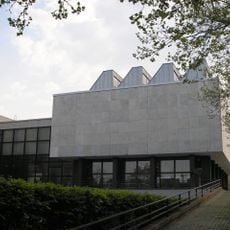
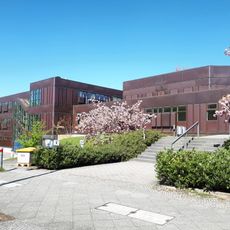
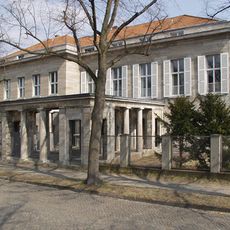
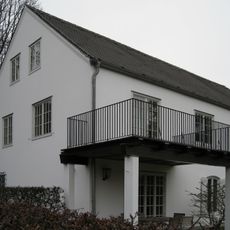
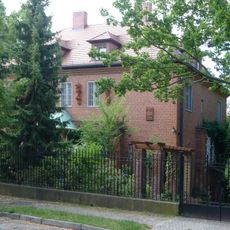
The Museum of European Cultures occupies the Bruno-Paul-Bau, the oldest building in the Dahlem Museums complex in Berlin-Zehlendorf. Its permanent exhibition, Kulturkontakte. Leben in Europa, opened in 2011 after renovation and draws on 285,000 objects covering everyday life in Germany and Europe from the 18th century to the present, with a focus on eastern and south-eastern Europe.
The museum took its present form in 1999, when the European department of the Ethnological Museum was merged with the Museum for Folklore. Its roots reach back to 1889, when Rudolf Virchow founded a private museum for German traditional costumes and handicrafts in the Palais Creutz. In 1904 that collection was attached to the Royal Museums, and in 1935 it became the State Museum for German Folklore at Bellevue Palace. After the division of Berlin, parallel folklore museums existed in East and West; they were reunited after 1990.
The collection shows how people across Europe lived and worked together. Crafts, celebrations, and everyday objects tell stories of connections between different regions and communities.
The museum occupies the Bruno-Paul-Bau, the oldest building in the Dahlem museum complex in Steglitz-Zehlendorf, named after architect Bruno Paul (1874–1968). The permanent exhibition Kulturkontakte. Leben in Europa has been shown there since 2011, after the building was renovated. Allow time for the 285,000-object collection's displays rather than expecting a quick walk-through.
The museum's holdings began with two Sámi shaman drums from northern Europe that entered the Royal Prussian Art Collection in the early 19th century. They were later joined by the "Europa" cabinet of the Neues Museum, opened in 1859, which is considered the nucleus of today's collection.
The community of curious travelers
AroundUs brings together thousands of curated places, local tips, and hidden gems, enriched daily by 94,095 contributors worldwide.