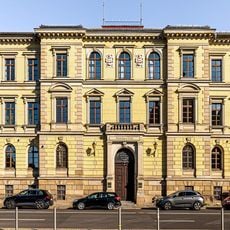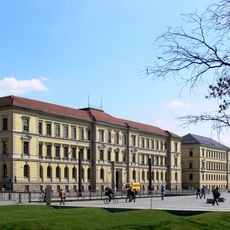
Altes Grassimuseum, Museum building in Leipzig, Germany
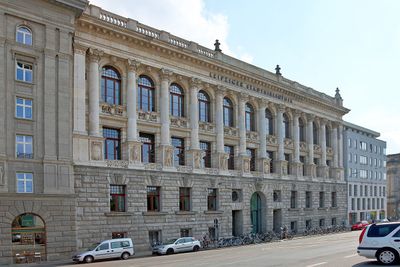
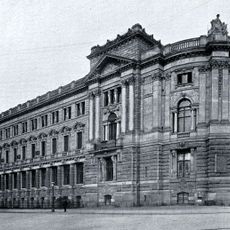
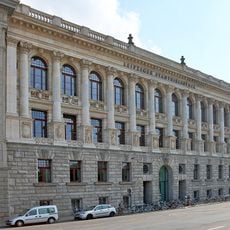
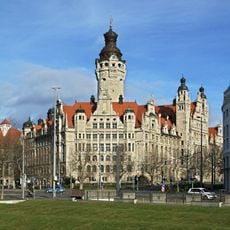
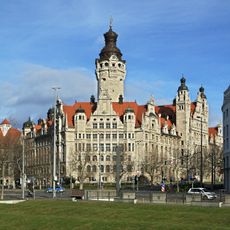
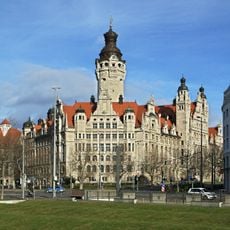
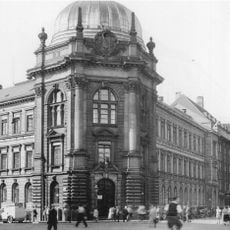
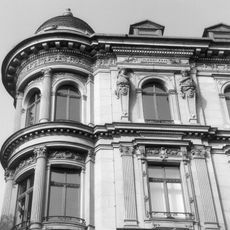
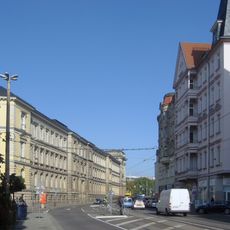
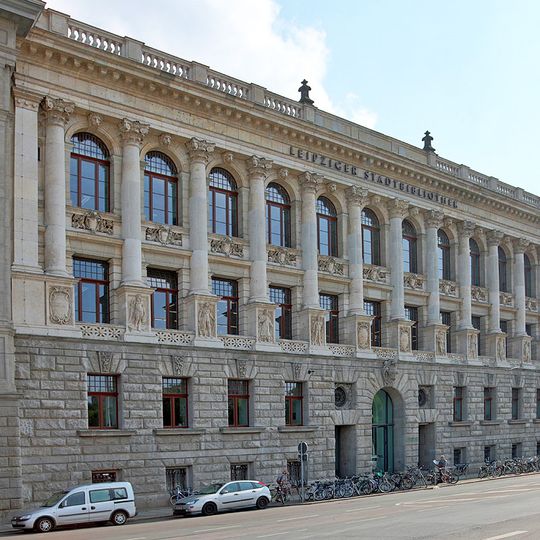
The Altes Grassimuseum is a museum building on Wilhelm-Leuschner-Platz in Leipzig, erected from 1894 to 1897 to designs by city building director Hugo Licht. Its facade sets a colonnaded, classically ordered left side against an exoticising right side, spelling out the programme of the ethnological museum it once housed. It is Leipzig's oldest surviving museum building.
Hugo Licht, Leipzig's city building director, designed the Altes Grassimuseum, built from 1894 to 1897 on Königsplatz, now Wilhelm-Leuschner-Platz. It housed the ethnology and applied arts collections until 1926, when they moved to the Neues Grassimuseum. From 1927 it served as a trade fair building; badly damaged in the 1943 air raids, it was rebuilt after the war and renovated again from 2010 to 2012.
The museum serves as a meeting point for artists and designers in Leipzig today. The annual Grassimesse fair in October displays work from craftspeople and creative professionals across the region.
You can enter the complex from several doors on different sides of the building. The interior connections between the three museums allow you to move smoothly from one section to another without stepping outside.
Eighteen tall windows along the main staircase were designed by Bauhaus master Josef Albers in 1926. These windows display the clean geometric language that defined the Bauhaus movement.
The community of curious travelers
AroundUs brings together thousands of curated places, local tips, and hidden gems, enriched daily by 93,958 contributors worldwide.