Lower Rhine, River segment in North Rhine-Westphalia, Germany and Netherlands.
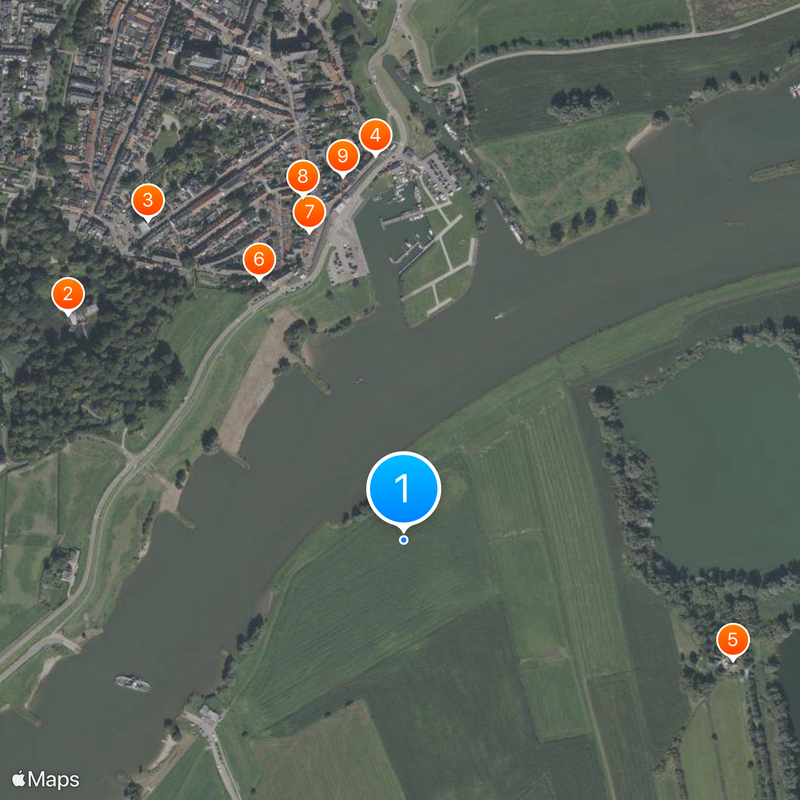
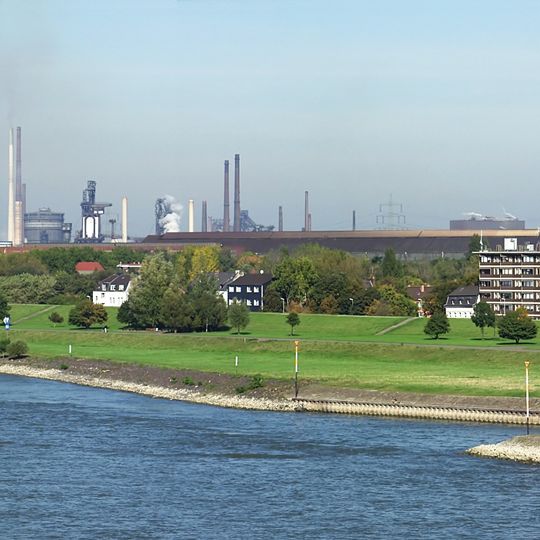
The Lower Rhine flows from Bonn through flat terrain marked by industrial centers and port cities before reaching the Netherlands at roughly 12 meters elevation. The river section spans many kilometers and serves as a vital waterway connecting multiple regions.
The river section gained international importance through the 1815 Congress of Vienna, which established shipping rights for vessels from multiple nations. This agreement shaped the development of trade routes and port cities for decades to come.
Cities along the waterway host riverside festivals and markets that reflect how communities have organized their lives around the river for centuries. These gatherings continue to shape local identity and bring people together today.
Many bridges, ferries, and water taxis allow crossing between both banks and operate throughout the year. These connections are typically easy to access and link communities on either side.
Europe's largest inland port sits at Duisburg and handles millions of tons of cargo through this river section yearly. The port serves as a crucial trade hub between Western and Eastern Europe, demonstrating the region's economic importance.
The community of curious travelers
AroundUs brings together thousands of curated places, local tips, and hidden gems, enriched daily by 92,759 contributors worldwide.