Bundeswehr Military History Museum, Military history museum in Dresden, Germany
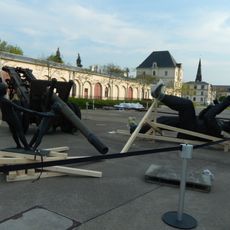
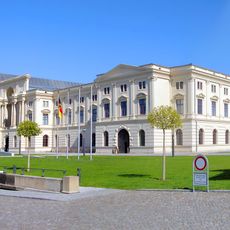
The Bundeswehr Military History Museum is a history museum in Dresden displaying weapons, uniforms, vehicles, and documents from different periods. The collections tell stories of war and violence through multiple perspectives and timeframes.
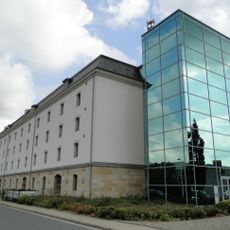
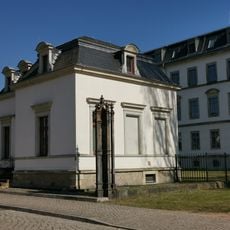
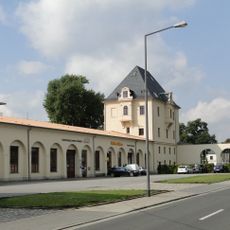
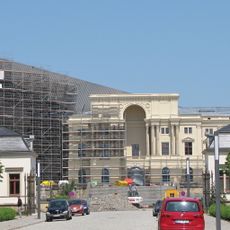
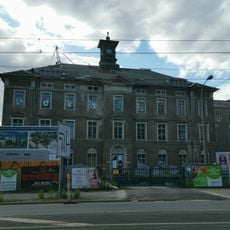
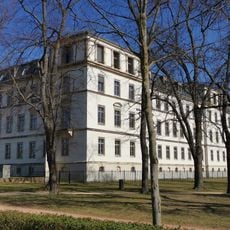
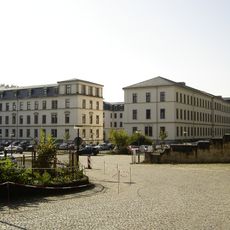
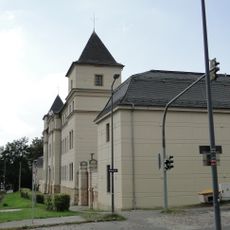
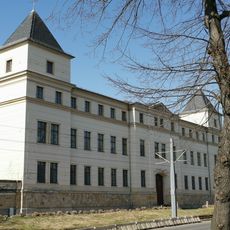
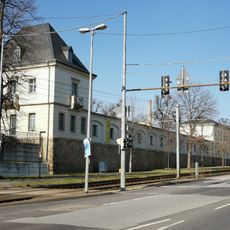
The neoclassical building was erected in 1873–1877 as the arsenal of Dresden's imperial garrison and served that role until the end of the First World War. An arms exhibition was already held there in 1897; from 1923 it housed the Saxon Army Museum, and from 1938 it was a Wehrmacht museum, renamed the Museum of Warships in 1940. After 1945 the occupying forces closed Germany's military museums, most collections went to the USSR as war reparations, and the city administration used the building until 1967. It opened as a museum in 1972, showing models of the GDR and Warsaw Pact; after reunification it took its present name under the Ministry of Defence.
The museum presents military history through thematic exhibitions that examine violence as a historical and anthropological phenomenon without glorifying warfare.
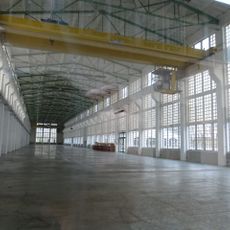
The museum occupies the former Albertstadt arsenal in Dresden's northern suburbs, administered by the Bundeswehr's military history research office in Potsdam. The building was fully reworked to Daniel Libeskind's plans, so allow several hours: over a million items are held, from uniform buttons and decorations to the Kiel-built submarine of 1850, combat aircraft and the Soyuz 29 capsule of 1978.
The collection holds over a million items, from a single uniform button to the first submarine built in Kiel in 1850 and the Soyuz 29 capsule of 1978, flown by Sigmund Jähn, the first German in space. The Soviet Union returned part of the old Saxon army museum pieces after taking most of the collections as war reparations.
The community of curious travelers
AroundUs brings together thousands of curated places, local tips, and hidden gems, enriched daily by 92,808 contributors worldwide.