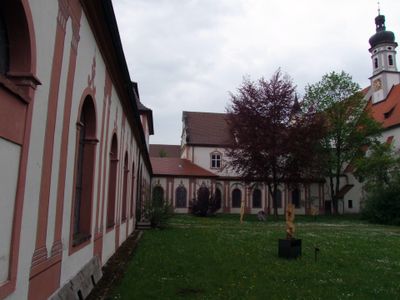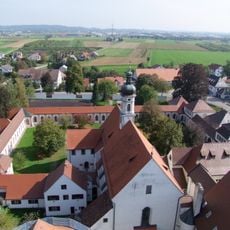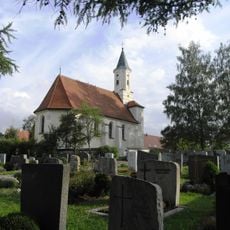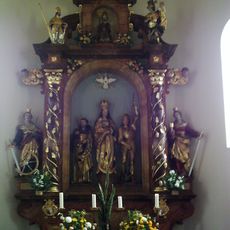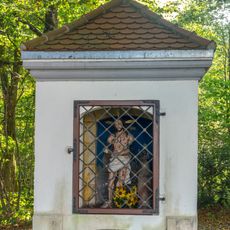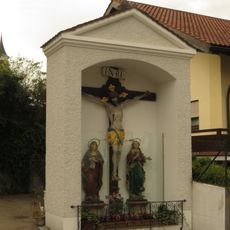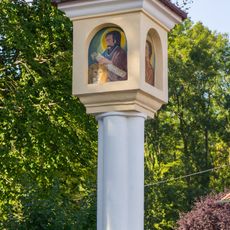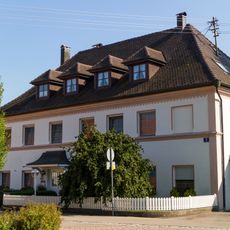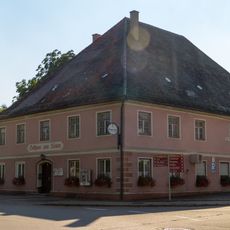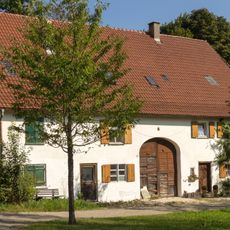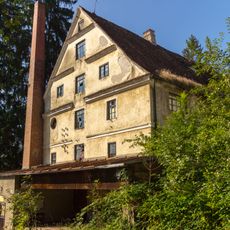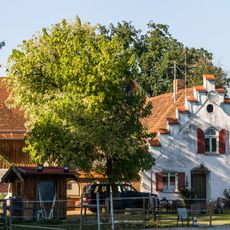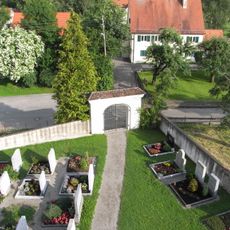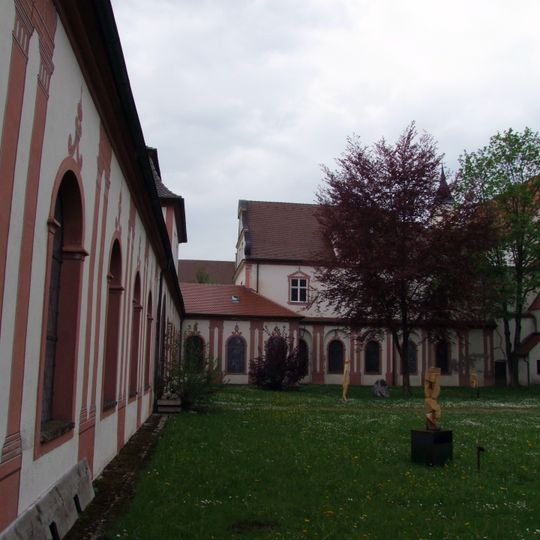
Buxheim Charterhouse, Gothic monastery in Buxheim, Germany.
Buxheim Charterhouse is a Gothic monastery in Buxheim, near Memmingen in Bavaria, made up of a monastic church, several chapels, and long cloister corridors. The layout follows the traditional Carthusian plan, with individual cells for monks arranged around shared spaces for prayer.
Around 1100 a house of canons dedicated to the Virgin Mary was founded at Buxheim; in 1402 Provost Heinrich von Ellerbach handed the declining establishment to the Carthusians, who built up to 21 cells. In 1546 Memmingen occupied the monastery, and in 1548 Prior Dietrich Loher obtained from Charles V the status of Imperial Charterhouse, the only one in Germany. Dissolved in the secularisation of 1802, it passed to the Counts of Ostein, then in 1809 to the Waldbott von Bassenheim, who used it as a castle from 1812; the Salesians acquired it in 1926.
The monastery library held around 700 manuscripts and early printed books during the Middle Ages, making it a center of learning for the Carthusian monks. This collection shaped the spiritual and intellectual life of the religious community that lived within these walls.
Guided tours in German are available and help make sense of the architecture and monastic life throughout the complex. The floors are uneven in places and the stairs are steep, so sturdy footwear makes the visit easier.
The Buxheim Carvings are the choir stalls of the monastery church, carved between 1687 and 1691 by the Tyrolean sculptor Ignaz Waibl. Sold to a Governor of the Bank of England in 1883, they were installed in St Saviour's Hospital in London, passed through Anglican orders and in 1960 moved to Hythe, Kent. They returned to Buxheim in the early 1980s, and the Presentation Sisters' Reverend Mother was made an honorary citizen of Buxheim for it.
The community of curious travelers
AroundUs brings together thousands of curated places, local tips, and hidden gems, enriched daily by 94,404 contributors worldwide.