Fossa Carolina, Archaeological canal in Weißenburg in Bayern, Germany
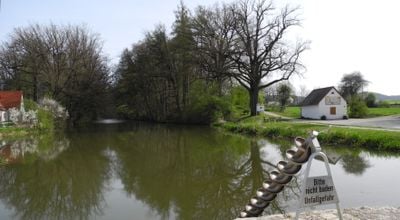
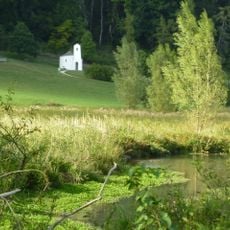
The Fossa Carolina is a medieval canal near Weißenburg that was meant to connect the Rezat river to the Altmühl. The ditch system cuts through the landscape between two major river basins and shows the efforts made to improve transportation routes at that time.
Charlemagne ordered the canal dug in 793, and dendrochronology of oak planks from the banks dates the felling to 792–793. Einhard blamed marshy ground and rain for the failure, but research since 2012 suggests construction was abandoned before completion. In the 19th century the project inspired Ludwig I of Bavaria to build the Ludwig Canal, opened in 1846.
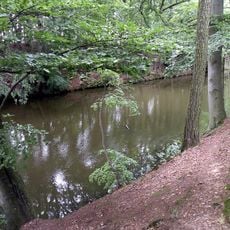
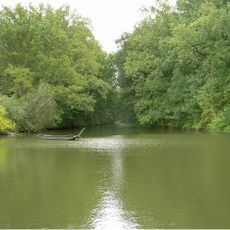
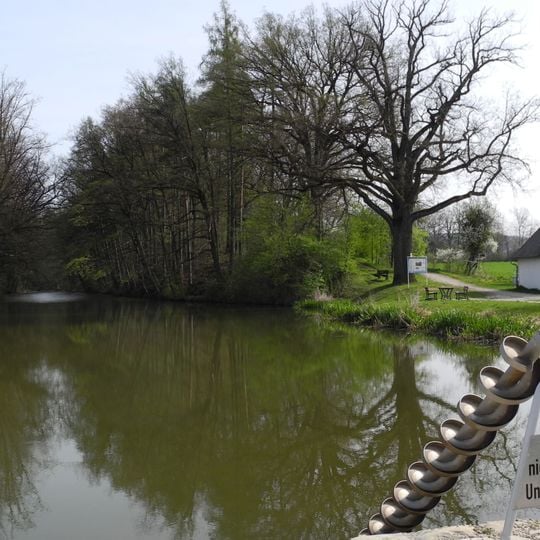
The name Fossa Carolina is Latin for "Caroline ditch", after Charlemagne (Carolus). Visitors today see a 500-metre stretch of water and earth banks up to 10 metres high; the site lies in the Ortsteil Graben of Treuchtlingen, and the excavated oak planks used to line the banks were dated to 792–793.
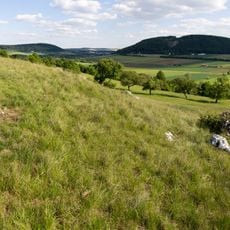
The water-filled stretch lies in the Graben district of Treuchtlingen; a dry section about 700 metres long continues north, where the banks are almost levelled. The earth banks run for roughly 1.2 kilometres in total and rise up to 10 metres in places. The site is open ground, so sturdy footwear helps on the uneven embankments.
Archaeological investigations have uncovered an unusual stepped profile at the bottom of the ditch, pointing to thoughtful water management. This reveals that engineers of that time were already experimenting with innovative solutions to control water effectively.
The community of curious travelers
AroundUs brings together thousands of curated places, local tips, and hidden gems, enriched daily by 94,045 contributors worldwide.