Heringen, town in Landkreis Hersfeld-Rotenburg in Hesse, Germany
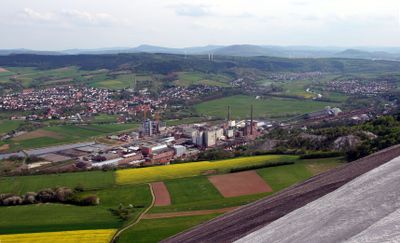
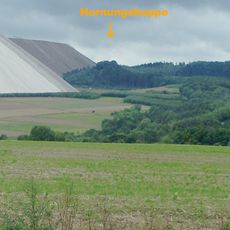
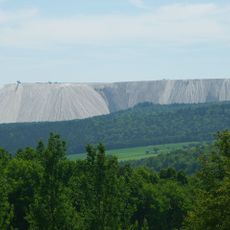
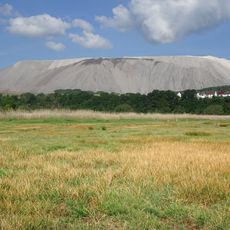
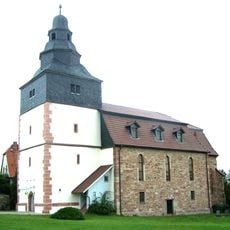
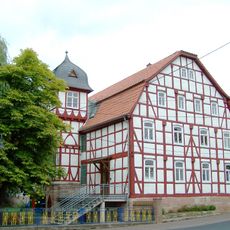
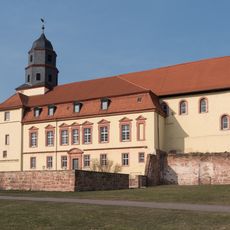
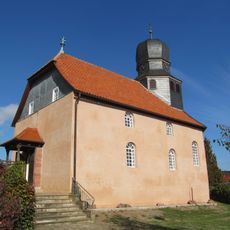
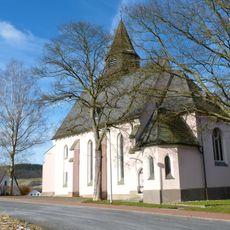
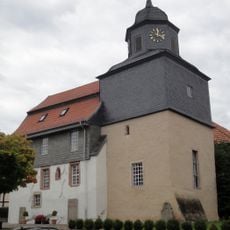
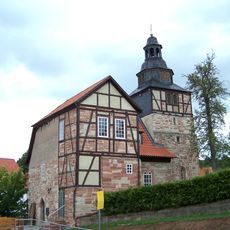
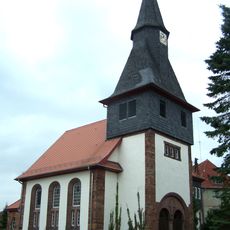
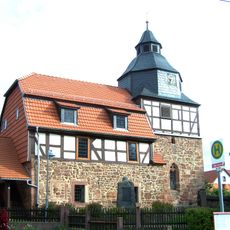
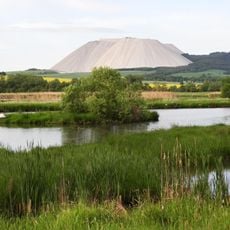
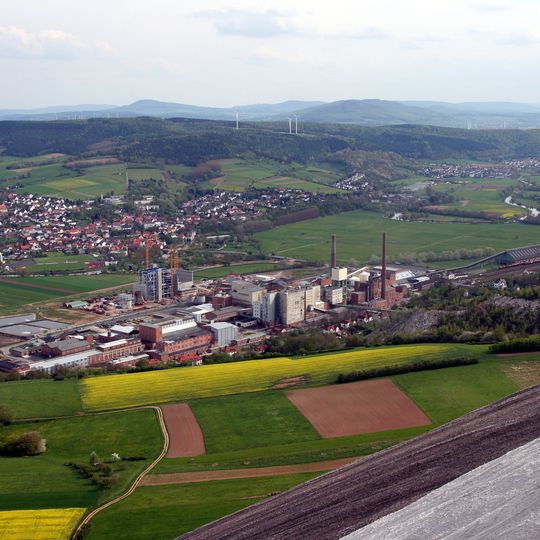
Heringen is a small town in the Hersfeld-Rotenburg district of Germany with a 100-year history tied to salt and potassium mining. Traditional buildings define the townscape, while two artificial hills known as the Kaliberge stand as visible remnants of past mining operations that shaped the local landscape.
Potassium deposits were first detected in the Werra River in 1893, establishing the foundation for the town's modern mining industry. Over decades, underground mining operations expanded to cover an area comparable in size to Munich.
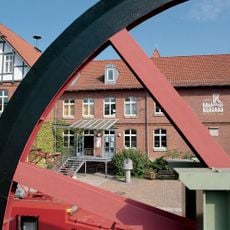
The name Heringen derives from its location along the Werra River, and the town's identity remains rooted in its mining heritage. Local mining associations keep this legacy alive through annual celebrations and traditional songs that connect residents to their working past.
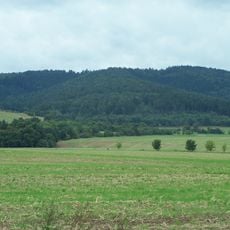
The town is easily accessible by car from nearby cities and serves as a good starting point for exploring the surrounding countryside. The Fritz-Kunze-Bad, open year-round, offers swimming in a natural outdoor pool with a sandy beach or indoors when weather permits.
Uwe Bein, a 1990 World Cup winner, hails from Heringen and remains a source of local pride. His connection to this small town demonstrates that major achievements can emerge from unexpected places.
The community of curious travelers
AroundUs brings together thousands of curated places, local tips, and hidden gems, enriched daily by 92,336 contributors worldwide.