Lehnin Abbey, Cistercian monastery in Brandenburg, Germany
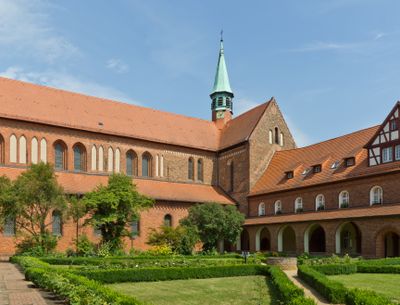
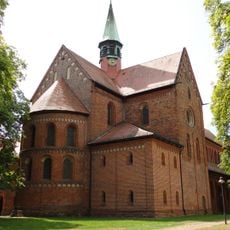
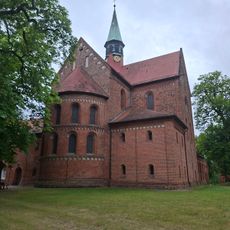
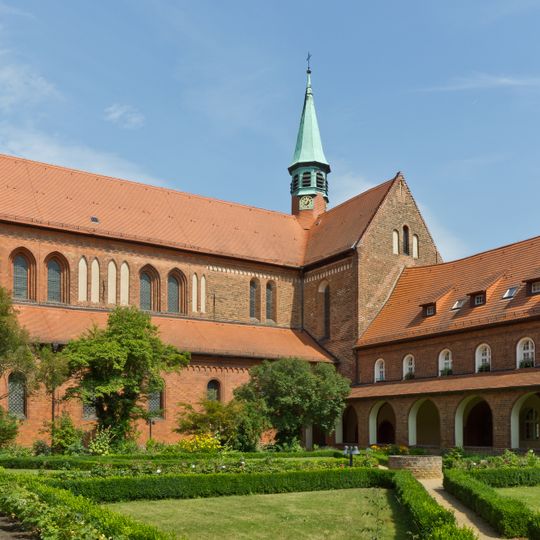
Lehnin Abbey is a red brick Cistercian foundation built in the Gothic style with pointed arches, narrow windows and a church that runs about 70 meters (230 feet) from entrance to apse. The warm red masonry forms clean lines and geometric patterns, while the cloister and surrounding wings wrap around an open courtyard.
Margrave Otto I founded the site in 1180, bringing Cistercian monks from the Rhineland to establish the first monastic house in the Mark of Brandenburg. The Reformation reached the abbey in 1542, converting it into a Protestant institution that has served local parishes ever since.
Locals call the complex simply das Kloster, reflecting how deeply woven it remains into daily life in this part of Brandenburg. Today the church serves as a parish center where Protestant worship continues weekly, connecting centuries of prayer under the same brick vaults.
The complex sits about 24 kilometers (15 miles) southwest of Potsdam and is reachable by car or regional train connections. Visitors can walk through the church and parts of the grounds, though some areas remain active as a clinic and care home, so respect quiet zones and posted signs.
A medieval text called the Vaticinium Lehninense, credited to a monk named Hermann, claims to predict the fate of Brandenburg ruling families into the 18th century. Scholars still debate whether the manuscript truly dates from the Middle Ages or was written later to match events already known.
The community of curious travelers
AroundUs brings together thousands of curated places, local tips, and hidden gems, enriched daily by 91,274 contributors worldwide.