Weißenburg Roman Fort, Roman military fort in Weißenburg in Bayern, Germany
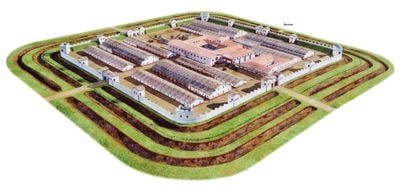
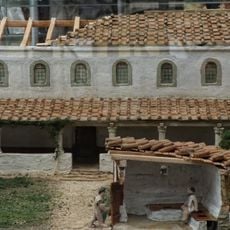
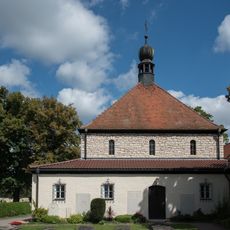
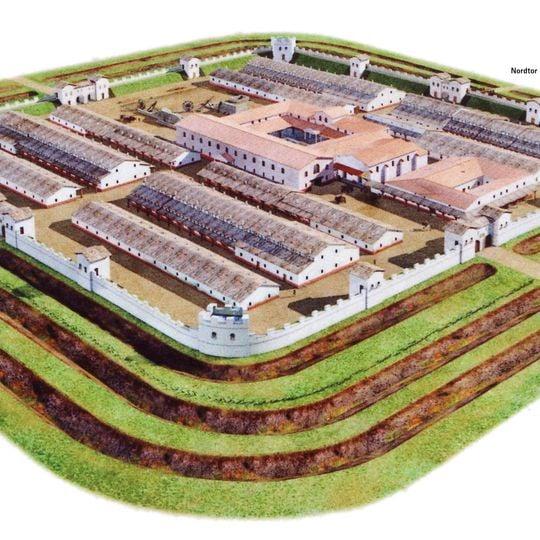
The Weißenburg Roman Fort, also known as Biriciana, is an archaeological site in Weißenburg in Bayern where the remains of a Roman military base are preserved. Visitors can see sections of the fort's walls, a reconstructed gateway, the ruins of a bathhouse, and a granary with original stone elements still in place.
The fort was built around 160 AD as a base for a cavalry unit along the northern edge of the Roman Empire, a frontier line known as the Limes. Roman forces withdrew from this border zone in the 3rd century, and the camp was abandoned shortly after.
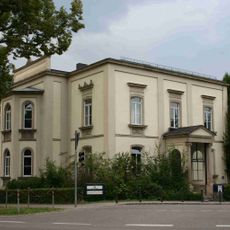
The Weißenburg Treasure, displayed in a nearby museum, is one of the finest collections of Roman silver found in this part of the former empire and likely belonged to an officer stationed here. Walking through the site today, visitors can get a sense of how soldiers organized their daily lives at this remote posting.
The fort lies on the western edge of Weißenburg in the open "Kesselfeld" area, a protected archaeological zone on a low rise that slopes down to the Schwäbische Rezat. The reconstructed north gate, the Porta decumana, faces the Rhaetian Limes about 5.5 km to the north; the main gate, the Porta praetoria, opens southeast. The outlines of the walls and the Principia are marked in the ground, and the foundations were reburied in 1965 with concrete caps on the wall tops to show the plans. The terrain is open with little shade.
The fort's granary still stands on its original stone support posts, which were designed to keep grain off the damp ground, a solution used across the Roman Empire. A preserved cistern nearby shows how the garrison managed its water supply far from any major river.
The community of curious travelers
AroundUs brings together thousands of curated places, local tips, and hidden gems, enriched daily by 94,622 contributors worldwide.