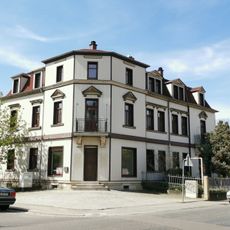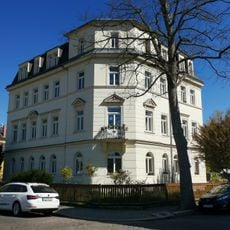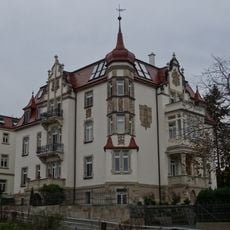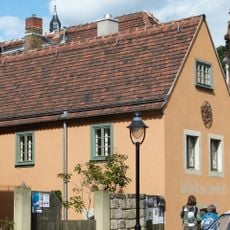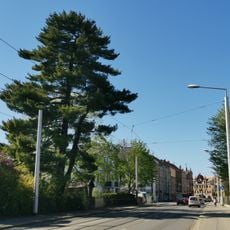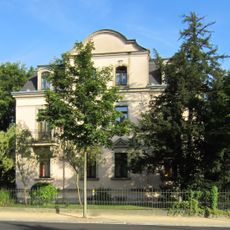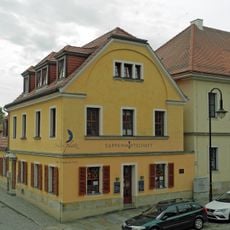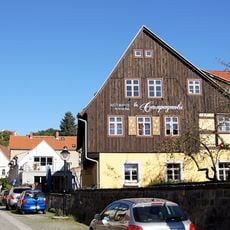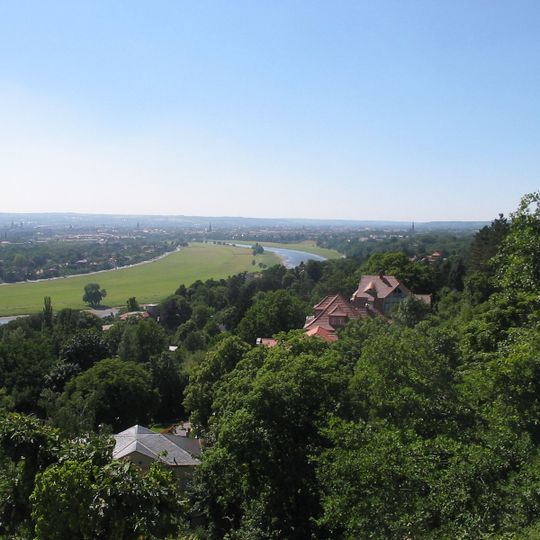
Dresden Elbe Valley, Cultural landscape in Dresden, Germany.
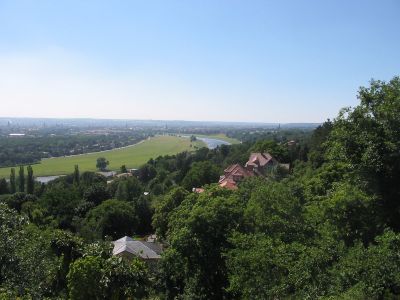
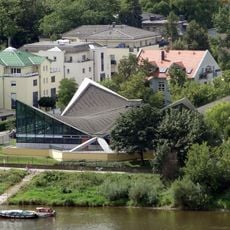
The Dresden Elbe Valley is a cultural landscape with palaces, gardens, and wine-growing areas along the river between rolling hills. The region combines historical structures with natural landscape features into a coherent whole.
The valley developed as a trade center in the Middle Ages, attracting settlements and fortifications to the area. Later, rulers shaped the landscape by constructing grand palaces and organized gardens.
The region displays baroque architecture, classical gardens, and vineyards that reflect the interplay between human design and nature. Visitors can see how traditional wine cultivation methods and historical buildings still shape the landscape today.
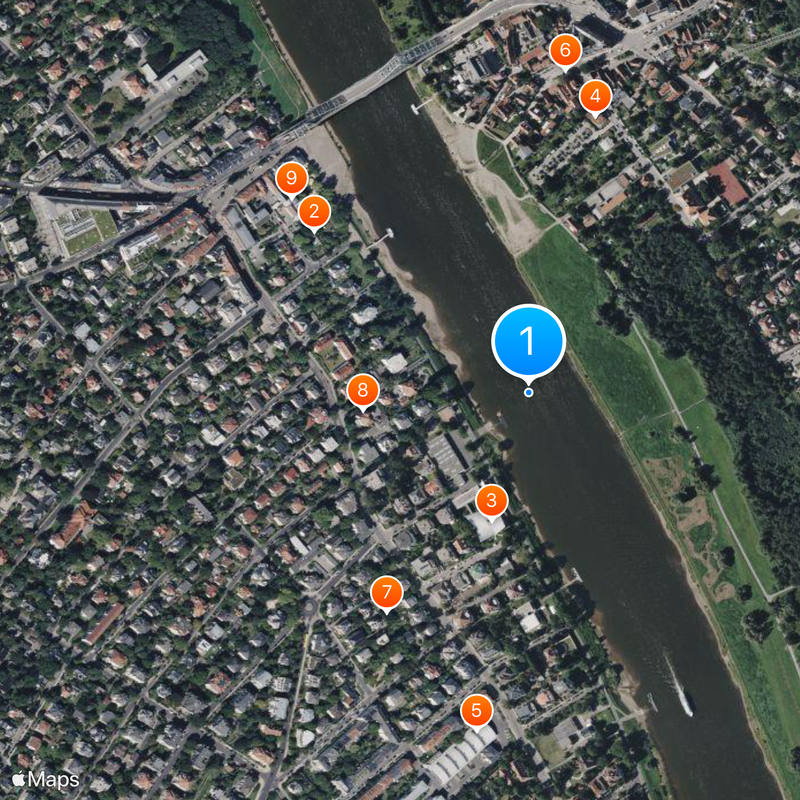
The valley runs about 20 km along the Elbe, from the Loschwitz district in the southeast to the Ostragehege plains in the northwest. The Elbe meadows stay free of buildings because floods recur there, so paths across them can be muddy or closed after high water. The forested slopes of the Lusatian Plateau and the Dresden Heath shelter the valley from harsh winds.
In June 2009 the World Heritage Committee voted 14 to 5, with 2 abstentions, to strip the valley of its World Heritage status, the first site delisted by the committee's own decision. The four-lane Waldschlösschen Bridge, approved by 67.9 percent of voters in a 2005 referendum, opened in August 2013.
The community of curious travelers
AroundUs brings together thousands of curated places, local tips, and hidden gems, enriched daily by 94,123 contributors worldwide.