Schönhauser Allee, thoroughfare in Berlin, Germany
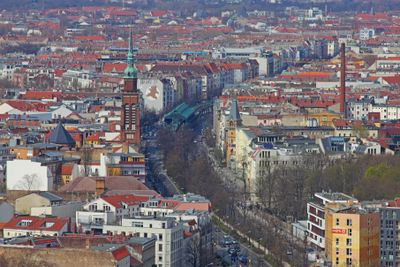
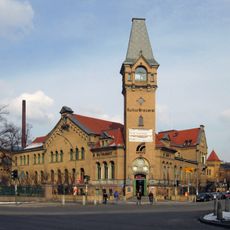
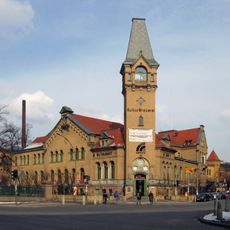
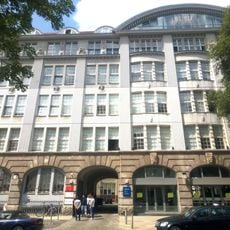
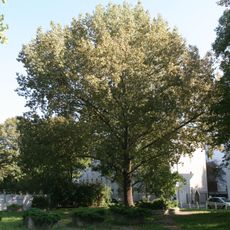
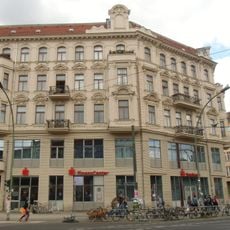
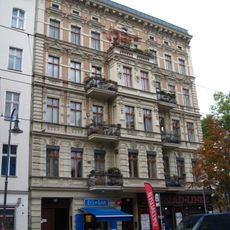
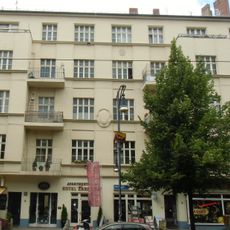
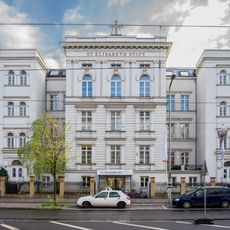
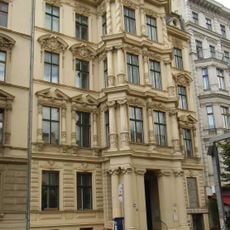
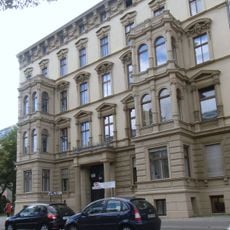
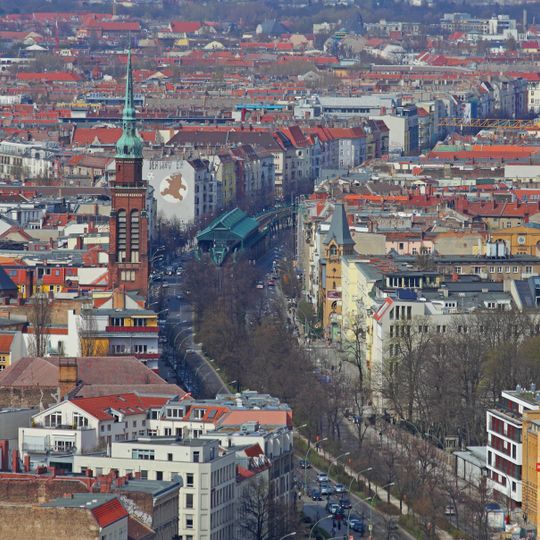
Schönhauser Allee is a street about 2840 meters long in Pankow district, Berlin, that slopes gently northward as you walk. Tree-lined sections alternate with busy shopping areas, and the street is marked by infrastructure including a U-Bahn viaduct and tram lines that run through the neighborhood. Buildings along the route range from older residential structures to modern shops and commercial spaces.
The street developed in the late 1600s as a path to a princely estate that later became Schloss Niederschönhausen, used by King Friedrich the Great and his wife Elisabeth Christine. The area saw conflict during the Napoleonic Wars and severe damage in World War II, followed by repeated reconstruction efforts during the post-war period and later Cold War years.
The street serves as a gathering place where locals shop, dine, and socialize, with cafes and small shops reflecting everyday community life. People spend time sitting outdoors, walking through the area, and enjoying the rhythm of neighborhood activity that unfolds along the street.
The street is easily accessible by U-Bahn line U2, trams, and buses, with multiple stops along the route. The walkways are wide with shade from trees, making it comfortable to stroll and explore shops and cafes at your own pace. Starting near the Schönhauser Allee station with its shopping center is a good entry point for visitors.
A specialized fish shop with a small attached restaurant has served customers for decades with fresh catch and seafood. The legendary Konnopke currywurst stand near Eberswalder Straße has been operating for nearly a century, making it one of Berlin's oldest food establishments.
The community of curious travelers
AroundUs brings together thousands of curated places, local tips, and hidden gems, enriched daily by 92,644 contributors worldwide.