Kleinaspergle, Celtic burial mound in Asperg, Baden-Württemberg, Germany
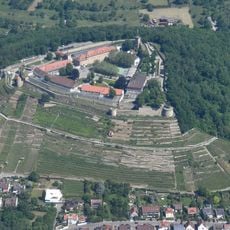
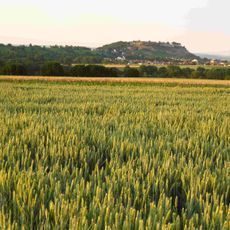
Kleinaspergle is a burial mound about 1,000 metres south of the Hohenasperg hillfort, between Asperg and Möglingen. The mound measures 60 metres across and 7.60 metres high and is ringed by a circular ditch 1.20 metres deep and 2.50 metres wide. Two timber-lined chambers were cut into it: a central main chamber 3 by 4 metres, sunk 2.80 metres into the subsoil and robbed in antiquity, and an undisturbed side chamber 2 by 3 metres at ground level in the western section. No stone setting was found.
The mound dates to the late 5th century before Christ and was first systematically examined through excavations in 1879. The investigation revealed that one chamber had been looted during medieval times, while the other chamber remained undisturbed.
The grave goods show a drinking service for two: a Greek red-figure cup by the Amphitrite Painter, a stamnos made near Vulci, and a Celtic beak-spouted flagon whose handle satyrs copy the imported model in native style. A bronze bucket from Ticino (c. 430 BC) and drinking horns with gold fittings ending in rams' heads were also found.
The mound is located near Asperg and requires care when walking on uneven ground and has limited accessibility for people with restricted mobility. The site is best explored on foot from parking areas near Hohenasperg.
The second burial chamber was smaller and held precious objects from the late 5th century before Christ that grave robbers never reached. This allowed archaeologists to better understand how these items were originally used and arranged.
The community of curious travelers
AroundUs brings together thousands of curated places, local tips, and hidden gems, enriched daily by 94,127 contributors worldwide.