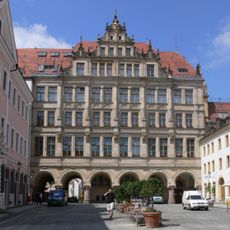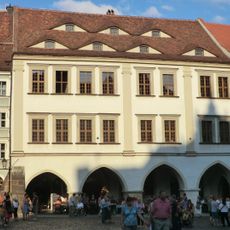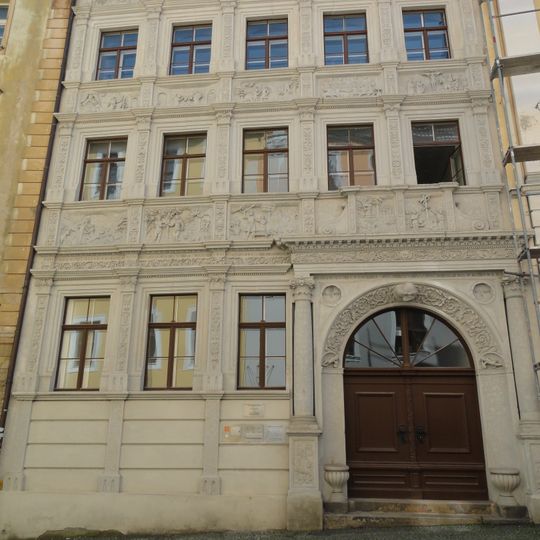
Biblisches Haus, Renaissance merchant house in Görlitz, Germany
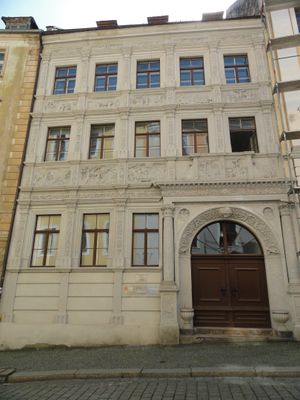
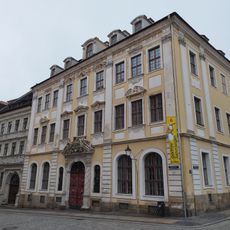
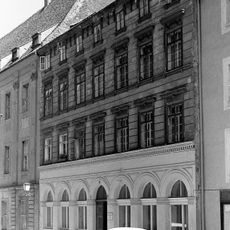
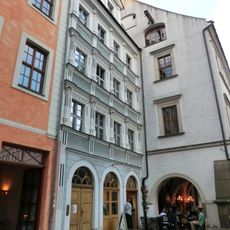
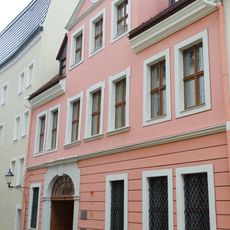
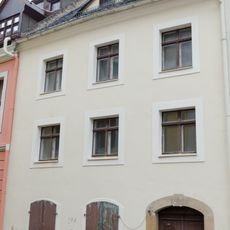
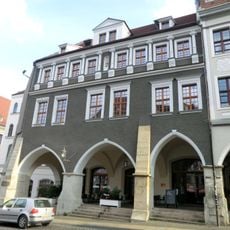
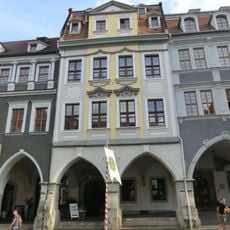
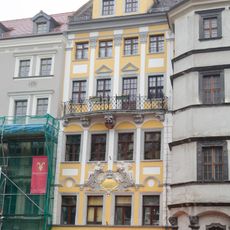
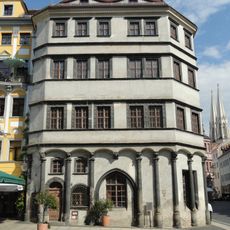
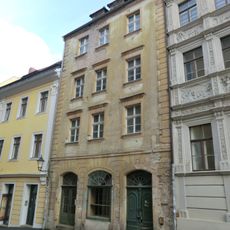
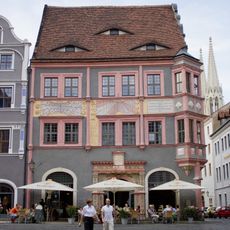
The Biblisches Haus at Neißstraße 29 is a Görlitz townhouse rebuilt from 1570 for the Weimar woad merchant Hans Heinze. Two bands of reliefs between the ground and first floors and between the first and second floors show scenes from the Old and New Testaments, carved by the sculptor Hans Kramer the Younger. Inside, a tall, narrow light well rises through the house, and the first floor holds a Renaissance hall with a dense wooden beam ceiling carved with acanthus vines and scattered animals.
Woad merchant Hans Heinze bought the house in 1570 and had it rebuilt; its predecessor was destroyed in the 1525 town fire. The stone Renaissance gable was lost to another fire in 1726. The Wüstenrot Stiftung and the city of Görlitz renovated the building between 2000 and 2004.
The building takes its name from the biblical scenes carved in stone across its facade, making religious stories visible to everyone passing by. These depictions show how religious education and craftsmanship came together in daily city life during that time.
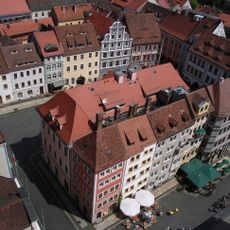
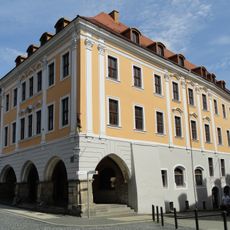
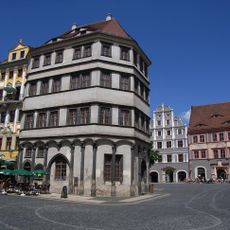
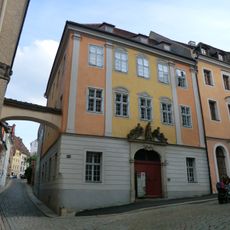
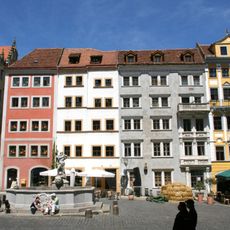
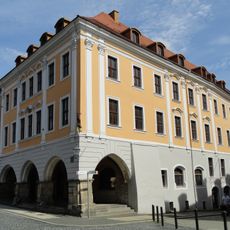
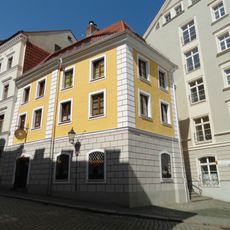
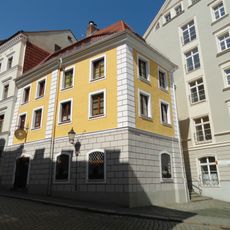
The house stands at Neißstraße 29, on the lane linking the Untermarkt with the Altstadtbrücke over the Lausitzer Neiße; the Kulturhistorische Museum Görlitz occupies the baroque corner house next door at Neißstraße 30. The facade reliefs and the carved portal can be viewed from the street at any time.
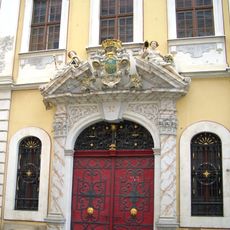
The portal differs from most Görlitz doorways: instead of square-framed blossoms it carries a continuous acanthus motif, with a Gaffkopf (a grimacing head) as keystone, flanked by columns on bases covered in flat arabesque reliefs. A similar Gaffkopf had appeared 14 years earlier on the town hall portal at Untermarkt 8.
The community of curious travelers
AroundUs brings together thousands of curated places, local tips, and hidden gems, enriched daily by 93,096 contributors worldwide.