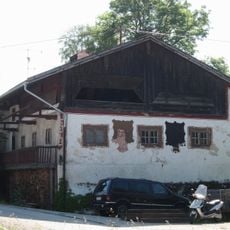
Isen Abbey, former Benedictine abbey and collegiate foundation in Isen, Germany
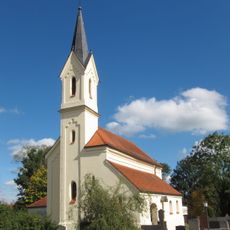
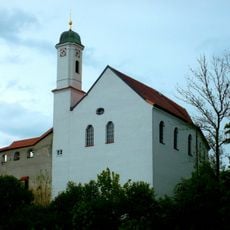
Isen Abbey, dedicated to Saint Zeno of Verona, was a Benedictine monastery and later a collegiate foundation in Isen, Bavaria. The former abbey church, St. Zeno, still stands and serves as the parish church; the other monastic buildings passed into private ownership after 1802.
Founded in the 8th century, around 752, by members of the Fagana noble clan and Bishop Joseph of Freising, St. Zeno was one of the oldest monasteries on ancient Bavarian soil. It followed the Benedictine rule until the early 12th century, when it became a collegiate foundation. It was dissolved in 1802 during Bavaria's secularisation; the seven canons' farms and the abbey buildings passed into private hands, while the church became Isen's parish church.
The abbey church is dedicated to Saint Zeno of Verona, and the foundation is tied to the Fagana, an indigenous Bavarian noble clan, and to Bishop Joseph of Freising, who is buried on the grounds. Since 1802 the former abbey church has served as Isen's parish church, while the seven canonry farms and the convent buildings passed into private hands.
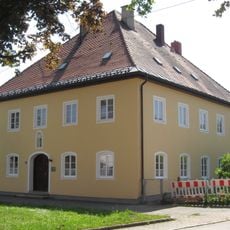
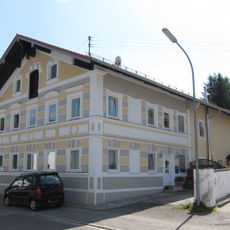
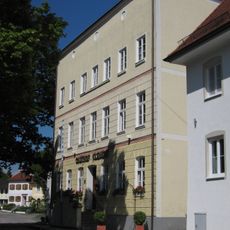
The former abbey stood in the centre of Isen, in the Diocese of Freising. Of the seven canons' residences and the abbey buildings, only the parish and coadjutor house stayed out of private hands after 1802; the rest passed to private owners. St. Zeno's church, with the priest's house, serves as Isen's parish church.
Isen Abbey was founded around 752 by the Fagana, an indigenous Bavarian noble clan, together with Bishop Joseph of Freising, also called Joseph of Verona. He was buried on the grounds, and the abbey is dedicated to Saint Zeno of Verona.
The community of curious travelers
AroundUs brings together thousands of curated places, local tips, and hidden gems, enriched daily by 94,301 contributors worldwide.