Treysa meteorite, Iron meteorite in Schwalmstadt, Germany
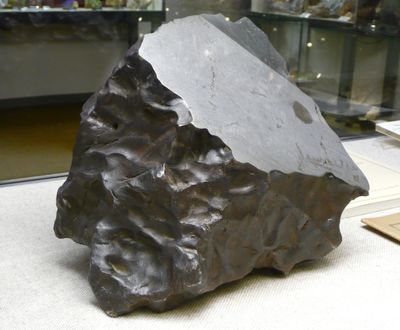
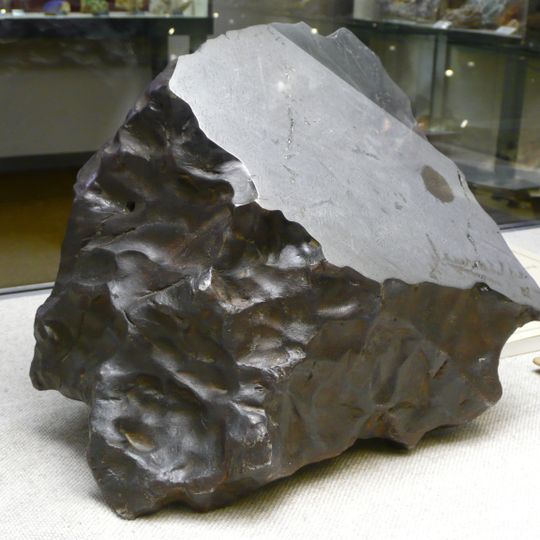
The Treysa meteorite is an iron-nickel meteorite that landed in the Rommershausener Forest near Schwalmstadt, in northern Hesse, Germany. It belongs to the octahedrite class and shows inside a pattern of fine lines called Widmanstatten figures, formed as the metal cooled slowly in space.
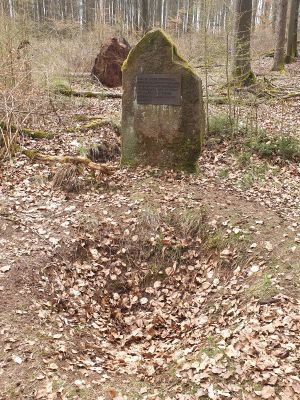
On April 3, 1916, people across the region between Marburg and Kassel saw a bright fireball in the sky and heard a loud noise like thunder. Nearly a year later, in March 1917, a forest ranger named Huppmann found a deep hole in the ground in the Rommershausener Forest, where the meteorite had buried itself.
The Treysa meteorite is on display at the Mineralogical Museum in Marburg, where visitors can see the iron rock up close. A replica is shown at the Museum of Schwalm in Ziegenhain, reflecting how much the event still means to people in the region.
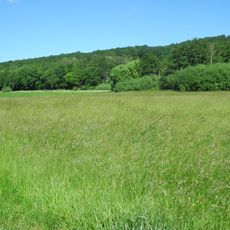
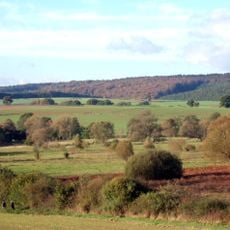
A marked path leads through the forest near Rommershausen to the impact site, where a memorial stone was placed in 1986. The meteorite itself is kept in Marburg, so a visit to both the forest site and the museum gives the full picture of the event.
Alfred Wegener, best known for his theory that continents move, used eyewitness accounts to work out where the meteorite had landed, showing a side of his scientific work that is often overlooked. The Treysa meteorite is also listed in the Guinness Book of Records as the largest meteorite in Germany with an observed fall.
The community of curious travelers
AroundUs brings together thousands of curated places, local tips, and hidden gems, enriched daily by 91,511 contributors worldwide.