Düben Castle, Medieval castle in Bad Düben, Germany
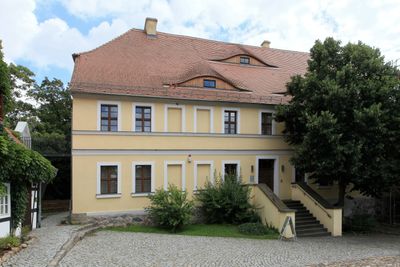
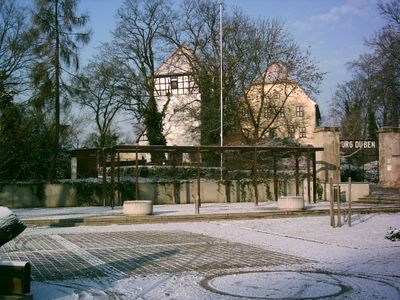
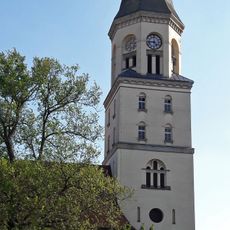
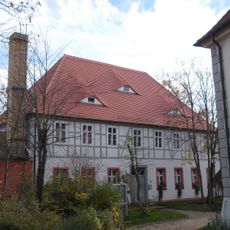
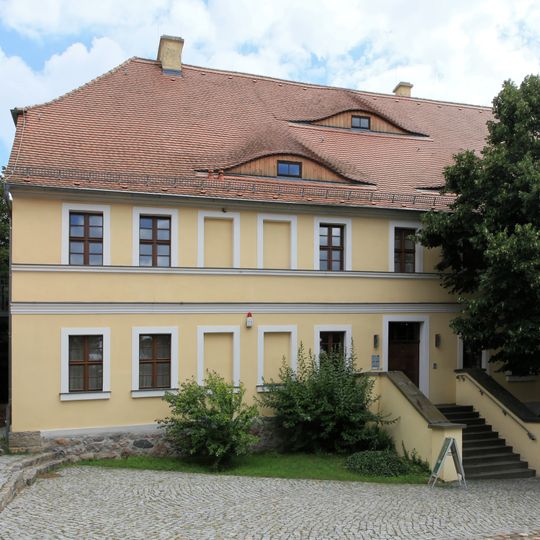
Duben Castle stands on a hilltop beside the Mulde River with a gate tower topped by half-timbered work and a staircase tower on its eastern side. Inside are multiple exhibition rooms across different levels displaying objects from various time periods.
The site was first documented in 981 under the Slavic name Dibni and served as a key point for controlling the river crossing. It played a role in regional development and securing trade routes.
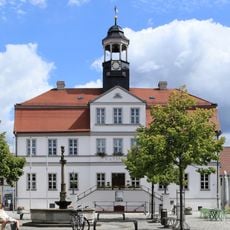
The museum in the main building was set up after the Second World War under the local historian Willy Winkler and opened in 1953. It shows exhibits on the history of the castle and town of Düben and on the economic development of the Dübener Heide. In the tower, a wall frieze by Paul Haffner was found in 2017 behind loose paint.
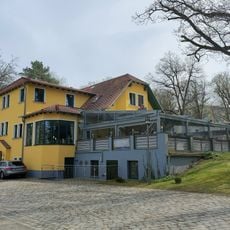
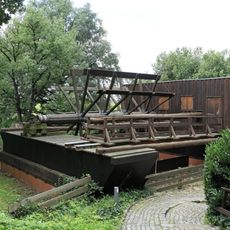
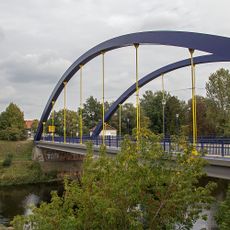
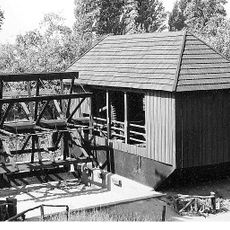
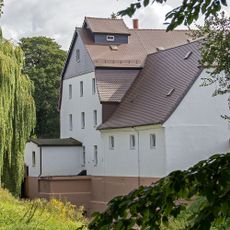
The landscape museum inside the castle was closed for renovation and was expected to reopen in April 2019; the grounds around the castle, including the Bergschiffsmühle water mill at its foot, remain walkable. The main building, the 1206 bergfried with its Hexenkeller, and the former guard's cottage, now a small café, stand close together on the hill above the Mulde. The site lies at Neuhofstraße 3, by the B 2 bridge.
Napoleon stayed at the castle from 10 to 14 October 1813 and later said he spent the worst days of his life there, uncertain of his military and political position. The castle had already served as the seat of the Saxon district office from 1530.
The community of curious travelers
AroundUs brings together thousands of curated places, local tips, and hidden gems, enriched daily by 92,668 contributors worldwide.