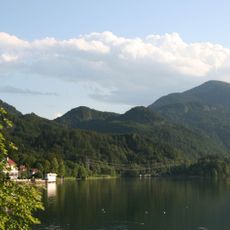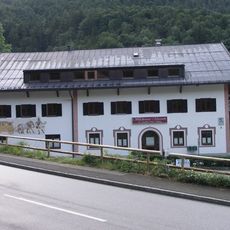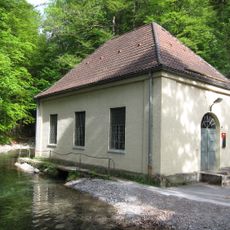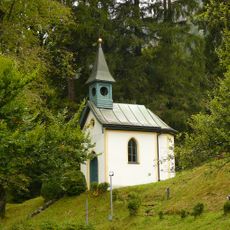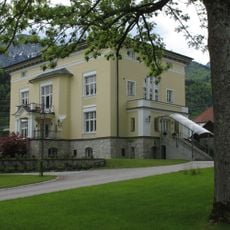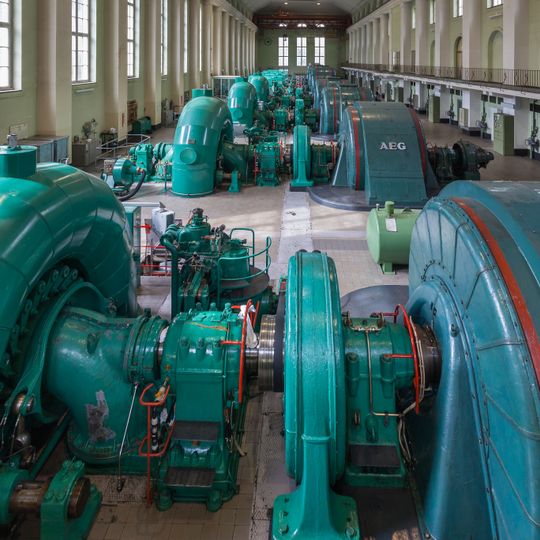
Walchensee Hydroelectric Power Station, Industrial heritage site in Kochel, Germany.
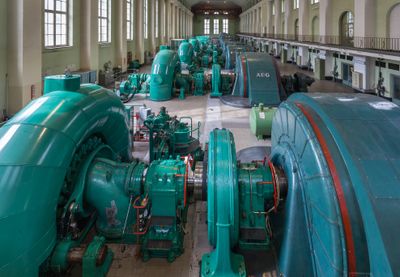
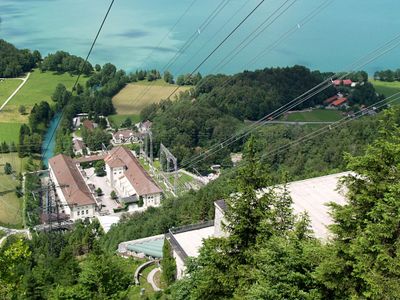
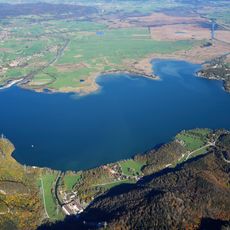
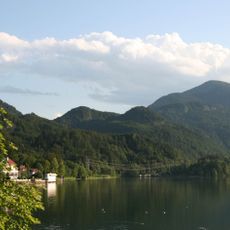
The Walchensee Hydroelectric Power Station is a water-powered facility in Upper Bavaria that converts elevation differences between two lakes into electricity. The system moves water through large pipes connecting the higher Walchensee to the lower Kochelsee, spinning turbines to generate current.
Construction took place from 1918 to 1924 as part of an early attempt to transmit electricity across long distances using overhead power lines. Engineer Oskar von Miller designed this facility to demonstrate how hydropower could serve entire regions efficiently.
The power station shaped how locals view industry and nature as part of daily life, blending technical infrastructure with the landscape. Visitors can observe how the community integrated this facility into their surroundings without erasing the natural setting.
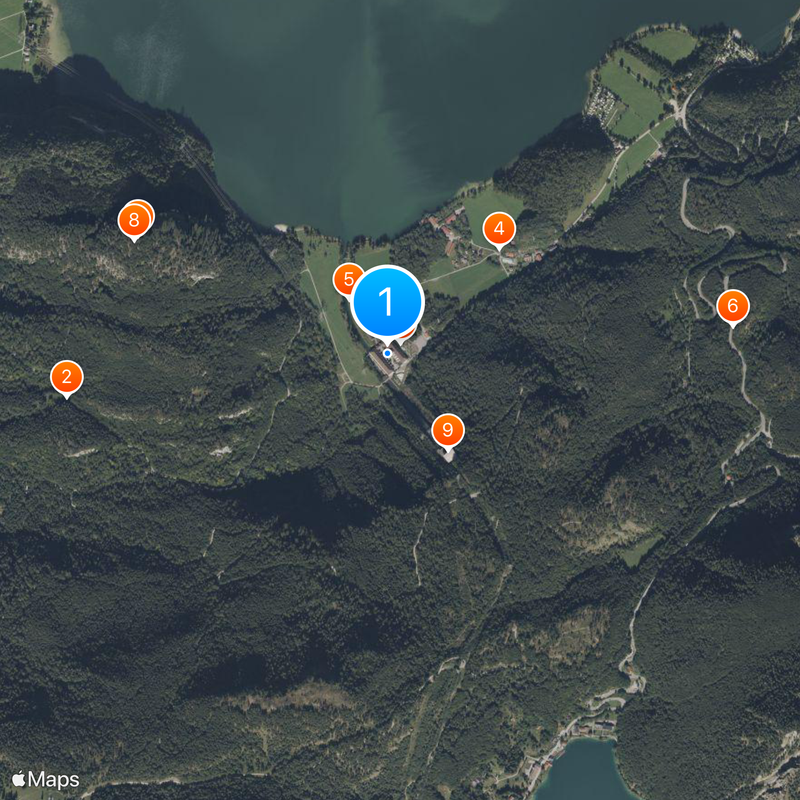
The site can be explored on foot, with the major pipes and structures visible from multiple vantage points around the facility. Guided visits are offered during warmer months and provide the most detailed access to the infrastructure.
During World War II, a wind tunnel for rocket testing was relocated to this site after bomb damage elsewhere forced the relocation. This hidden research facility demonstrates how the power station became part of wartime industrial operations.
The community of curious travelers
AroundUs brings together thousands of curated places, local tips, and hidden gems, enriched daily by 91,621 contributors worldwide.