Burgruine Breitenstein, Medieval castle ruin in Königstein, Germany.
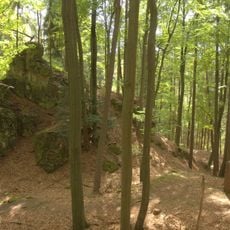
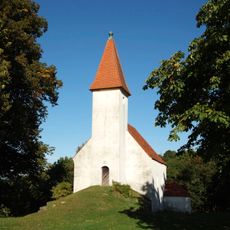
Burgruine Breitenstein is a castle ruin situated on a dolomite rock formation with steep walls dropping over 20 meters on three sides. The building remains are arranged in a horseshoe pattern around a plateau, with the double-chambered chapel being the best preserved structure.
The castle was built around 1100 by the Lords of Breitenstein and first mentioned in 1279 with Heinrich von Breitenstein. In 1356 the family placed itself under Emperor Charles IV, making the castle an imperial fief later pledged to Duke Stephan of Bavaria. When the line died out in 1666, the lordship passed to the Duchy of Sulzbach and the castle fell into decay; in the 18th century it was used as a quarry.
The chapel is dedicated to the Holy Trinity and to Saint John of Nepomuk. In 1713 Eleonore, wife of Duke Theodor Eustach of Sulzbach, had it renovated, and the former entrance to the main castle was walled up through the chapel's lower floor. The damaged chapel was restored again in 1973–74.
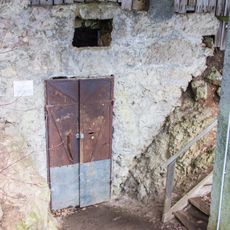
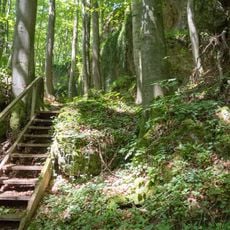
The ruin stands at about 612 metres above sea level above the Königstein district of Breitenstein. The former main approach ran through the lower floor of the chapel, which now blocks that entrance; the stairway to the upper chapel and the gate to the small outer bailey are built over. Only low wall remnants of the outer bailey and ring wall survive, so watch your footing.
The chapel features two separate prayer rooms on different levels, making it an unusual architectural feature. This double design shows a specific religious function that was served at this location for centuries.
The community of curious travelers
AroundUs brings together thousands of curated places, local tips, and hidden gems, enriched daily by 94,646 contributors worldwide.