Burg Tittmoning, Medieval castle in Tittmoning, Germany
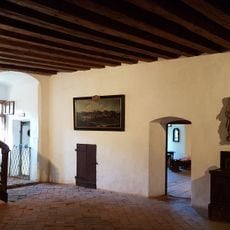
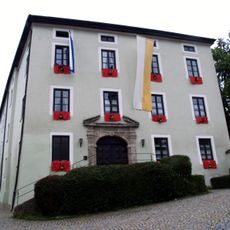
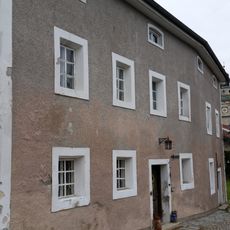
Burg Tittmoning is a medieval castle set on a hill above the town of Tittmoning in Bavaria, with thick stone walls, several courtyards, and narrow internal passages. Parts of the buildings now serve as museum rooms, while the overall structure retains its original stone and timber character.
The castle was probably built in the 12th or 13th century by the local lords of Titmoningen, though this is uncertain. Its first documentary mention comes with its acquisition by the Archbishopric of Salzburg under Archbishop Eberhard II, as a border fortification against Bavaria. In 1324 Wulfing von Goldegg opened town and castle to Emperor Ludwig the Bavarian, who destroyed the castle; it was sold back to Salzburg in 1327. From 1614 to 1621 Santino Solari rebuilt it as a hunting lodge for Archbishop Markus Sittikus, and in 1805 a fire under French occupation destroyed the bergfried.
The Museum Rupertiwinkel, housed inside the castle, displays traditional clothing, woodwork, and religious objects from the surrounding region. The collection gives a clear sense of how everyday life was organized in this part of Bavaria.
The castle is open from May through October, with guided tours available at set times during that period. The hilltop location means visitors will encounter stairs and slopes throughout the site.
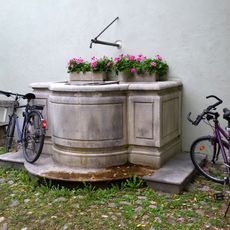
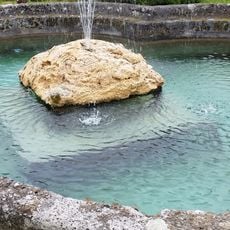
The museum in the castle holds Bavaria's largest collection of shooting targets, painted discs from 1600 to 1930. It also keeps works by the Tittmoning artist Johann Baptist Cetto. The castle's oldest surviving parts are two cross vaults in the ground floor of the Kavalierstock and the well in front of the Küchenstock.
The community of curious travelers
AroundUs brings together thousands of curated places, local tips, and hidden gems, enriched daily by 94,065 contributors worldwide.