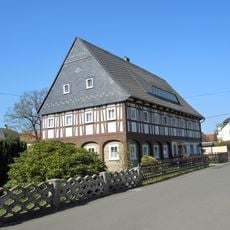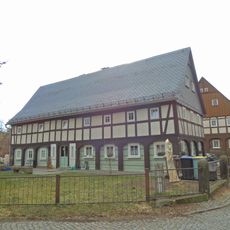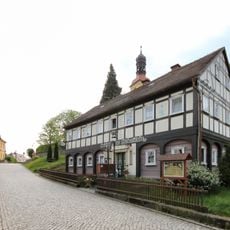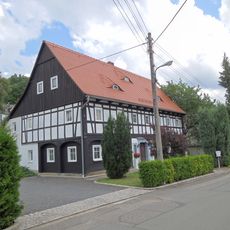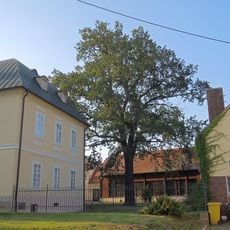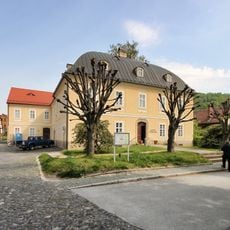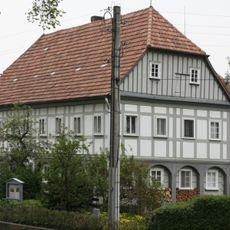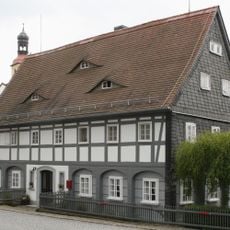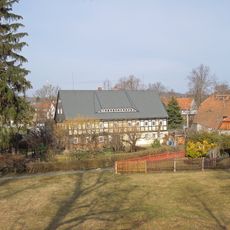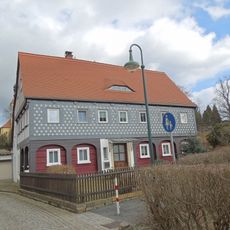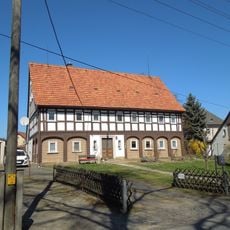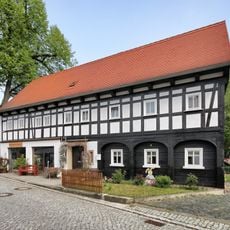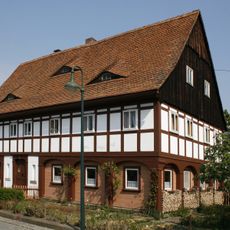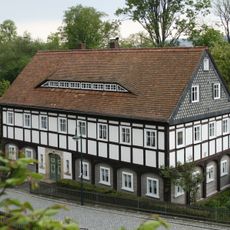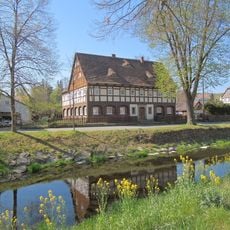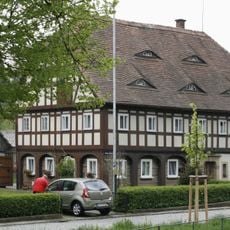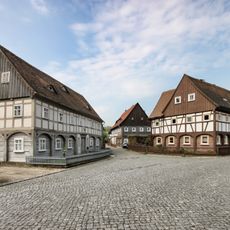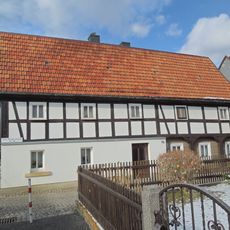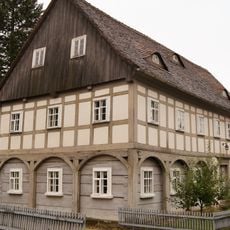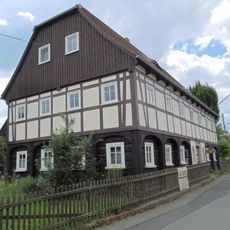
German Museum of damask and terry toweling, Textile manufacturing museum in Großschönau, Germany.
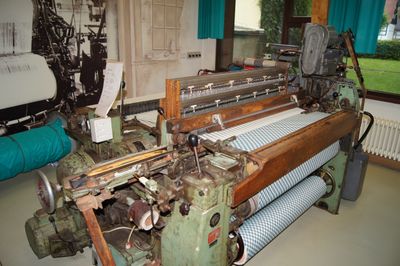
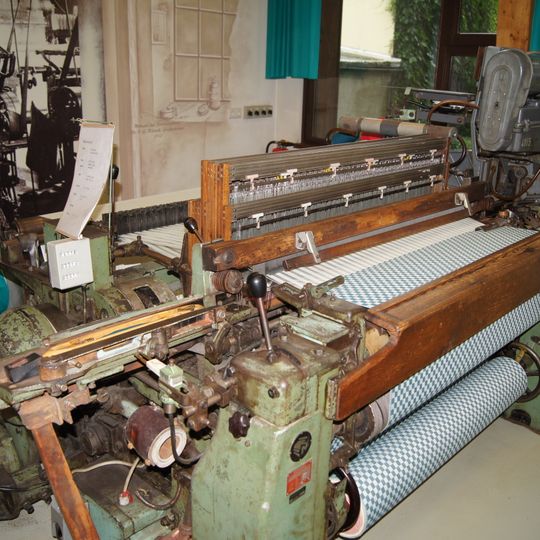
This facility houses a large collection of looms, production equipment, and thousands of fabric samples displayed across multiple exhibition halls. The rooms demonstrate all the steps involved in creating damask and terry cloth fabrics.
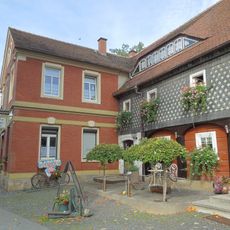
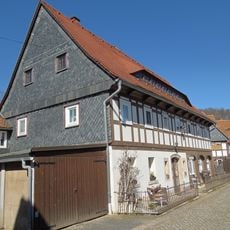
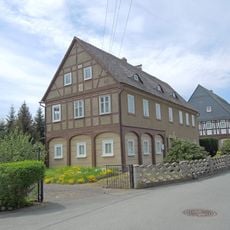
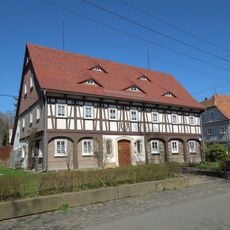
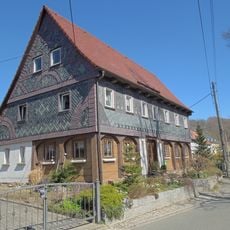
The museum opened on 15 January 1905 as the Krumbholzmuseum in two rooms of the Neue Schule on Kirchstraße. In 1937 Theodor Haebler donated the Kupferhaus, built 1807–1809 for damask manufacturer Christian David Waentig, on condition a museum be set up there; it opened on 11 May 1947 as the Damast- und Heimatmuseum. In 1996, after a new building for rescued textile machines, it was renamed Deutsches Damast- und Frottiermuseum.
The museum shows how textile manufacturing shaped the lives and identity of people in Großschönau over generations. The exhibits demonstrate the important role this craft played in the economic development of the entire region.
Plan your visit by checking opening hours ahead of time, as they vary between seasons. It is helpful to allow enough time to explore the different exhibition halls comfortably.
The museum keeps a reconstructed 1835 hand damask loom with a draw mechanism and the last working hand terry loom in Germany. Since 2020 a display-window museum at the Großschönau municipal office shows a horsehair damask loom rebuilt by the support association, plus a cherrywood seating set covered in horsehair damask woven on it.
The community of curious travelers
AroundUs brings together thousands of curated places, local tips, and hidden gems, enriched daily by 94,644 contributors worldwide.