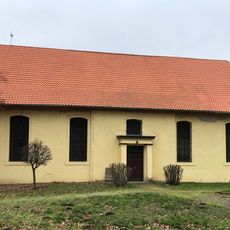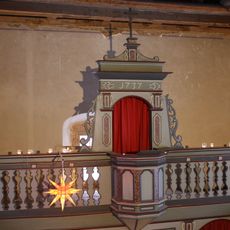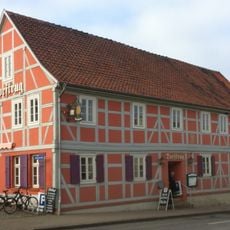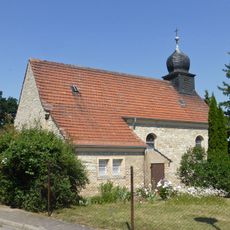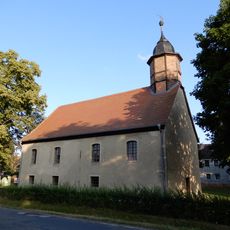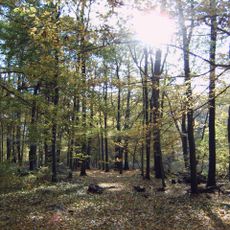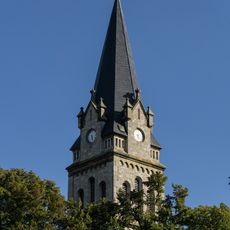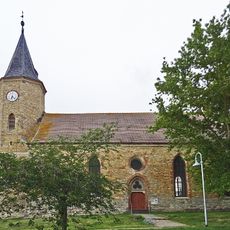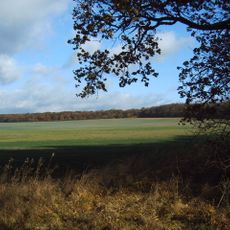
Domburg im Hakel, Medieval castle ruin in Selke-Aue, Germany.
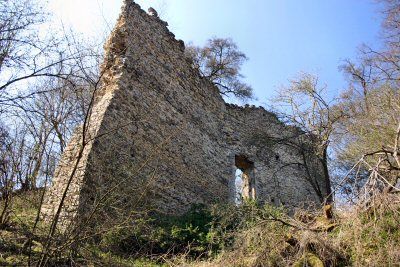
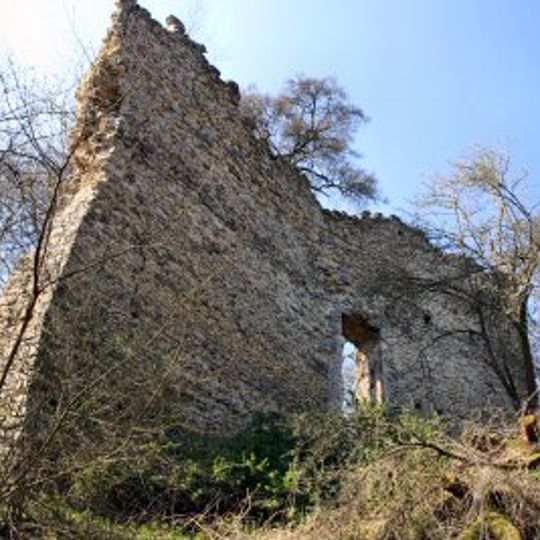
Domburg im Hakel is a castle ruin located in the Selke-Aue valley, where stone walls stand among forest paths and reveal sections of former structures. The remaining sections show defensive architecture and how the fortress was constructed centuries ago.
The Domburg was first documented in 1310 as the property of Ludolph von Knesebeck, whose family was said to raid from it along the old Leipzig–Lüneburg road. In 1367 troops of Bishop Albert III of Halberstadt and the towns of Aschersleben, Halberstadt and Quedlinburg besieged and took it. It then passed to the bishops of Halberstadt, served repeatedly as a pledge, and was already abandoned in the 15th century.
The ruins show how people built their defenses in this region during medieval times, reflecting local construction traditions. Visitors can observe the stone structures and understand the building methods that shaped settlements throughout the Harz area.
The ruins are accessible through marked hiking trails that wind through forests and natural terrain. Wear sturdy shoes and be aware that trail conditions change with the seasons.
The north wall keeps a narrow rectangular doorway built so a mounted, armoured rider could pass into the courtyard without dismounting. The ruin's ten-metre fieldstone wall and its moat survive, and the site is recorded as a Bodendenkmal in the local monument register.
The community of curious travelers
AroundUs brings together thousands of curated places, local tips, and hidden gems, enriched daily by 93,378 contributors worldwide.