Kloster Gnadenthal, Medieval monastery in Hünfelden, Germany
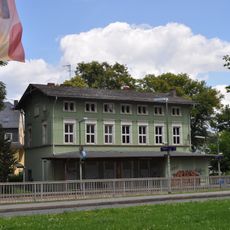
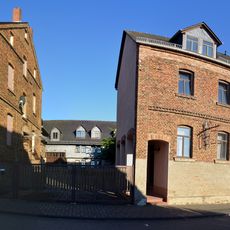
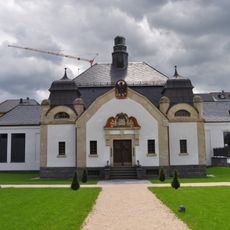
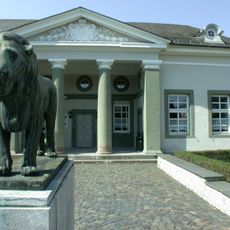
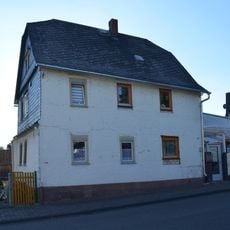
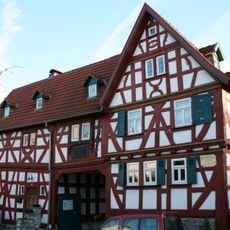
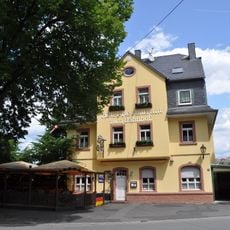
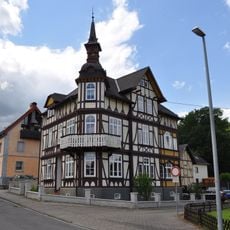
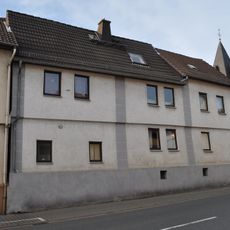
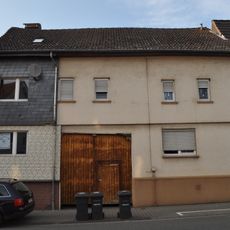
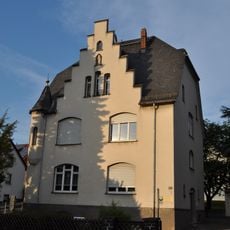
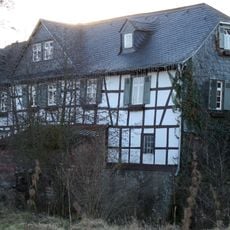
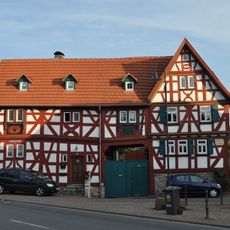
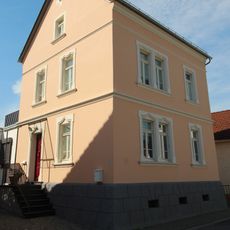
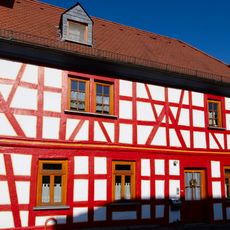
Kloster Gnadenthal is a monastery complex in Hünfelden, in the German state of Hesse, made up of a church, residential buildings, guest houses, an art gallery, and farm buildings. The whole ensemble forms a self-contained community where religious life, cultural activity, and farming exist side by side.
The monastery was founded in 1235 as a Cistercian convent under the Latin name Vallis Gratiae. In the 16th century the community adopted Protestantism, and in 1969 it reopened as an ecumenical center welcoming people from different faith traditions.
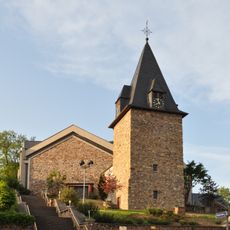
The Latin name Vallis Gratiae, rendered in German as Gnadenthal, means valley of grace. The 13th-century church is an official Radwegekirche on the Ems- and Wörsbach-valley cycling loop. At the village square, the Klosterladen with its art gallery and a café sit beside the church. The Jesus-Bruderschaft, an ecumenical community of celibate brothers and sisters and families, shapes daily life around prayer and work.
The grounds are open to visitors who can walk around freely, browse the on-site shop, and buy farm products made by the community. Those who want to stay longer can book a room in one of the guest houses, though it is worth arranging this in advance.
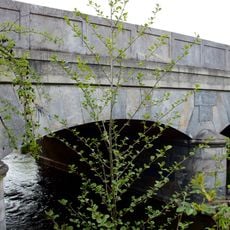
The 13th-century monastery church is an official Radwegekirche (cycle-route church) on the circular Ems- and Wörsbachtal bike tour. The route passes the former monastic grounds, where the Wörsbach stream flows northwest through the site.
The community of curious travelers
AroundUs brings together thousands of curated places, local tips, and hidden gems, enriched daily by 93,895 contributors worldwide.