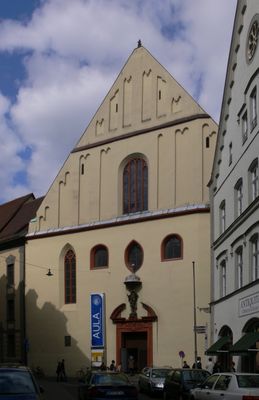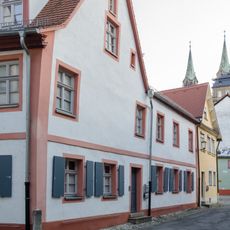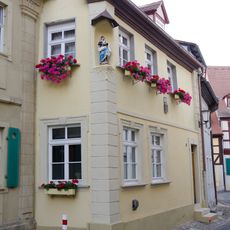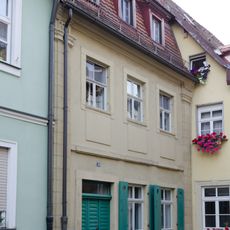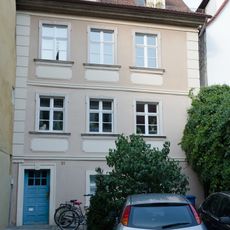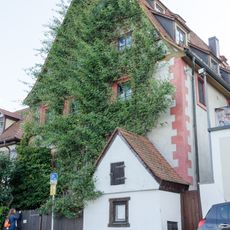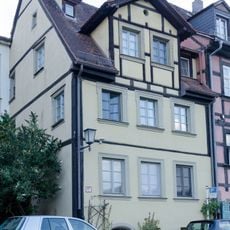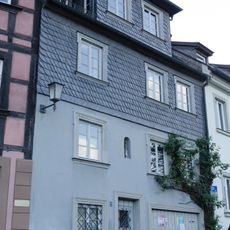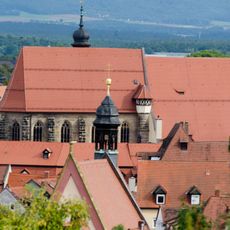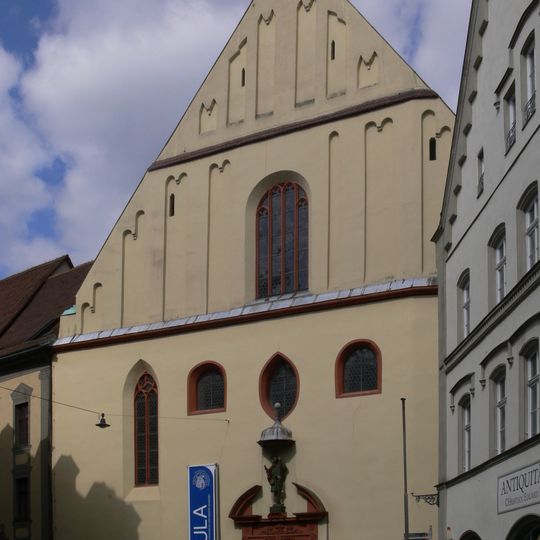
Dominikanerkloster Bamberg, Medieval Dominican monastery in Bamberg, Germany.
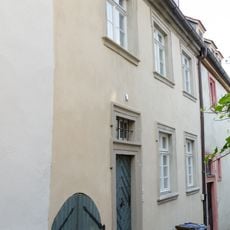
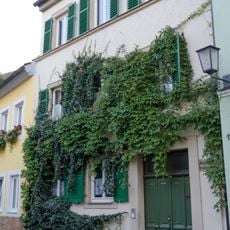
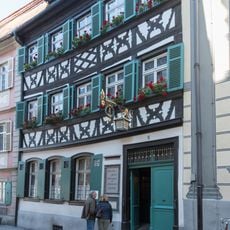
The Dominican monastery is a complex with a church, cloister, and extended convent buildings that developed over several centuries. The site spreads along the Regnitz River and includes a cloister containing 42 burial plates along with other spaces for monastic life.
Bishop Wulfing von Stubenberg, a Dominican himself, brought the order to Bamberg in 1304; it first settled near the Nikolauskapelle. In 1310 the order received permission to build the monastery. Land purchases in the 17th century gave the complex its still-recognizable extent. The monastery was dissolved in the secularization; monks could remain until 1806, and from 1804 the buildings served as barracks until 1912.
The church now functions as a venue for the University of Bamberg while retaining its original religious architectural character. Visitors can still experience the spatial design and burial monuments that reflect the site's spiritual importance.
The site sits along the Regnitz River in central Bamberg and is reachable on foot. Visitors should know that parts of the complex are now used by the State Building Authority and may not always be fully open to the public.
The cloister was built under Prince-Bishop Georg I von Schaumberg (1459–1475), whose coat of arms appears on a keystone. Dendrochronology shows the roof timbers were felled between 1460 and 1463, and 42 grave slabs of deceased members of the order remain in the cloister.
The community of curious travelers
AroundUs brings together thousands of curated places, local tips, and hidden gems, enriched daily by 94,932 contributors worldwide.