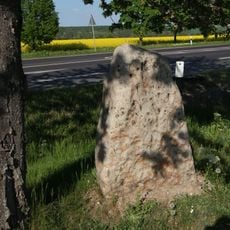
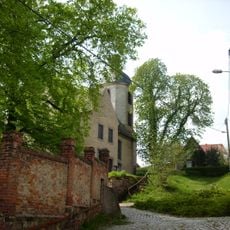
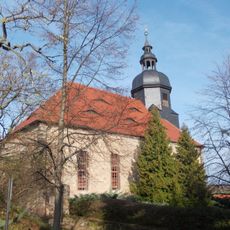
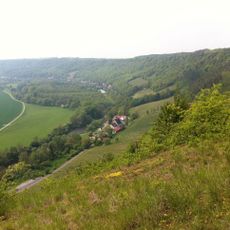
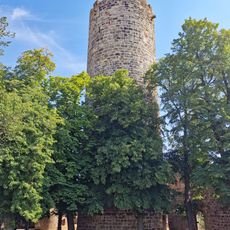
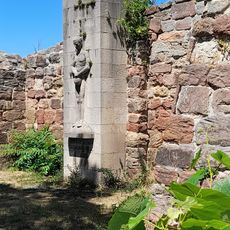
Familiengräber von Eulau, Stone Age family graves in Naumburg, Germany
The Eulau family graves contain the remains of 13 people - two men, three women, and eight children - discovered in four burial groups. They date to the Corded Ware culture and show unusual arrangements of skeletons, with multiple generations of a family lying close together.
These graves date back about 4400 years to the Corded Ware culture, an Indo-European society that was widespread in this region. Archaeological evidence points to violent deaths, suggesting the family died during some form of conflict.
The burial site shows how people of that time placed personal belongings with the dead, such as tools, jewelry made from animal bone, and everyday objects. These items tell us about the roles and activities that men, women, and children had in that society.
Three of the four original burial groups are now on display at the State Museum of Prehistory in Halle, where visitors can view the finds in a climate-controlled exhibition space. The museum provides explanatory panels and is easily accessible, making it comfortable to study the archaeological remains.
Genetic analysis revealed that these people belonged to one of the oldest documented nuclear families in archaeological records, with parents and children buried together. These DNA studies allowed researchers to directly confirm the family relationships between the deceased.
The community of curious travelers
AroundUs brings together thousands of curated places, local tips, and hidden gems, enriched daily by 91,020 contributors worldwide.