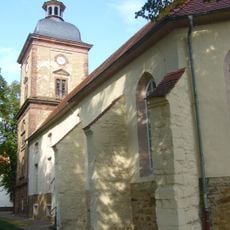
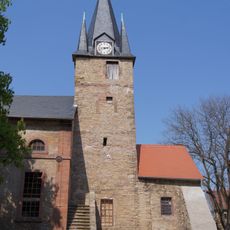
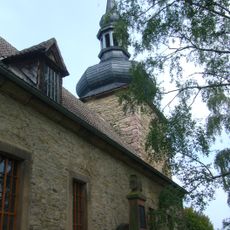
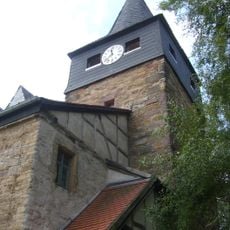
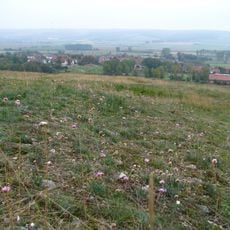
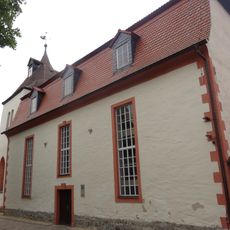
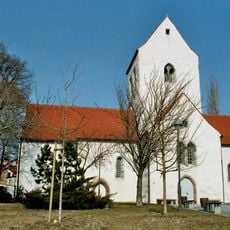
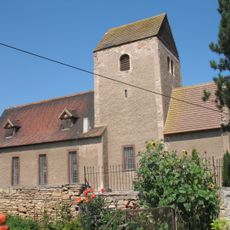
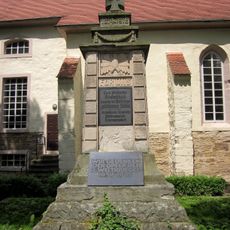
Ritteburg, Water castle in Kalbsrieth, Germany.
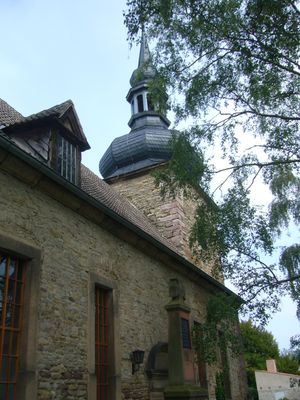
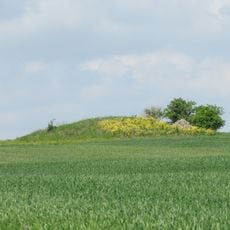
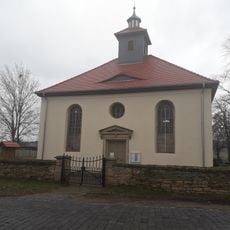
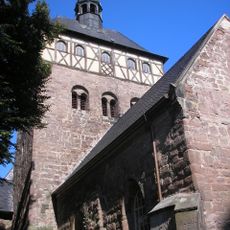
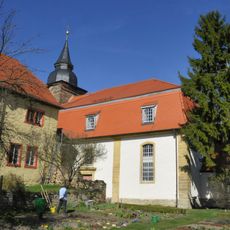
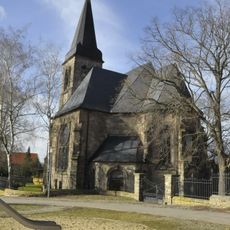
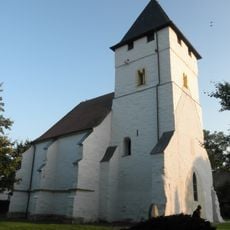
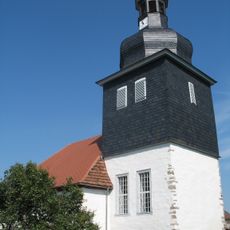
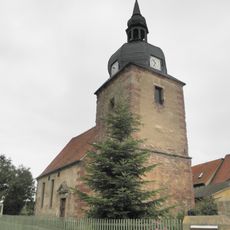
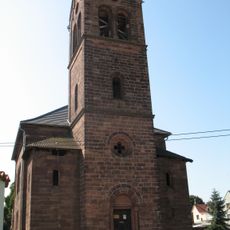
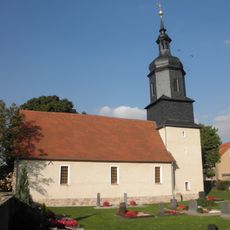
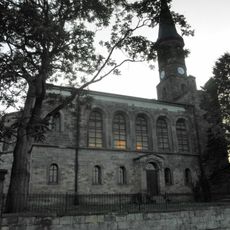
Ritteburg is a former water castle site near the southern bank of the Unstrut in the Kalbsrieth district of Thuringia. The castle was probably built as early as the 8th century to control and secure the Unstrut crossing, and it was already mentioned in the Hersfeld tithe register. No visible remains of the castle are known today; only the church of St. Jakobus stands as a landmark of the village.
Ritteburg was first documented on 1 June 932, and German kings stayed there in 932 and 972. The water castle is thought to have been built in the 8th century to guard the Unstrut crossing and was already listed in the Hersfeld tithe register. In 1000 the site was given to the Archbishop of Magdeburg; the location is also considered a possible site of the 933 Battle of Riade.
The name preserves the memory of a once-important defensive stronghold that guarded river passage in medieval times. Its location reveals how communities built protection into their choice of settlement sites.
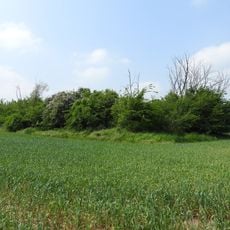
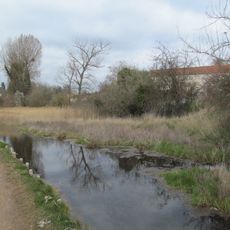
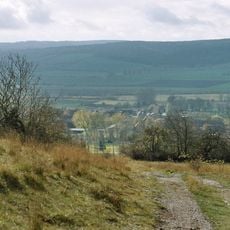
No physical structures remain at the site today, though the location is accessible from nearby roads and offers views of the river valley. Visitors can walk the area to understand the natural features that made it strategically valuable for defense.
Historians consider this location a possible site of the Battle of Riade in 933, a major German victory against Hungarian forces that marked a turning point in early medieval European history. The strategic positioning near the river may have been crucial to the outcome.
The community of curious travelers
AroundUs brings together thousands of curated places, local tips, and hidden gems, enriched daily by 94,257 contributors worldwide.