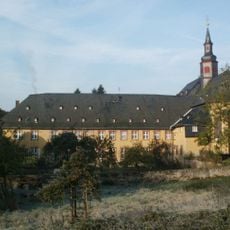
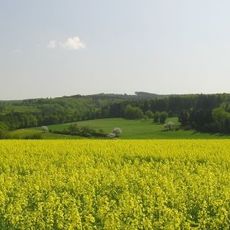
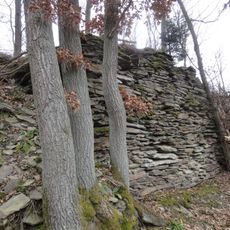
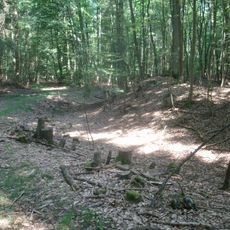
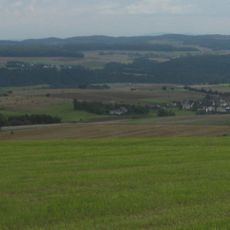
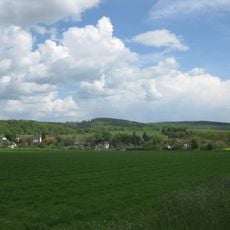
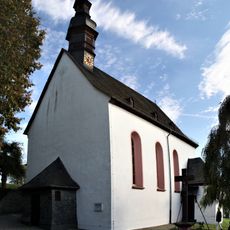
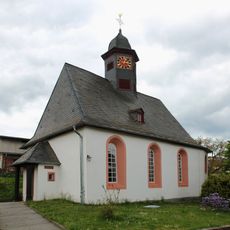
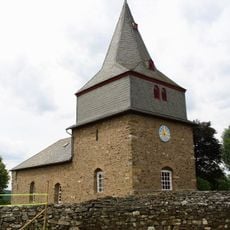
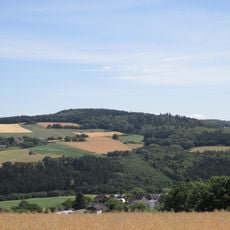
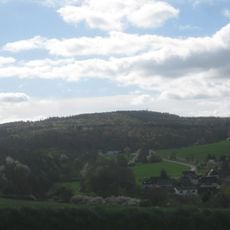
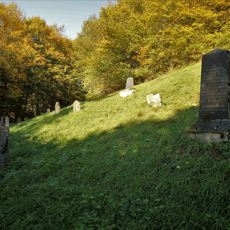
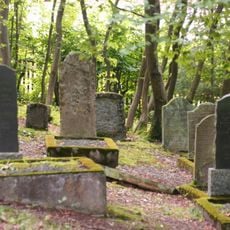
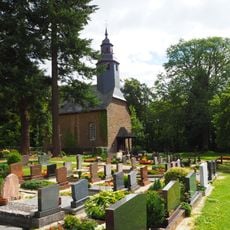
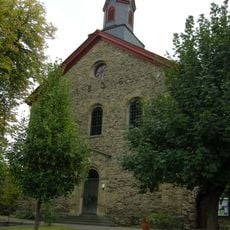
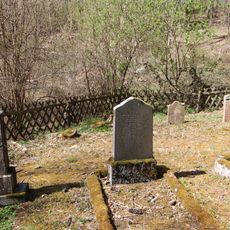
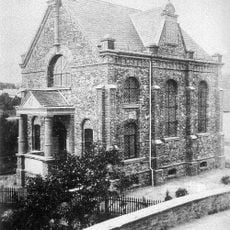
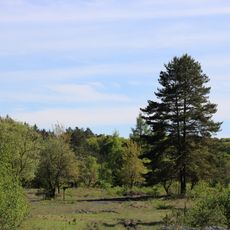
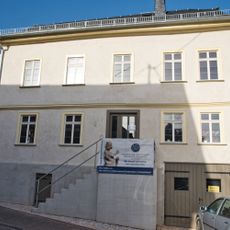
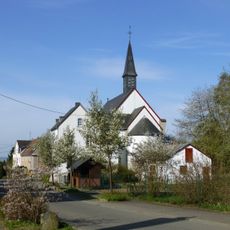
Gronau, Medieval monastery in Grebenroth, Germany.
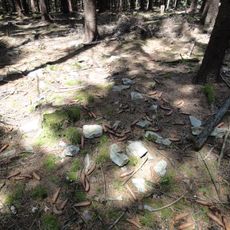
Gronau is a former Benedictine monastery in Grebenroth, founded around 1130 by monks from Michaelsberg Abbey in Siegburg. Within the enclosure wall stood 19 buildings; a tithe barn was added in 1549. After the Thirty Years' War the ruins were dismantled for building material, leaving only a few foundation walls.
The monastery was founded around 1130 by the counts of Katzenelnbogen as a Benedictine community and served religious purposes for centuries. It was converted into a hospital in 1542 and later became a manor estate.
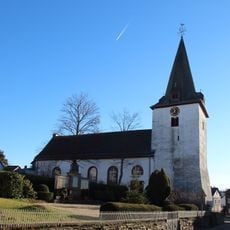
The monastery church served worship until 1813, long after the monks left in 1537. The name Gronau derives from "Grunowe" (green meadow), first recorded in 1252. Since 2001 a local association ("Kultur im Kloster e. V. i.G.") has organised occasional cultural and entertainment events in the former monastic estate.
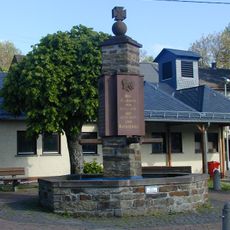
The site now houses a bistro and beer garden where visitors can eat and drink while enjoying the historical setting. The grounds are freely accessible and offer a peaceful location with parking available nearby.
In 1542 the monastery owned 391 acres of farmland, gardens and meadows, vineyards on the Rhine, 60 woodland plots, four mills and estates in 42 villages; 19 buildings stood inside the perimeter wall. After the Thirty Years' War the ruined hospital's income went to Haina, and the site became a leased farm, worked until 1984.
The community of curious travelers
AroundUs brings together thousands of curated places, local tips, and hidden gems, enriched daily by 94,476 contributors worldwide.