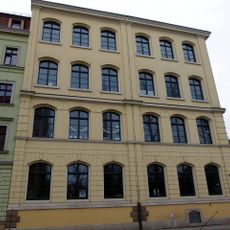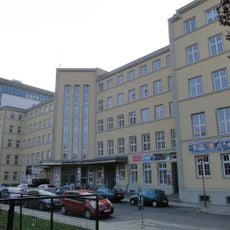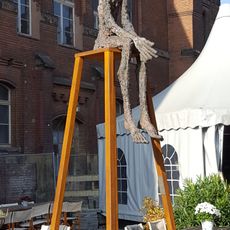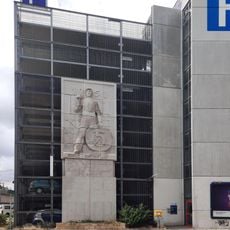
Dresdner Energiemuseum, Energy museum in industrial district, Dresden, Germany
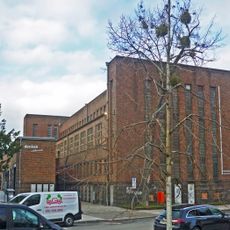
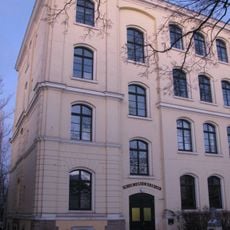
The Dresdner Energiemuseum is housed in a former power plant and presents the history of energy supply with original machines, instruments, and equipment from different decades. The exhibition documents how gas, electricity, water, and district heating systems were developed and how they operate.
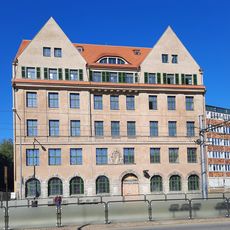
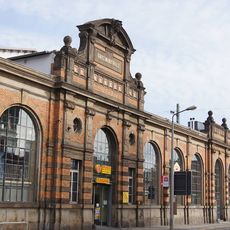
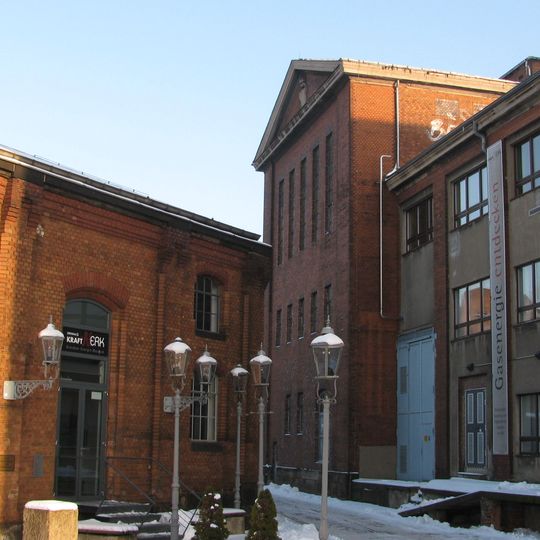
A gasworks stood on this site before a Lichtwerk (lightworks) was built in 1895. Paul Wolf extended it into the Heizkraftwerk Mitte in 1926–1928 as a steel-frame building clad in red clinker brick. It operated until 1994, latterly as the Westkraftwerk. The electricity exhibition opened in July 2002, was destroyed by the Weißeritz flood that August, and reopened with the gas exhibition on 5 April 2003.
The museum displays how gas, electricity, water, and district heating shaped the city and reveals the development of systems that remained invisible in daily life for a long time. Throughout the exhibition spaces, visitors see the equipment and pipes that powered this infrastructure and enabled the city's industrial growth.
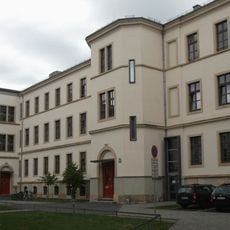
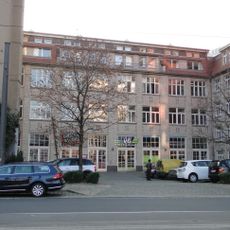
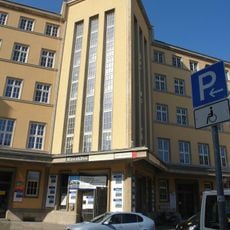
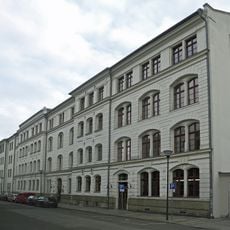
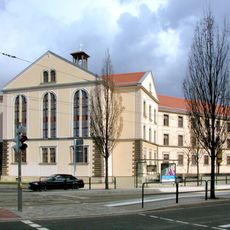
The museum occupies the ground floor and upper floor of the former mechanical workshop; the electricity display fills three ground-floor rooms of about 400 square metres, while the gas, water and district heating sections are upstairs. It closed from September 2018 to March 2019 for fire-safety work and reopened on 6 March 2019. The site lies between Könneritzstraße, Schweriner Straße and Wettiner Platz, near Dresden Mitte station.
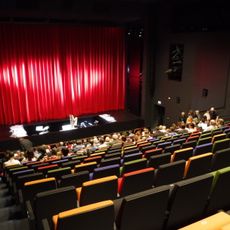
The gas exhibition opened on 5 April 2003, timed to the 175th anniversary of public gas supply in Dresden, which dates from the first gas lanterns on Schlossplatz in 1828. The upstairs 360-degree cinema shows a 25-minute 3D multimedia show on that history, and the adjoining study room is furnished after Rudolf Sigismund Blochmann, a pioneer of German gas lighting.
The community of curious travelers
AroundUs brings together thousands of curated places, local tips, and hidden gems, enriched daily by 92,834 contributors worldwide.