Kloster Marienfließ, Cistercian monastery in Stepenitz, Germany
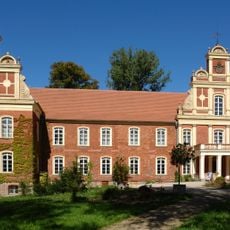
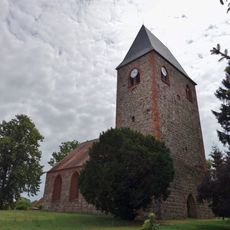
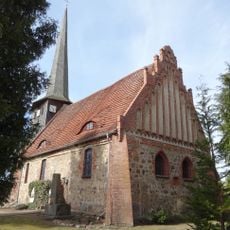
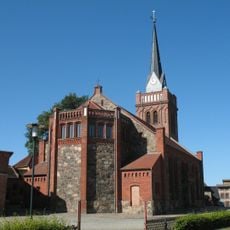
Kloster Marienfließ is a Cistercian monastery in Brandenburg with a church built from brick and mixed masonry. The church features two portals decorated with dual-colored glazed bricks that date to the 13th century.
Johann Gans zu Putlitz founded the monastery in 1231 as one of the earliest Cistercian convents in the Prignitz region. It developed into an important religious and economic center for the surrounding area.
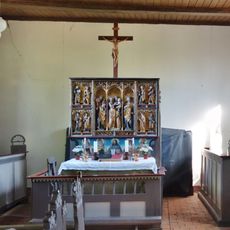
The monastery church displays coats of arms and memorial stones from local noble families who lived in the region. These monuments reflect the deep connection between the monastery and the surrounding nobility throughout the centuries.
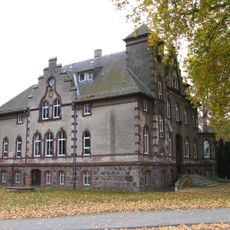
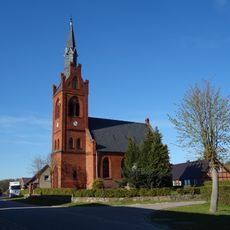
The former convent grounds now serve as a Protestant nursing home run by the diaconal elderly care service, so the buildings are not open to tourists as a hotel. The brick church from the 13th century stands in a park-like area beside the Stepenitz river. The site lies in the Stepenitz district of Marienfließ, about 6 km west of Meyenburg near the A24 motorway exit.
The founding legend holds that Emperor Otto IV received a blood relic said to contain drops of Christ's blood, later entrusted to Johann Gans zu Putlitz and kept by the nuns in a niche in the choir, where an eternal light burned. The relic was first documented in 1369.
The community of curious travelers
AroundUs brings together thousands of curated places, local tips, and hidden gems, enriched daily by 93,638 contributors worldwide.