Wenigumstadt, Historic village district in Großostheim, Bavaria, Germany.
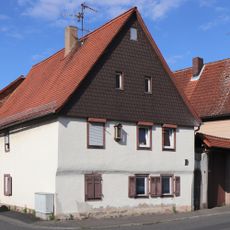
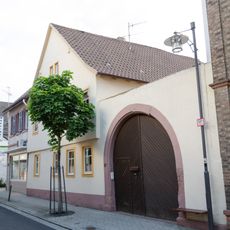
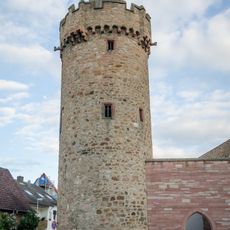
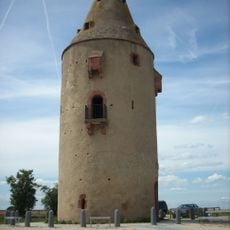
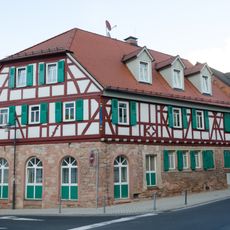
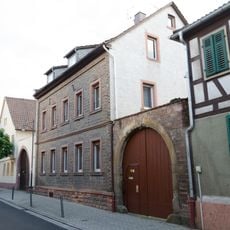
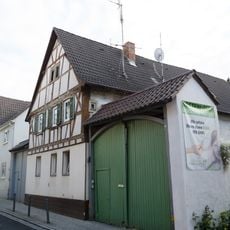
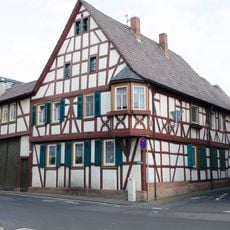
Wenigumstadt is a rural village situated at an elevation of 155 meters on the eastern edge of the Odenwald in Bavaria's Lower Main region, featuring traditional timber-frame houses and agricultural landscapes that reflect centuries of German village life.
First documented in 1229 as villa Omestad minor, Wenigumstadt has archaeological evidence of human settlement dating back over 7,000 years, with the area severely depopulated during the Thirty Years' War before being resettled by Walloon immigrants from 1651 onwards.
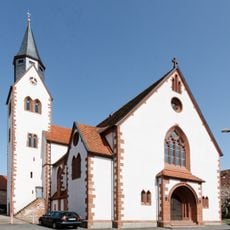
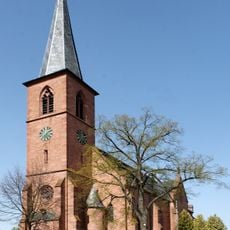
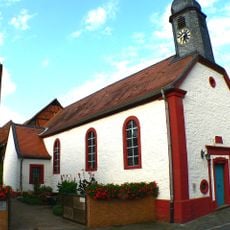
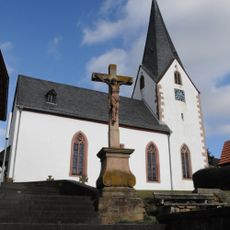
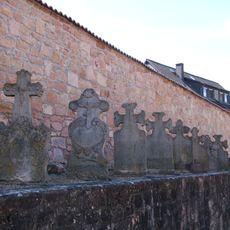
The village preserves significant cultural heritage through its baroque St. Sebastian Church built around 1900-1902, containing late Gothic artworks including a panel painting of the Fourteen Holy Helpers and a Madonna from the late 15th century.
Located near federal roads B469 and B26 with access to Autobahn A3, Wenigumstadt connects to the regional transportation network through local bus services to Aschaffenberg, though passenger train service ended in 1974.
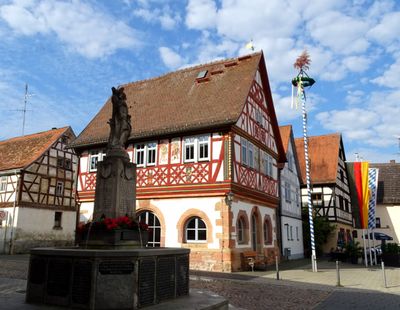
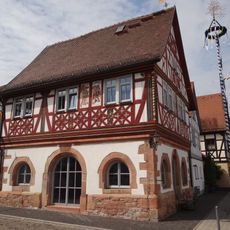
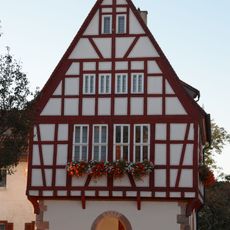
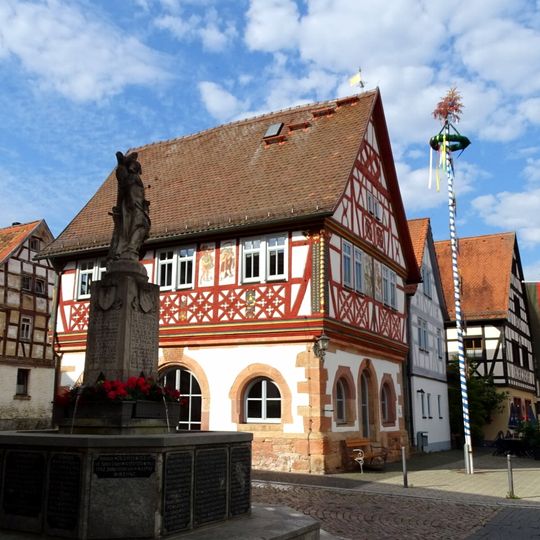
The village features a historic town hall from 1584, one of the oldest timber-frame buildings in the region, alongside preserved World War II bunkers that now serve as memorial sites commemorating the area's wartime history.
The community of curious travelers
AroundUs brings together thousands of curated places, local tips, and hidden gems, enriched daily by 60,000 contributors worldwide.