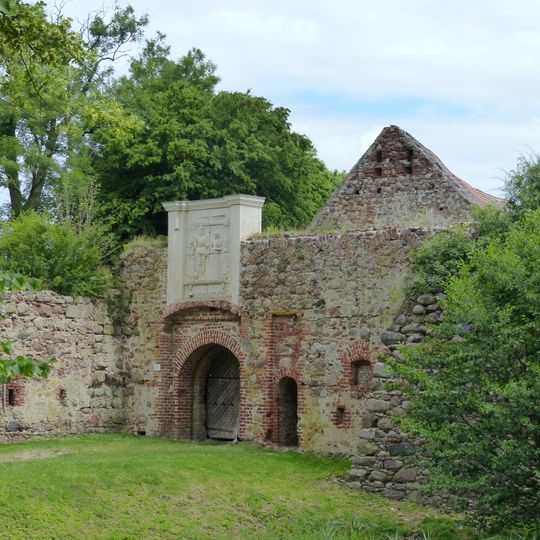
Spantekow Fortress, Renaissance fortress in Spantekow, Germany
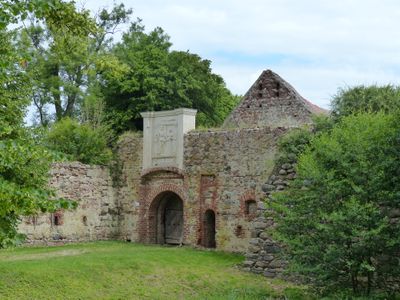
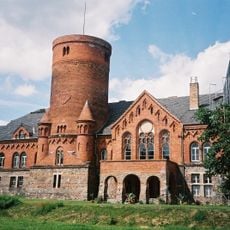
Spantekow Fortress is a Renaissance-era fortress that spans several hectares and is surrounded by a water-filled moat. The structure features an irregular square layout with a distinctive gatehouse serving as the main entrance.
Ulrich von Schwerin, grand court master, and his wife Anna von Arnim had the main building erected between 1558 and 1567; the castle was later expanded into a fortress. In 1677 Brandenburg troops besieged and took Spantekow, and Elector Frederick William ordered the ramparts blown up. The estate returned to the von Schwerin family in 1833 after 199 years in Prussian hands.
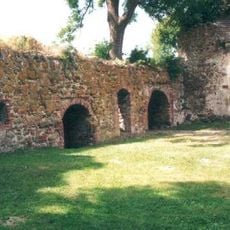
The name Veste Spantekow refers to the fortified complex begun in 1558 by Ulrich von Schwerin and his wife Anna von Arnim. The gate access south of the site was deliberately angled, with a side door into the casemates, so attackers could not fire straight through. The casemates' bricks are mostly in the early German monastery format, indicating they were salvaged from the old castle ruin.
The site lies in the village of Spantekow, southwest of Anklam, and covers about four hectares. The moat still holds water and surrounds the whole complex, so the walls and casemates are best seen from the outer bank. The gate access south of the complex is deliberately winding, with a side door into the casemates.
The brick of the casemates is mostly in the early German monastery format, indicating it was salvaged from the old castle ruin. The gate access south of the complex is deliberately winding, with a side door, so attackers could not fire straight through it. The casemates now serve as a winter roost for bats and are protected as the FFH area Wasserburg Spantekow.
The community of curious travelers
AroundUs brings together thousands of curated places, local tips, and hidden gems, enriched daily by 94,744 contributors worldwide.