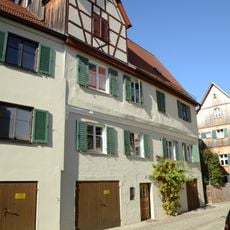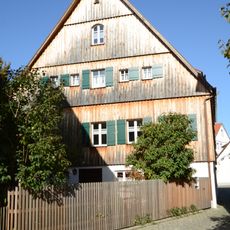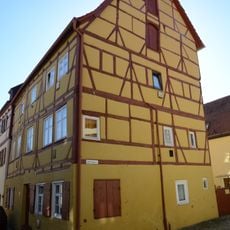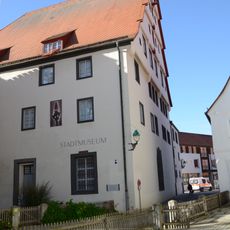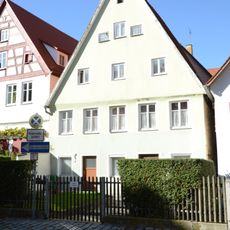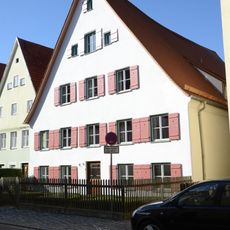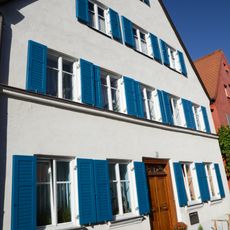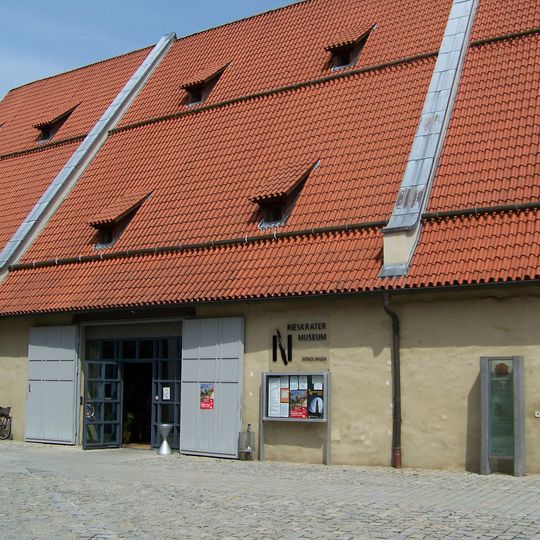
Rieskrater Museum, Geology museum in Nördlingen, Germany
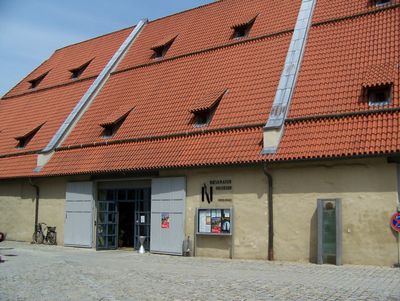
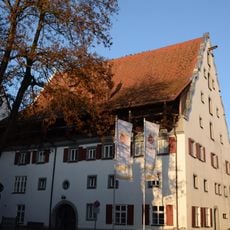
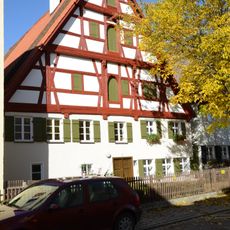
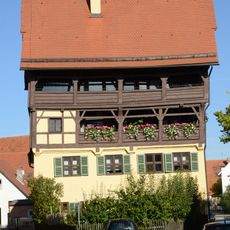
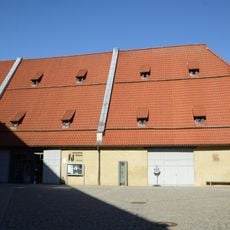
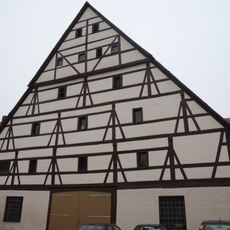
Rieskrater Museum occupies a restored 16th-century barn and displays meteorites, fossils, and rock formations from the Nördlinger Ries impact crater. The exhibitions show the evidence of the impact and the geological materials that resulted from this ancient event.
The crater formed around 15 million years ago when an asteroid roughly 1 kilometer (3,300 feet) across struck Earth at this location. The museum was established in 1990 to document this cosmic event and its lasting impact on the region.
The museum is run by the town of Nördlingen and belongs to the Bavarian State Natural Science Collections network. It opened on 6 May 1990 on the initiative of Wulf-Dietrich Kavasch, then chairman of the Rieser Kulturtage. Since the Middle Ages, local builders have used Suevit, the impact rock also called Schwabenstein, in churches such as St. Georg in Nördlingen.
The museum is fully accessible for wheelchair users throughout the exhibition spaces. Visitors should allow enough time to explore the geological displays and explanatory materials at a comfortable pace.
The Moon rock on display is a 164-gram fragment collected during Apollo 16 in 1972, lent by NASA because the Ries crater was used to train Apollo 14 astronauts. It sits at the end of the tour, next to an impact breccia resembling local Suevit.
The community of curious travelers
AroundUs brings together thousands of curated places, local tips, and hidden gems, enriched daily by 94,177 contributors worldwide.