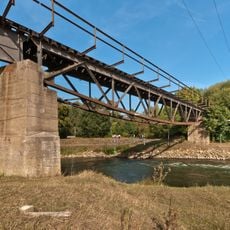
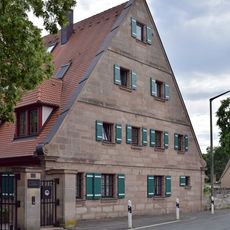
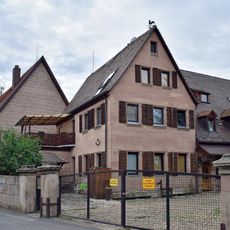
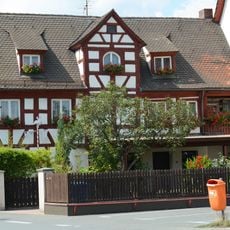
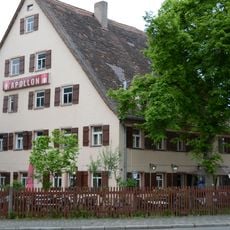
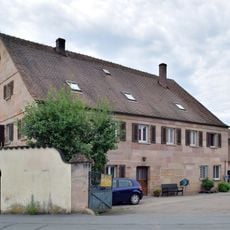
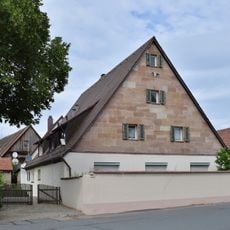
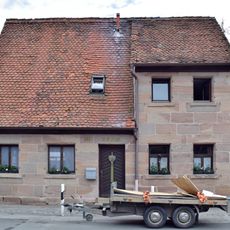
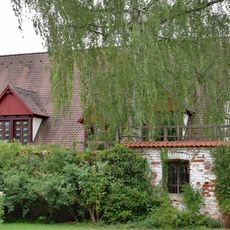
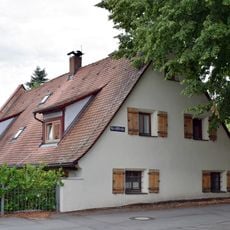
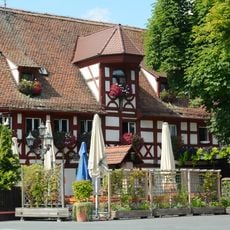
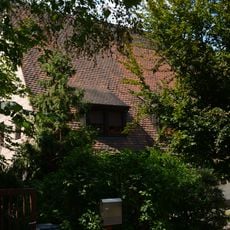
Gebersdorf, Statistical district in southwest Nuremberg, Germany.
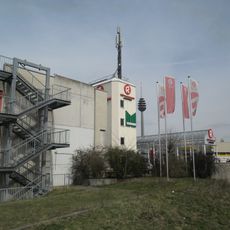
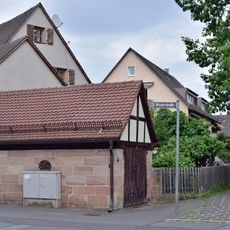
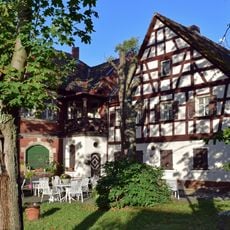
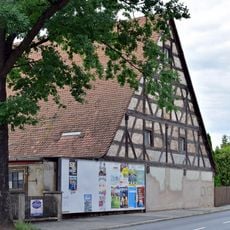
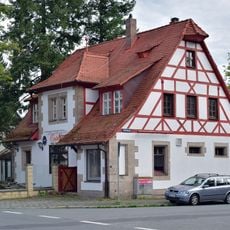
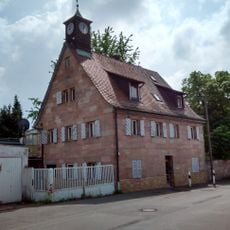
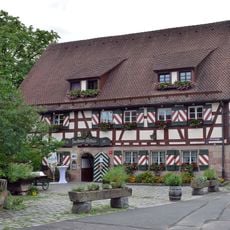
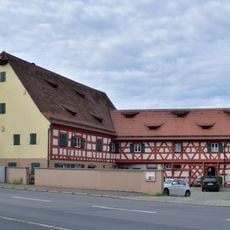
Gebersdorf is a district in southwest Nuremberg with residential neighborhoods, industrial facilities, and former military sites integrated into the city's administrative area. The area displays a mixed character where different land uses sit side by side.
In 1303 Nuremberg Burgrave Conrad II granted Gebersdorf, recorded as "Gerberstorf", together with eleven other villages to the Bamberg Cathedral chapter as an anniversary foundation. The village was burned down in both Margrave Wars (1449–1450 and 1552–1555) and lay in the theatre of the Thirty Years' War in 1632. Gebersdorf was incorporated into Nuremberg on 1 January 1899.
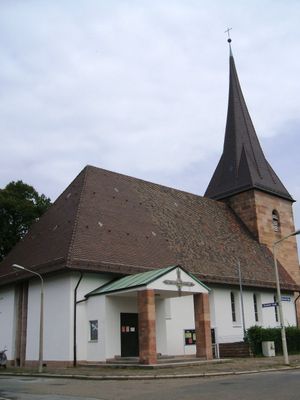
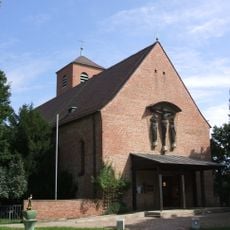
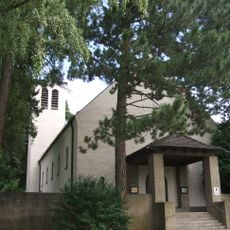
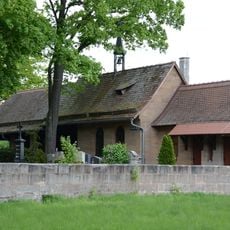
Gebersdorf has been shaped by Lutheranism since the Reformation; it was originally a parish of St. Johannes Baptist in Eibach, and St. Stephanus became the responsible parish in 1939. The Catholic Holy Cross Church was built in 1936/1937 to plans by Nuremberg architect Fritz Mayer and holds a winged altar by painter Bertl Kuch, whose husband Jobst Kuch painted the interior.
The district connects to surrounding areas through public transportation and road networks, making it accessible for passing through or visiting specific locations. Visitors should note that the area's character is shaped by industrial and residential functions, which helps with orientation.
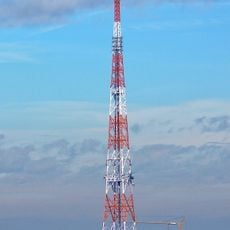
The district houses the Franken 1 power plant and the central railway converter station that supply electricity to the surrounding region. These technical installations are visible to visitors and demonstrate the industrial importance of the area for Nuremberg's infrastructure.
The community of curious travelers
AroundUs brings together thousands of curated places, local tips, and hidden gems, enriched daily by 92,993 contributors worldwide.