City Museum Bautzen, Regional museum in Bautzen, Germany
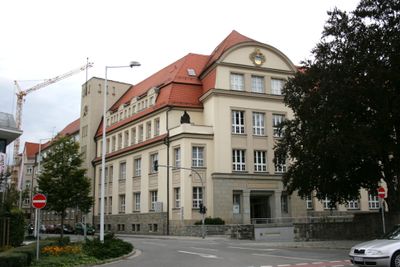
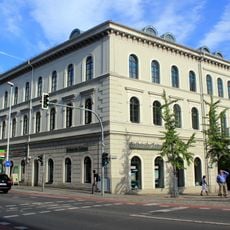
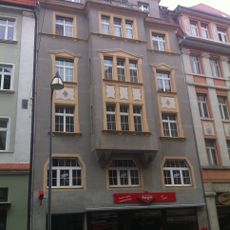
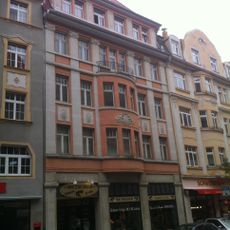
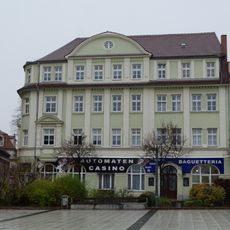
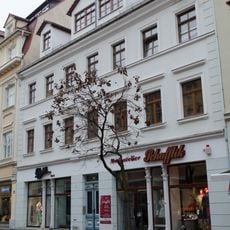
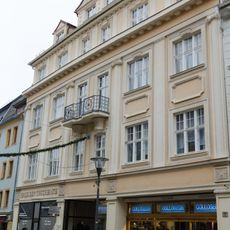
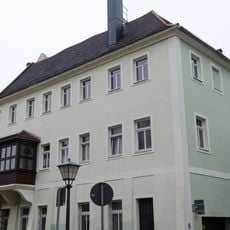
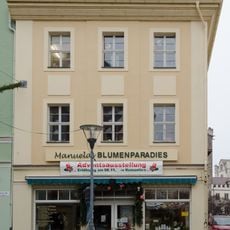
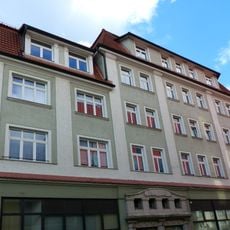
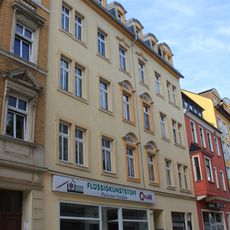
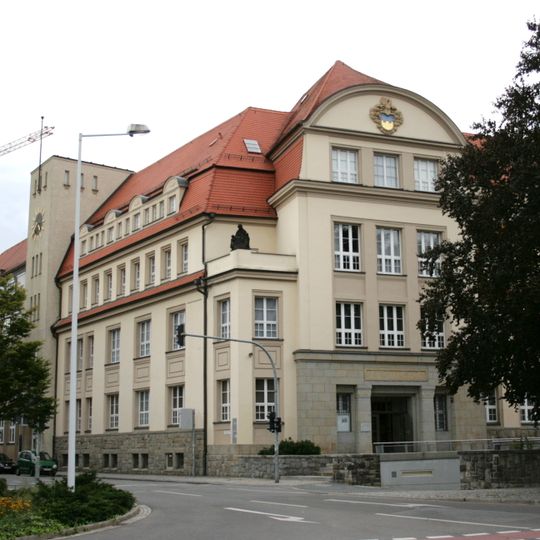
The City Museum Bautzen is located in a substantial building complex on Kornmarkt that brings together collections spanning from ancient times to contemporary periods. The exhibitions display archaeological finds and artworks from the Upper Lusatian region, arranged across multiple spaces within the museum.
The museum opened in 1869 as the "Alterthumsmuseum der Stadt Bautzen" in a room of the old Bürgerschule on the Wendischer Graben, after the bookseller Oskar Roesger donated his collection and the Gewerbeverein petitioned the city council in 1868. Growing holdings forced moves to Lauenstraße 10 in 1880 and the rebuilt Gewandhaus in 1884. Otto Weigang's 1906 gift of about 200 paintings and money funded the new building opened in 1912 at the Kornmarkt. In 1937 the Nazis seized 25 works as "degenerate art", and in April 1945 the building was damaged and holdings looted at their Leisnig storage site.
The museum's name has a Sorbian form, Muzej Budyšin, reflecting the bilingual Upper Lusatia region. Its permanent display is divided into three areas: region, city of Bautzen and art. The art gallery began with 119 paintings bequeathed in 1867 by Dresden painter and copyist Emilie Henriette Therese aus dem Winckell.
The museum is located in the town center and easily accessible on foot when visiting Bautzen. Groups interested in the collections can arrange guided visits in advance to gain deeper insight into specific themes.
The museum's prehistoric collection holds over 200,000 finds from the Palaeolithic to the early Middle Ages, including the Birkau hoard. This breadth and preservation make it one of the most important collections of its kind in Upper Lusatia.
The community of curious travelers
AroundUs brings together thousands of curated places, local tips, and hidden gems, enriched daily by 94,637 contributors worldwide.