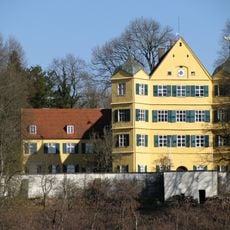
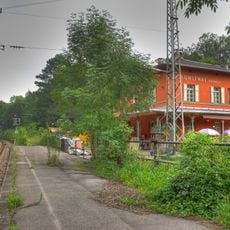
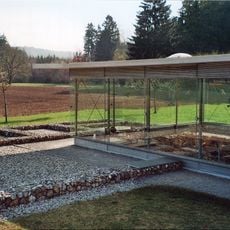
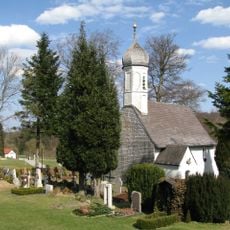
Leutstettener Moos, Nature reserve in Leutstetten, Starnberg, Germany
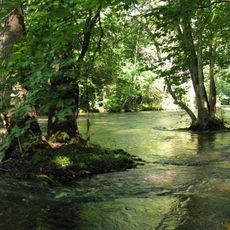
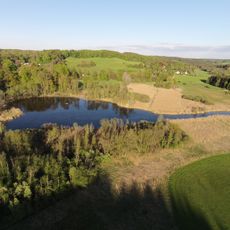
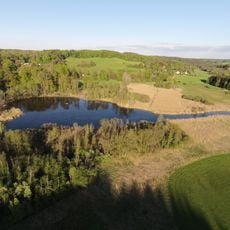
Leutstettener Moos is a protected nature reserve near Starnberg that combines various landscape types including wetlands, forests, and open water areas. The Würm River flows through these sections and creates a richly structured natural landscape along the northern shore of Lake Starnberg.
The landscape formed during the last ice age when glaciers left clay deposits that became the foundation for present-day bog formation. These geological processes shaped the basin structure where water and vegetation settled over thousands of years.
Pollen analysis of the peat shows farming in the upper Würm valley since around 4000 BC, with no break in settlement since the Neolithic. The former litter meadows are mown every one to three years to keep open habitat for orchids and butterfly food plants. Local legends tell of a ghostly black poodle with glowing eyes on the old Starnberg–Percha bridge and of a "Mooskuh" bellowing in the swamp.
The reserve has no visitor facilities; an honorary warden from the local Bund Naturschutz oversees it. The Würm widens into the open water of Goldsee, Galgensee and Truhensee, and the old arm Alte Würm was cut off by a roughly 500 m channel before protection. The inflow in the south is disturbed by embankments of the A952, lowering the water table locally.
The area contains several small lakes including Goldsee and Galgensee that are connected by the Würm's meandering course. These water bodies form an important part of the ecosystem and create different vantage points for visitors.
The community of curious travelers
AroundUs brings together thousands of curated places, local tips, and hidden gems, enriched daily by 92,836 contributors worldwide.