Max Planck Institute of Geoanthropology, Scientific research institute in Jena, Germany
The Max Planck Institute of Geoanthropology is a research center in Jena that studies human history and how societies have interacted with Earth's systems. It combines findings from archaeology, linguistics, and environmental science in its investigations.
The institute was founded in 1993 as an economics-focused institution before shifting its research direction toward human history. In 2022, it adopted its current name to reflect its focus on how humans have shaped and been shaped by the Earth.
Visitors can observe researchers studying traces of human settlements and how societies adapted to their surroundings over time. The work here connects archaeological discoveries with modern analysis to show the relationship between people and their environment.
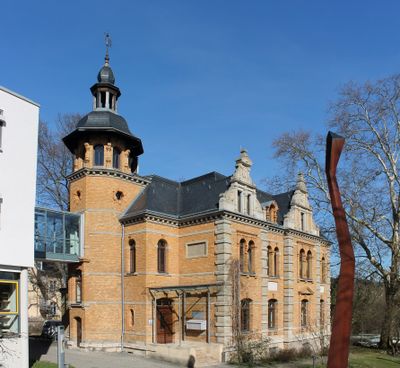
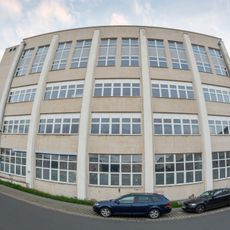
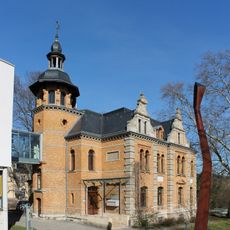
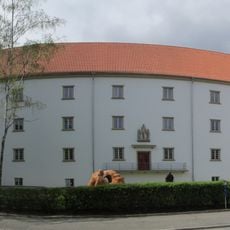
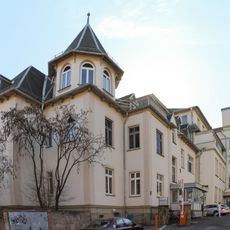
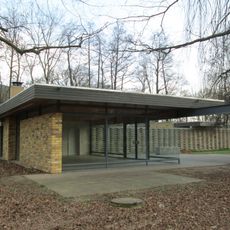
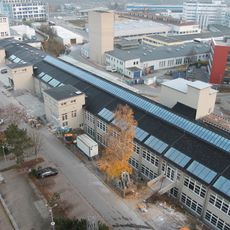
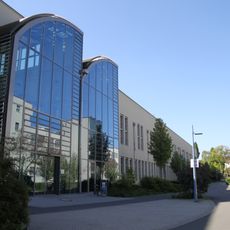
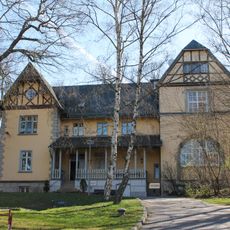
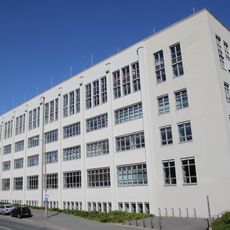
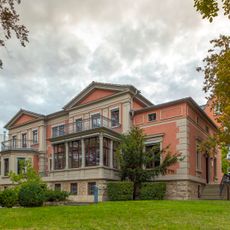
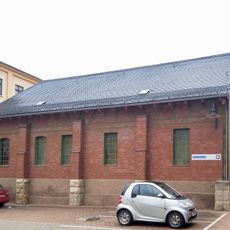
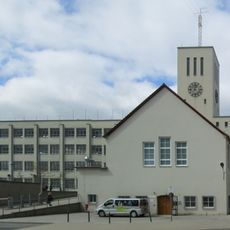
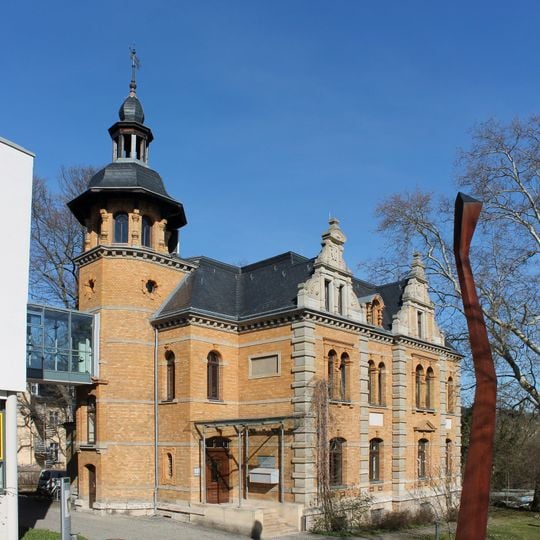
The building is located on Kahlaische Strasse in Jena and features a Victorian villa connected to modern research spaces through a glass bridge. Visitors should check opening times in advance, as the institute is not always open to the public.
The institute maintains Glottolog, a large database of languages from around the world that linguists can access freely. This collection reveals how languages relate to each other and shows the linguistic diversity of human societies.
The community of curious travelers
AroundUs brings together thousands of curated places, local tips, and hidden gems, enriched daily by 92,816 contributors worldwide.