Kapuzinerkloster St. Sebastian, Augsburg, Romanesque Revival monastery and church in Augsburg, Germany
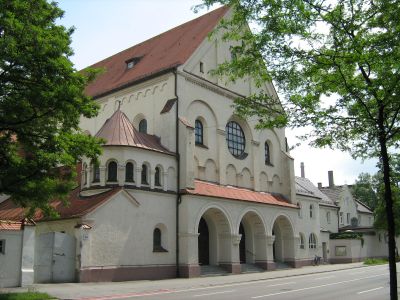
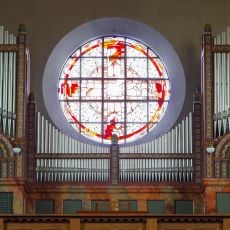
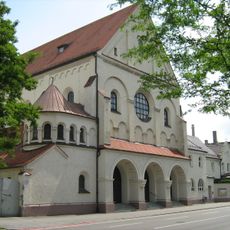
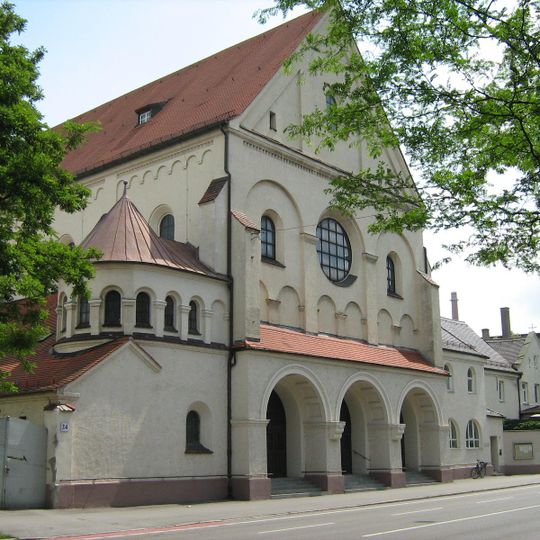
Kapuzinerkloster St. Sebastian is a monastery with church in Augsburg, constructed between 1906 and 1907 in Romanesque Revival style. The building features three naves, a recessed choir, and a roof turret, together creating a cohesive example of early 20th-century religious architecture.
An earlier chapel at this site was built by Elias Holl between 1611 and 1612 but was destroyed by Swedish forces in 1632 during the Thirty Years War. The present monastery building was constructed two centuries later as a new structure on the same location.
The chapel is named after Saint Sebastian, venerated in Christian tradition as a protector against plague and disease. Visitors can see a life-sized Madonna sculpture by Hans Degler inside the church and experience the solemn atmosphere during Slavic-Byzantine services.
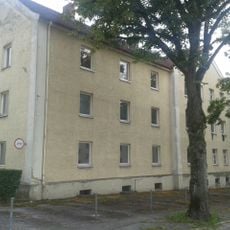
The church today serves the St. Georg parish and the Croatian community, which conducts monthly services in the Slavic-Byzantine rite. Visitors should note that the monastery grounds are enclosed on three sides by MAN factory buildings and are accessible only from Sebastian Street.
The church houses relics of Saint Wolfhard and Saint Lucius, which hold special significance for pilgrims and the faithful. These sacred objects make the place a religious destination that extends beyond its architectural importance.
The community of curious travelers
AroundUs brings together thousands of curated places, local tips, and hidden gems, enriched daily by 91,531 contributors worldwide.