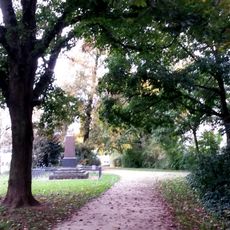
Rubber Island, Residential estate in Giessen, Germany
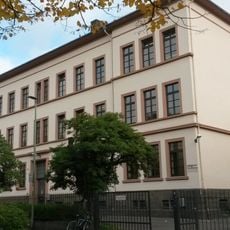
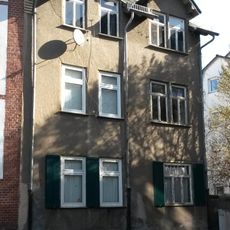
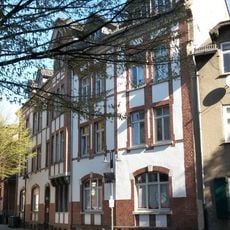
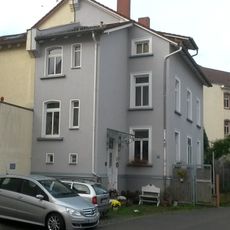
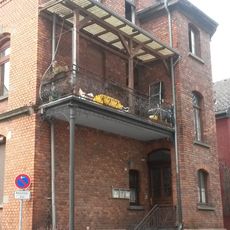
Rubber Island (Gummiinsel) is a residential estate in the west of Giessen, on the far side of the Lahn. It consists of small two-storey red brick houses without basements, each with a small front garden, built 1932–1939; later some were renovated, some demolished and replaced by high-rise social housing. Its layout still sets it apart from the rest of the western city.
The estate was built between 1932 and 1939 as part of Nazi settlement policy, which relocated urban groups into organised suburban communities. Its small two-storey red brick houses without basements served as emergency quarters, mainly for families of Yenish traders, showmen, scrap merchants and descendants of regional Sinti families. Later the houses were renovated, some demolished and replaced by high-rise social housing, and the area was extended into the western part of the city.
The name comes from the nearby rubber factory Poppe & Co. and from Lahn floods; residents long called the quarter disparagingly "Gummiinsel". Until the 1980s many locals spoke Manisch, a Romani-based secret sociolect, now surviving only in relics. The ZDF reportage "Deutsche Desperados" (1998) filmed here but was rejected by residents as misrepresenting them.
The estate lies across the Lahn from the rest of Giessen, so approach it from the western side of the river; its red-brick houses and later high-rises are best seen on foot along the residential streets. There are no guided tours or visitor facilities, and the area is lived in, so keep to public paths and respect residents' privacy.
The estate's nickname comes from the nearby Poppe & Co. rubber factory and from flooding by the Lahn, not from rubber used in construction. Until the 1980s residents spoke Manisch, a sociolect based on Romani, now surviving only in relics.
The community of curious travelers
AroundUs brings together thousands of curated places, local tips, and hidden gems, enriched daily by 93,173 contributors worldwide.