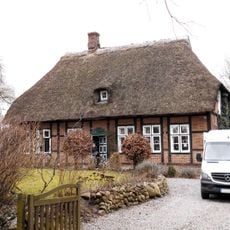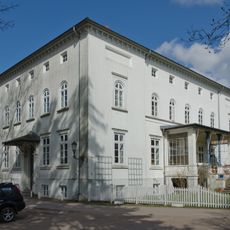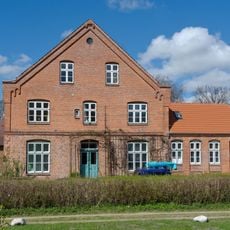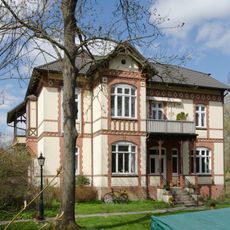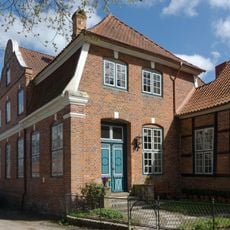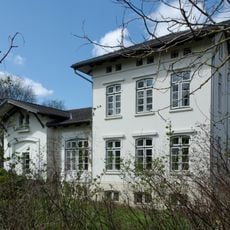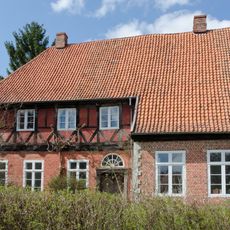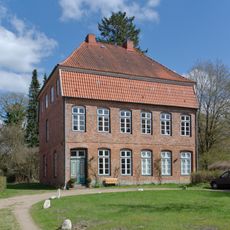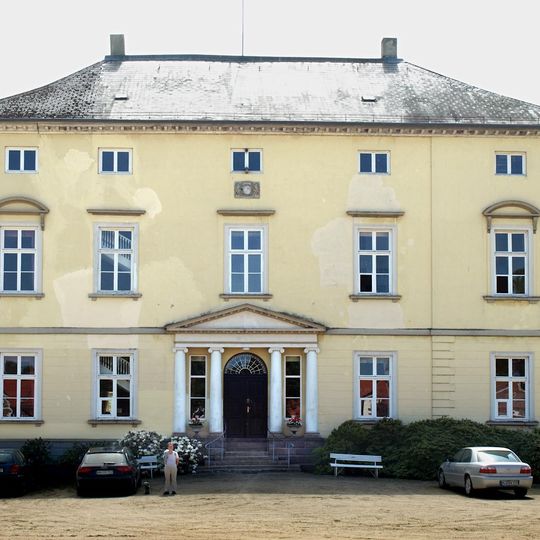
Gut Rastorf, Cultural heritage ensemble in Rastorf, Germany.
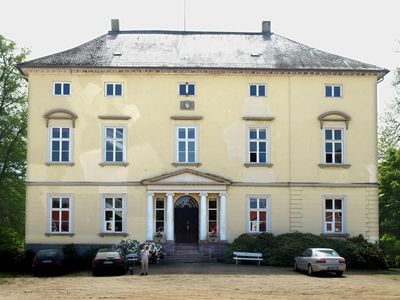
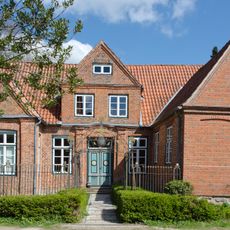
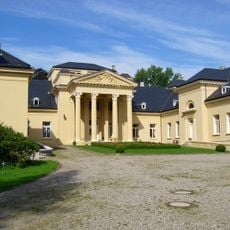
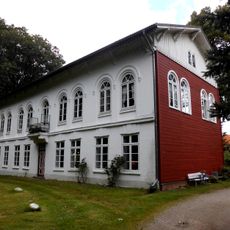
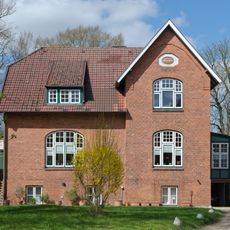
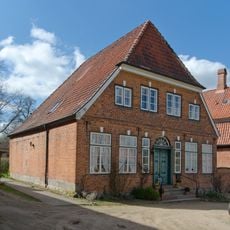
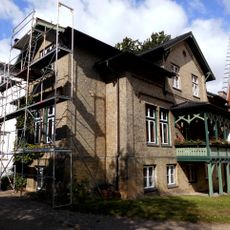
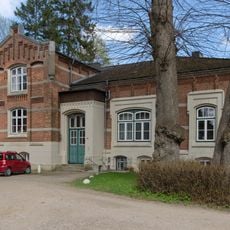
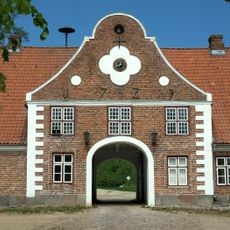
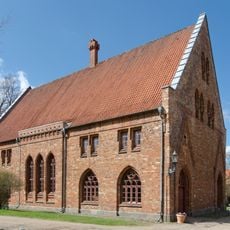
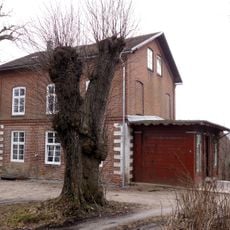
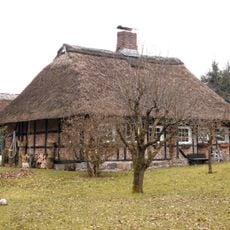
Gut Rastorf is an 18th-century estate complex in Schleswig-Holstein featuring symmetrically arranged baroque and early classicist buildings set around a central courtyard. The main manor house, smaller cavalier house, and farm structures form a cohesive architectural group within a landscaped setting.
The estate was built between 1723 and 1729 by architect Rudolf Matthias Dallin, replacing a medieval water castle that served as a regional border fortification. This shift from military to residential use marks an important change in the area's development.
The place reflects how rural nobility organized their lives and estates across northern Germany, visible in how buildings connect to the surrounding landscape. The arrangement of structures around the courtyard shows the hierarchy between residence, support buildings, and working spaces that defined aristocratic estates.
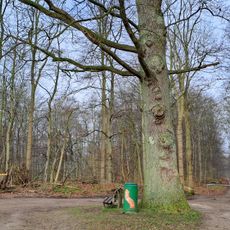
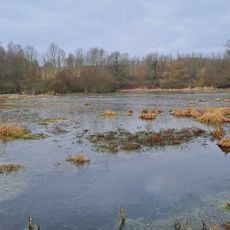
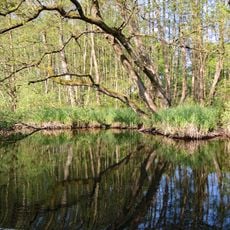
The grounds can be explored using marked pathways that connect the main buildings and surrounding landscape. A leisurely walk through the park allows time to observe architectural details and understand how the different spaces relate to one another.
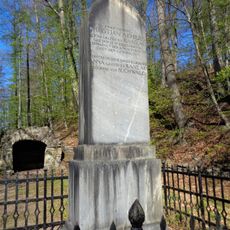
A memorial stone carved from Norwegian marble by Danish sculptor Johannes Wiedewelt stands in the park, honoring a member of the Rantzau family. This work links the estate's story to the artistic traditions of northern Europe.
The community of curious travelers
AroundUs brings together thousands of curated places, local tips, and hidden gems, enriched daily by 90,830 contributors worldwide.