Gut Riensberg, Historical villa with park in Schwachhausen, Germany
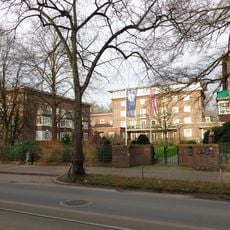
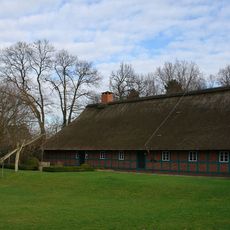
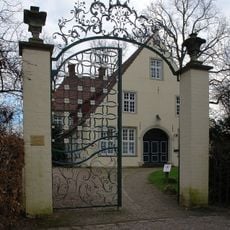
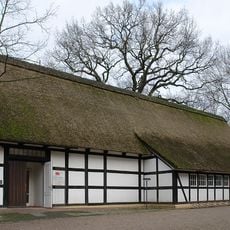
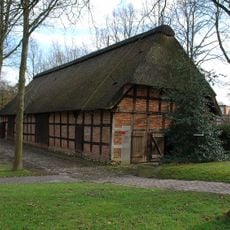
Gut Riensberg is a T-shaped manor house at Schwachhauser Heerstraße 240, formed by a single-storey raised Niedersachsenhaus with its Grote Dör and a two-storey classical summer house added in 1768 with a hipped roof. Four linden trees stand before the 20-metre garden facade, and parts of the former moat remain in the park.
The estate originated in the 12th century under Archbishop Friedrich during the settlement of Hollerland and received its first written mention in 1213. Over the centuries it evolved from a country residence into a museum that now preserves Bremen's cultural heritage.
The estate's name probably derives from a rise (Berg) at a field boundary (Rain), or from the Gete stream that once flowed past it. The house has been the seat of the Focke-Museum since 1953, and its rooms hold Bremen domestic culture, including a young woman's room by Heinrich Vogeler, European glass art and a children's museum with a toy collection.
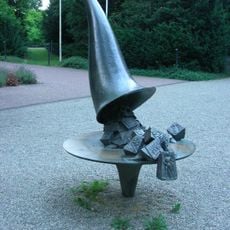
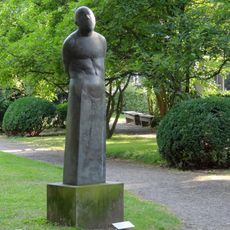
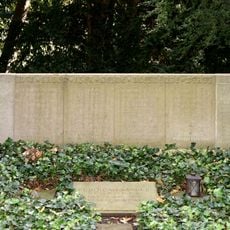
Gut Riensberg stands at Schwachhauser Heerstraße 240, beside the Riensberger Friedhof laid out on its former fields between 1873 and 1875. The house is now the Focke-Museum, Bremen's state museum of art and cultural history, which moved here in 1953. The park holds the bronze Großer Hephaistos II (1991) by Waldemar Otto, donated by the Stadtwerke Bremen.
The Franzosentor is a Rococo wrought-iron gate with scrollwork and floral ornament, probably made by Heinrich Rabba around 1760 for merchant Johann Abraham Retberg's Gut Wolfskuhle in Kattenturm. Its name comes from the former grille beside it, for which gun barrels were used that French soldiers left behind in Bremen in 1758 during the Seven Years' War.
The community of curious travelers
AroundUs brings together thousands of curated places, local tips, and hidden gems, enriched daily by 94,145 contributors worldwide.