Hauptgestüt Graditz, Horse stud farm and cultural heritage monument in Graditz, Germany.
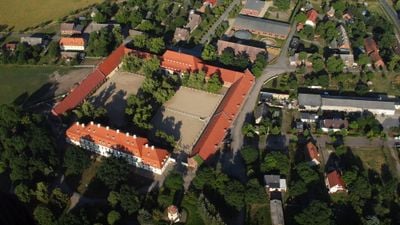
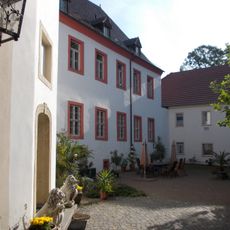
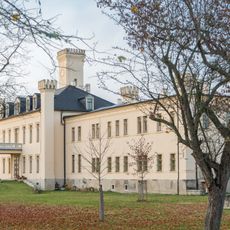
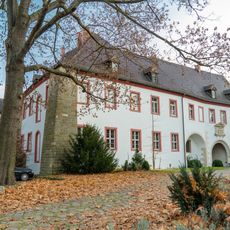
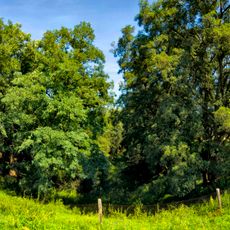
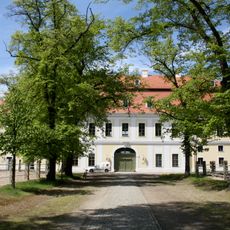
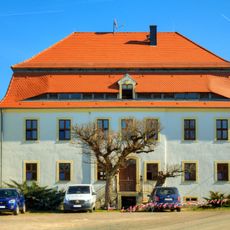
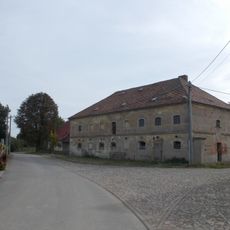
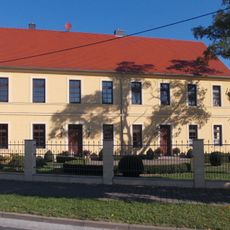
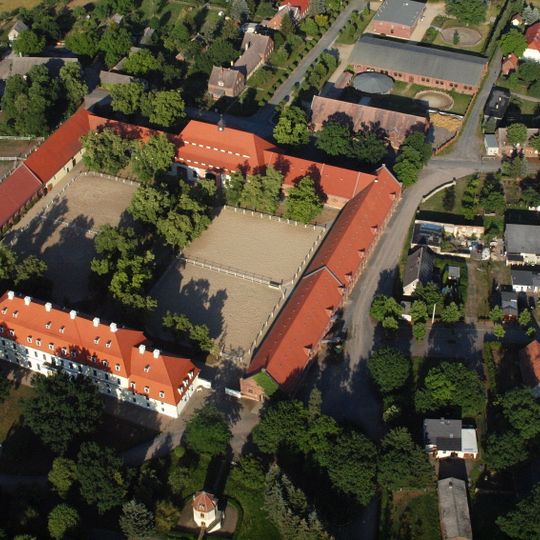
Hauptgestüt Graditz is a horse stud and cultural monument near Torgau, laid out across expansive grounds with baroque-style buildings. The complex features working stables, riding grounds, and administrative structures arranged within a landscape of open grassland.
Kurfürst Johann Georg III founded the electoral Saxon court stud at Graditz in 1686, one of five Torgau breeding sites. August the Strong took it over in 1694 and in 1721 merged Saxon studs there, commissioning Daniel Pöppelmann to build the new complex. After the Napoleonic Wars it became a royal Prussian main stud in 1816; from 1866 Georg von Lehndorff centralized English thoroughbreds at Graditz. Twelve Graditz horses won the German Derby up to 1945.
Graditz horses appear in Theodor Fontane's novels: in Effi Briest Geert von Innstetten drives a team of isabell-coloured Graditz horses, and in Irrungen, Wirrungen Botho von Rienäcker wins a Graditz black mare at play. The stud's name comes from the village of Graditz, now part of Torgau, where the Saxon court stables were set up.
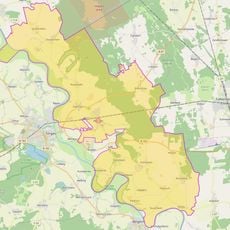
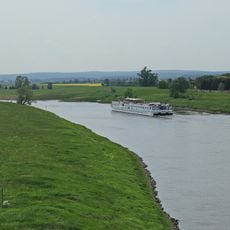
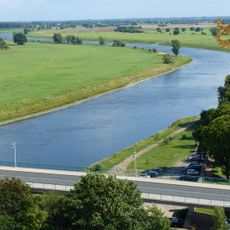
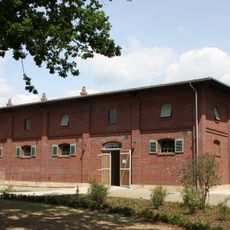
The stud farm is a working breeding operation, not a museum, so visits depend on guided tours arranged in advance. The grounds lie in Graditz, a district of Torgau on the Elbe. The pension horse stable and the gatehouse were extensively renovated in 2006/07, raising capacity for guest horses kept for training and insemination.
Graditz horses appear in Theodor Fontane's novels: in Effi Briest, Geert von Innstetten drives a carriage with isabell-coloured Graditz horses, and in Irrungen, Wirrungen Botho von Rienäcker wins a Graditz black mare at play. Twelve Graditz thoroughbreds won the German Derby up to 1945.
The community of curious travelers
AroundUs brings together thousands of curated places, local tips, and hidden gems, enriched daily by 93,870 contributors worldwide.