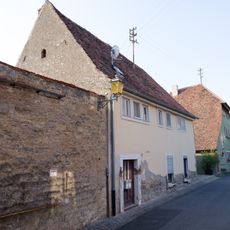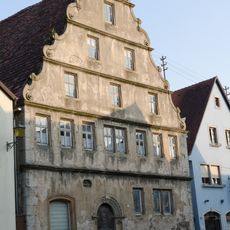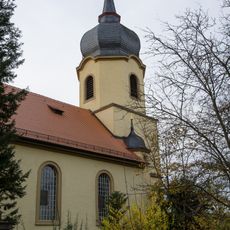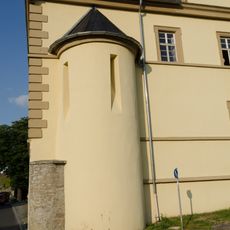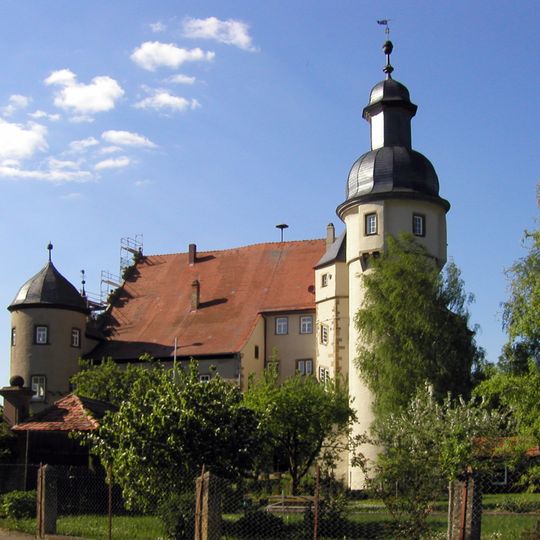
Schloss Waldmannshofen, Former water castle in Creglingen, Germany
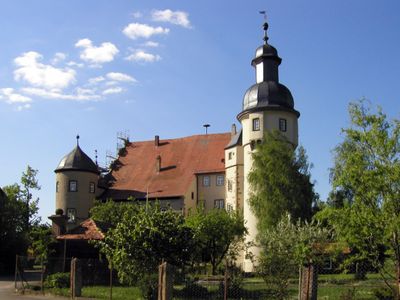
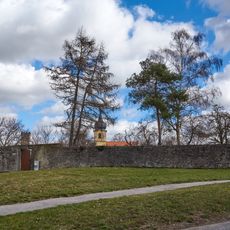
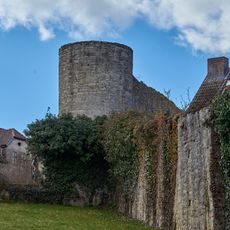
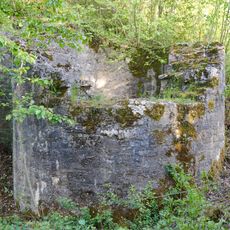
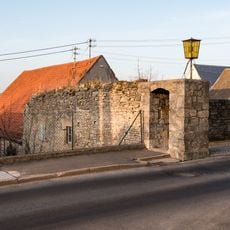
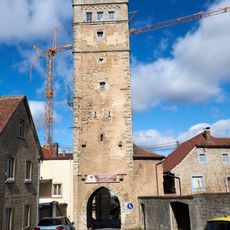
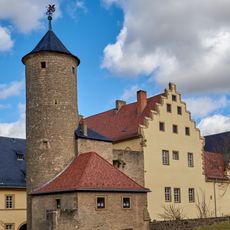
Schloss Waldmannshofen is a former water castle built from 1544 to 1548 on the northern edge of Waldmannshofen, in Creglingen, on the site of a late medieval castle blown up in 1523. Its most unusual element is the free-standing Great Tower, reached from the residential wing by a passage; it has no arrow slits and no dungeons, so its purpose remains unexplained. The grounds have housed a fire brigade museum since the 1950s.
Kunz von Rosenberg, allied with the robber baron Hans Thomas von Absberg, had his castle blown up by the Swabian League on 23 June 1523. He rebuilt it as a water castle between 1544 and 1548. After the Rosenberg line died out, Brandenburg-Ansbach enfeoffed Field Marshal Count Melchior von Hatzfeldt, who expanded it into a Renaissance castle with Baroque elements. His family remained lords of Waldmannshofen for 249 years, until 1886.
The name Waldmannshofen is first recorded in 1408, when the estate was divided between Hans and Fritz Truchseß von Baldersheim. The Rosenberg family held the castle from 1421; Konrad von Rosenberg's support for the robber knight Hans Thomas von Absberg led the Swabian League to blow up the castle on 23 June 1523. The Hatzfeldt family remained lords of the manor for 249 years, until 1886.
The museum is accessible during regular opening hours and offers visitors straightforward access to exhibits about firefighting history. The grounds are easy to explore on foot, and information boards help guide visitors through the different areas.
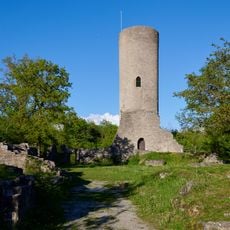
The Great Tower stands apart from the residential wing and is reached by a connecting passage. Its purpose remains unexplained: it lacks the loopholes of a keep and the dungeons or interrogation rooms of a court tower. The Hatzfeldt family, enfeoffed by Brandenburg-Ansbach, remained lords of Waldmannshofen for 249 years, until 1886.
The community of curious travelers
AroundUs brings together thousands of curated places, local tips, and hidden gems, enriched daily by 93,931 contributors worldwide.