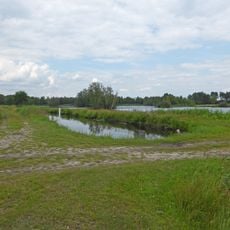
Heiliger Hain, Nature reserve in Wahrenholz, Germany.
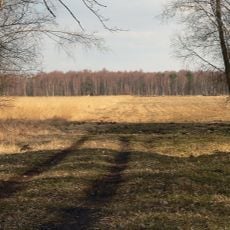
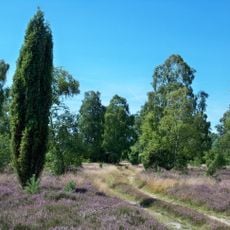
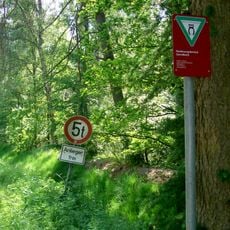
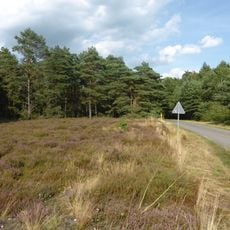
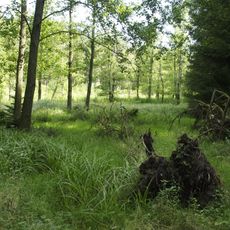
Heiliger Hain is a protected nature reserve with heathland, moorland sections, and juniper vegetation in Lower Saxony. The landscape is crisscrossed by sandy paths and divided into several distinct areas with varying plant life.
The site was placed under protection in 1913 to preserve traditional sheep grazing and prevent agricultural change. These early conservation efforts established the foundation for this nature reserve as it exists today.
The name Heiliger Hain was proposed by a Hamburg painter, echoing a landscape painting by Swiss artist Arnold Böcklin, and was adopted over the traditional field name Garskrempel. Writer Hermann Löns, inspired by the heath for his story "Der Quellbrink", fought unsuccessfully to keep the historical name. A memorial stone placed in the north of the reserve in 1984 honours Löns, who stayed in nearby Wahrenholz for two months in 1912.
Multiple hiking trails allow you to explore the reserve, with the best time to visit being the heather blooming season. Orientation along the well-marked paths is straightforward, and guided tours can be arranged upon request.
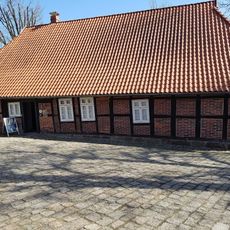
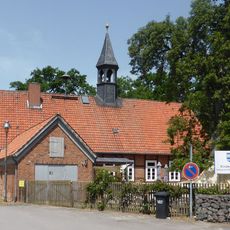
The only building inside the reserve is a sheep barn from the 17th century, used until the 1950s and now a listed monument. A memorial stone placed in the north in 1984 commemorates the heath poet Hermann Löns, who stayed in Wahrenholz for two months in 1912.
The community of curious travelers
AroundUs brings together thousands of curated places, local tips, and hidden gems, enriched daily by 93,697 contributors worldwide.